Plants or Crops

SDSU Welcomes Ali Nafchi to Precision Agriculture Team
July 09, 2021
The South Dakota State University Department of Agronomy, Horticulture and Plant Science, along with SDSU Extension, has named Dr. Ali M. Nafchi to serve as an Assistant Professor and Extension Specialist in Precision Agriculture.
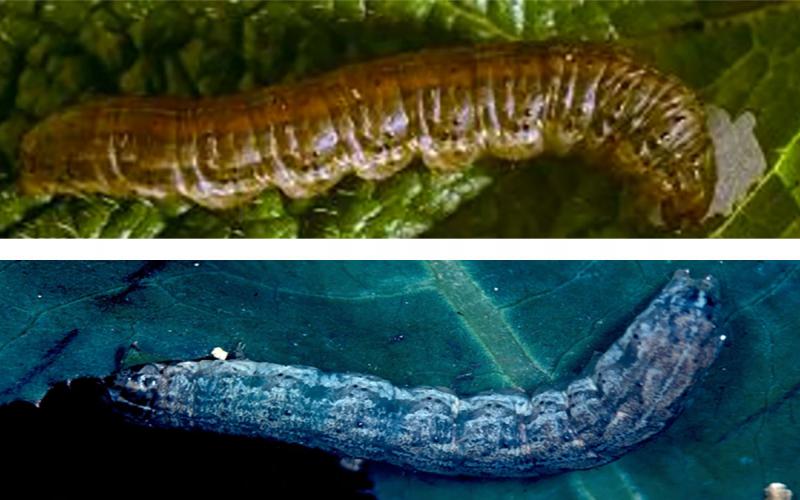
Cutworms in Sunflowers
In South Dakota, some late-planted sunflower fields are having some cutworm pressure. Although most cutworm activity should be wrapped up by now, it is possible that some populations may have been feeding up until the beginning of July.
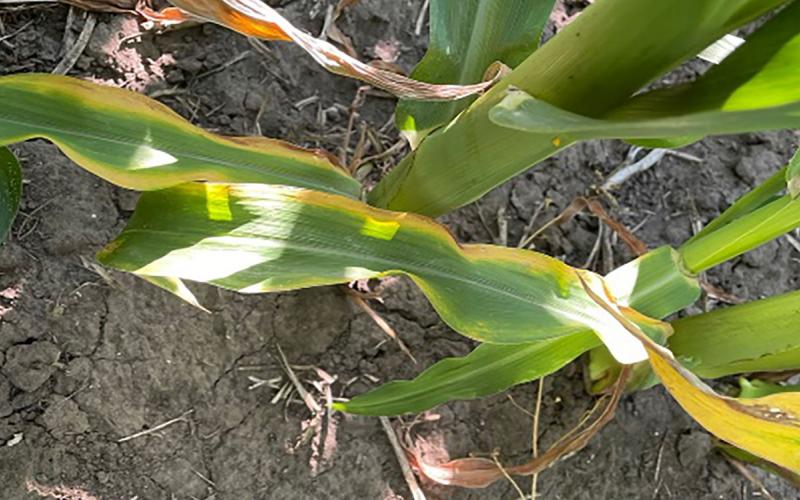
Corn Potassium and Drought
For many crop producers, potassium deficiency has become an increased concern, and this year’s drought conditions have resulted in potassium deficiency symptoms showing up in fields where it would normally not occur.
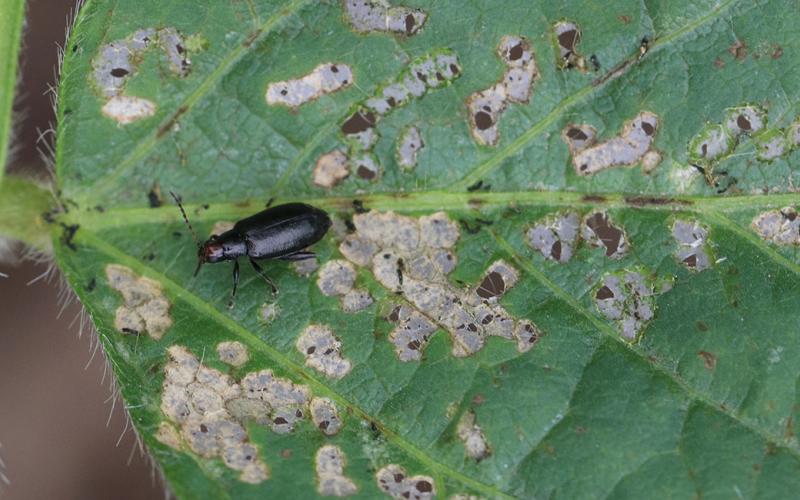
Redheaded Flea Beetles Active in Soybean
Redheaded flea beetles are active in soybean. Although they haven’t caused significant defoliation yet, their activity should be monitored.
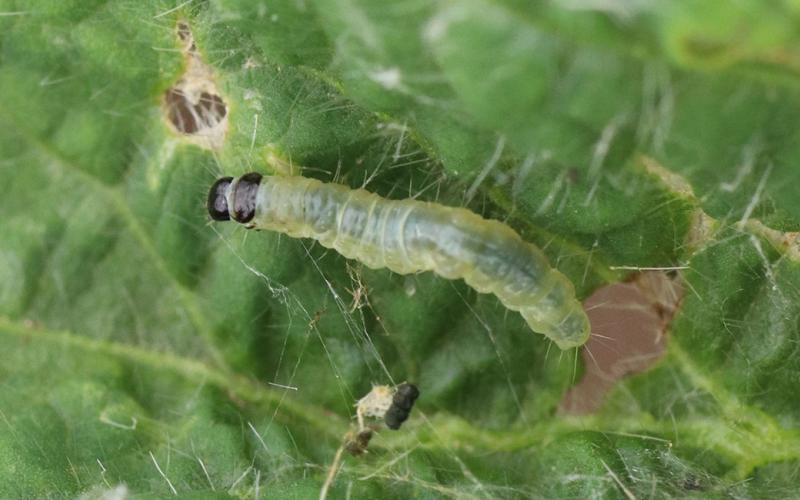
Obliquebanded Leafrollers Active in South Dakota Soybean
If you’ve observed rolled soybean leaves that are held together by webbing, don’t immediately think thistle caterpillar. The obliquebanded leafroller caterpillar will roll soybean leaves and hold the leaf in place with silken webbing.
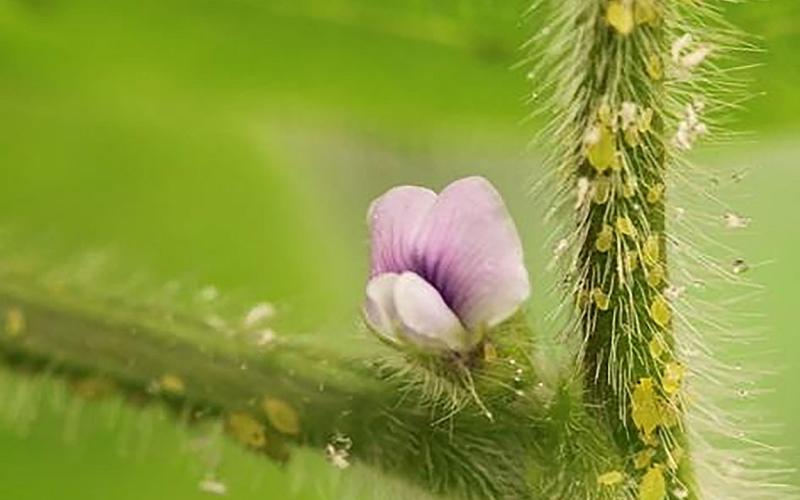
Soybean Aphids Spotted in South Dakota
Soybean aphid populations have been observed in South Dakota. Although these populations are still very small, it is a good reminder that soybean aphid scouting should occur throughout the growing season to prevent population outbreaks and yield loss.
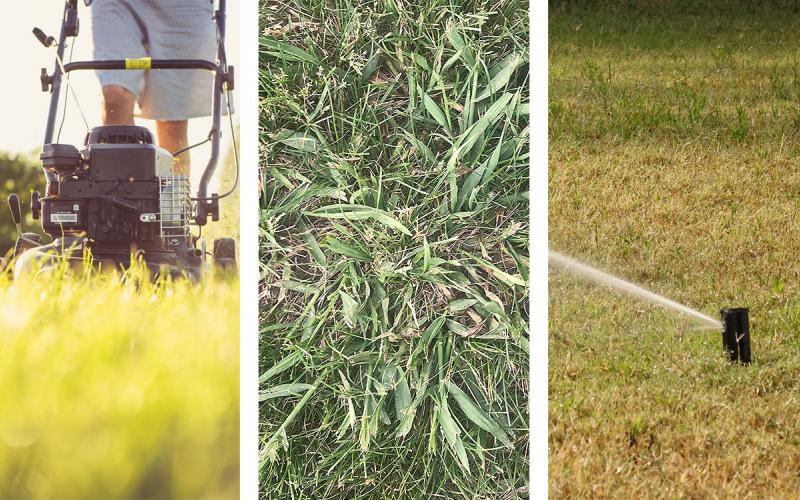
Summer Lawn Care: Mowing, Weed Control and Watering Practices
During a summer of drought, the extreme heat, lack of rainfall and invasion of pests can really take a toll on our turf. Learn some general concepts of summer lawn care and techniques to help your lawn through difficult summer months.
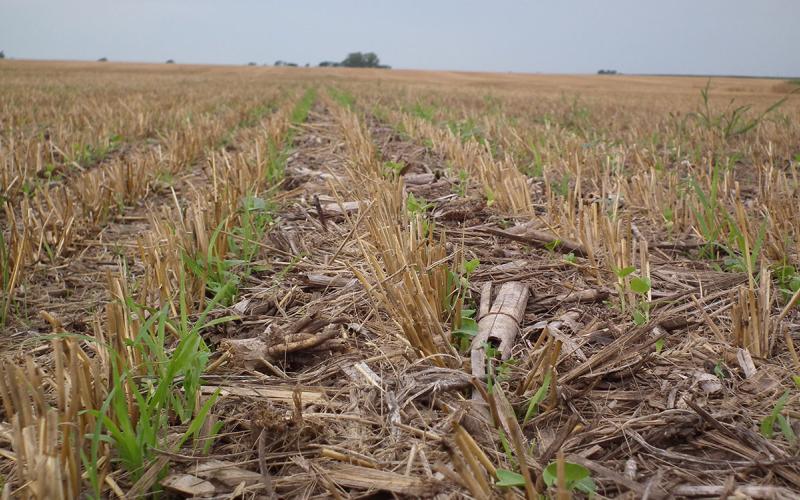
Do Cover Crops and Grazing Harm Soil Properties?
Fact sheet for a study that was conducted to compare short and long-term animal grazing on soil health and water properties at four locations in SD.
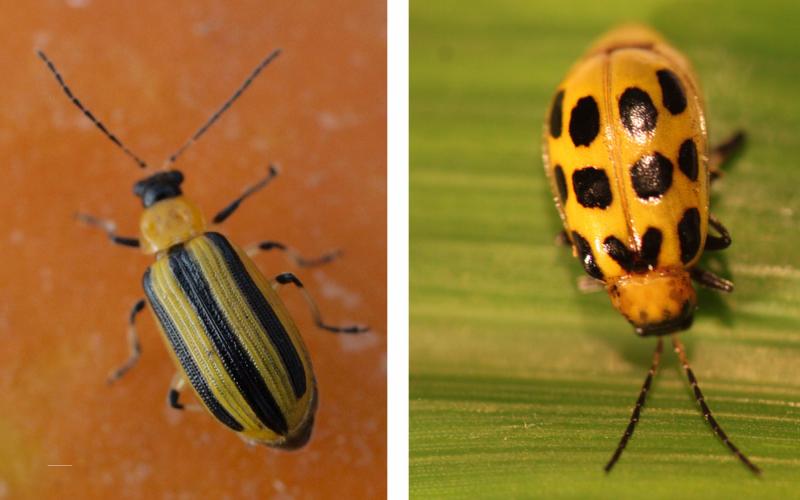
Start Scouting for Striped Cucumber Beetles
Striped cucumber beetles are showing up in gardens across South Dakota. If large populations are present in a garden, they can cause severe injury to squash, cucumbers, melons and other cucurbits if left unmanaged.

Smart to Lead SDSU Extension Agriculture and Natural Resources Program
July 06, 2021
South Dakota State University Extension has named Alexander “Sandy” Smart as the new Agriculture and Natural Resources Senior Program Leader.