Weather
All Weather Content
Dakotafest
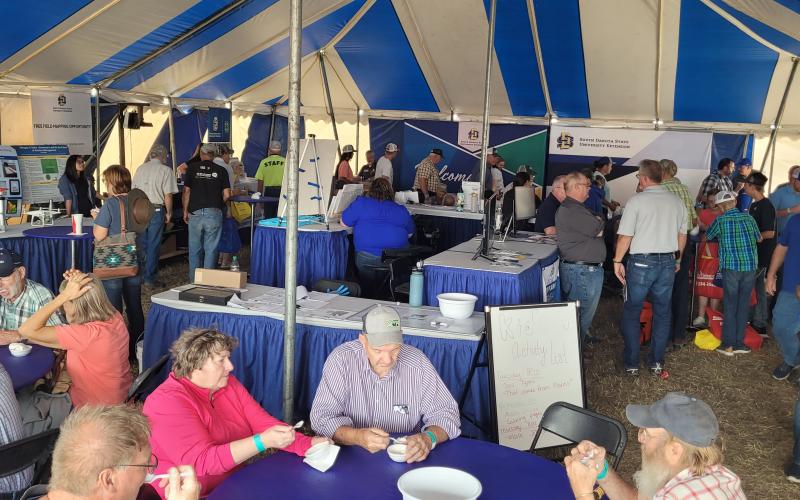
Stop by the SDSU Extension booth at Dakotafest to meet specialists, ask questions, get recommendations and learn about programming and events.
Climate and Weather
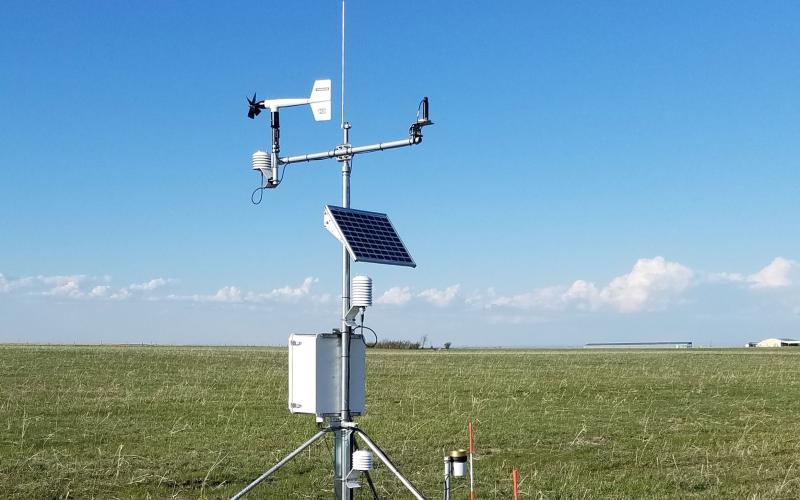
View resources to predict, prepare and recover from weather-related events year-round, including the latest drought and flood information.

Considerations for Pasture and Herd Health in a Mixed-Precipitation Year
Planning for drought can quickly be replaced with a false sense of security when precipitation does arrive in the middle of the growing and grazing seasons, but the long-term sustainability of your pastures and herd depends on timely, flexible management.
Heat Stress Forecasting Apps Available
Early summer heat stress in feedlot cattle is often triggered by rapid changes in temperature and humidity before cattle become acclimated to warmer conditions. Learn about some management tools that you can use to protect your herd.

Keeping Your Financial Records Secure
When a family emergency or disaster occurs, having quick access to important financial documents is essential.
Power Outages and Your Cold Foods
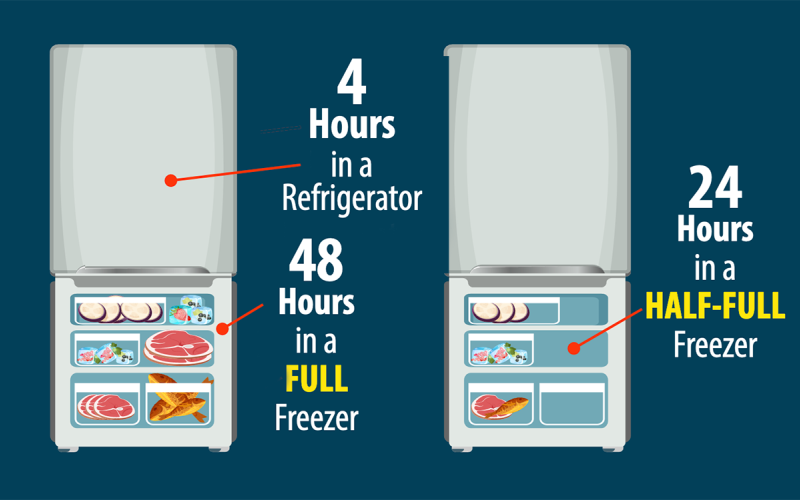
South Dakota is no stranger to power outages and power surges from weather events. Learn some key actions to take before, during and after power outages to keep your cold foods safe.
Climate and Drought Update: July 2026
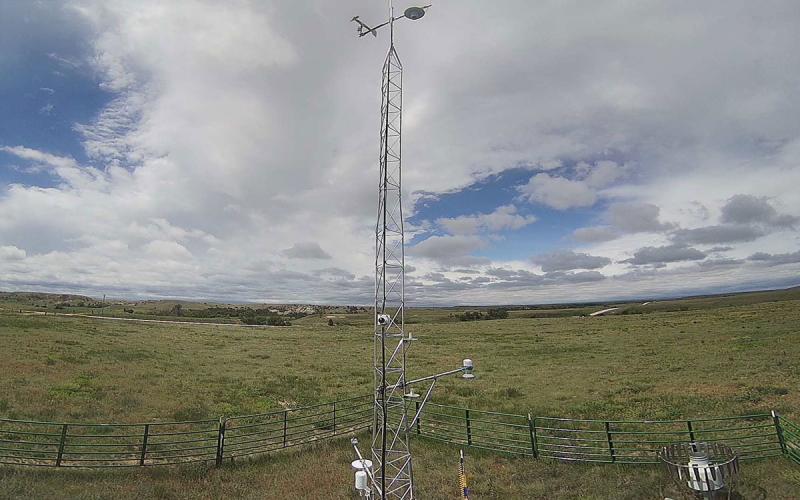
On June 18, 2026, NOAA’s Climate Prediction Center released their latest climate outlook for July and the coming three-month season through September.

Frost and Freeze Impacts on Plants
Farmers and gardeners often use the terms frost and freeze interchangeably, but the two are not the same. Understanding these differences, along with the ways frost and freeze impact spring planting, can help protect farms and gardens.
Drought Update: Mid-June 2026
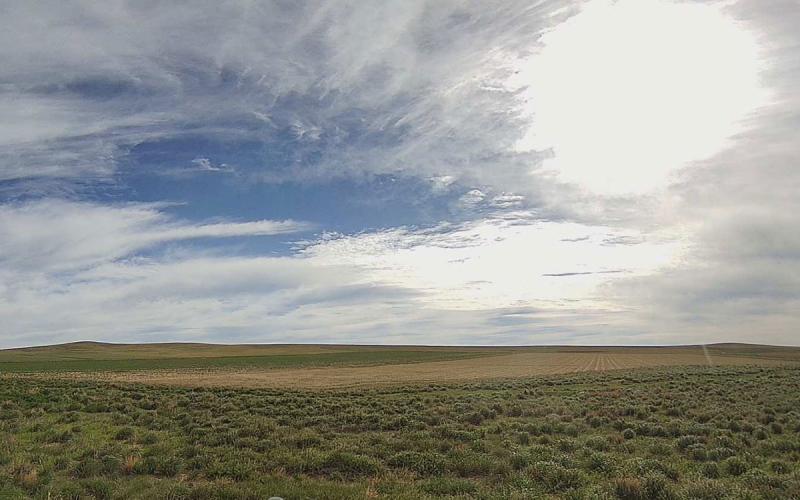
According to the June 11, 2026 U.S. Drought Monitor, 53% of South Dakota is currently in drought. These conditions are strongest primarily in the southern half of the state, impacting approximately 623,996 residents, or roughly two-thirds of the state’s population, highlighting the ongoing and expanding impact of drought across South Dakota.
2026 Growing Season: Forecasted dry weather and the implications on postemergence herbicide activity
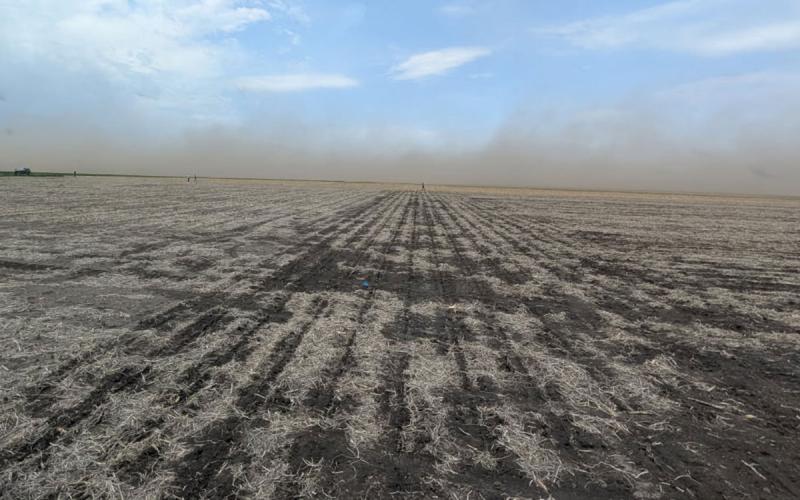
Weather cannot be controlled, but there are variables we can control to help increase the effectiveness of postemergence herbicides during drought conditions.