Soil Management

Proper Residue Management is Essential When Adopting No-Till Practices
Minimizing disturbance and keeping the soil covered are two of the soil health principles. One of the best ways to incorporate these principles is to adopt no-till. To be successful when adopting no-till, it starts when combining the crop from the prior year.
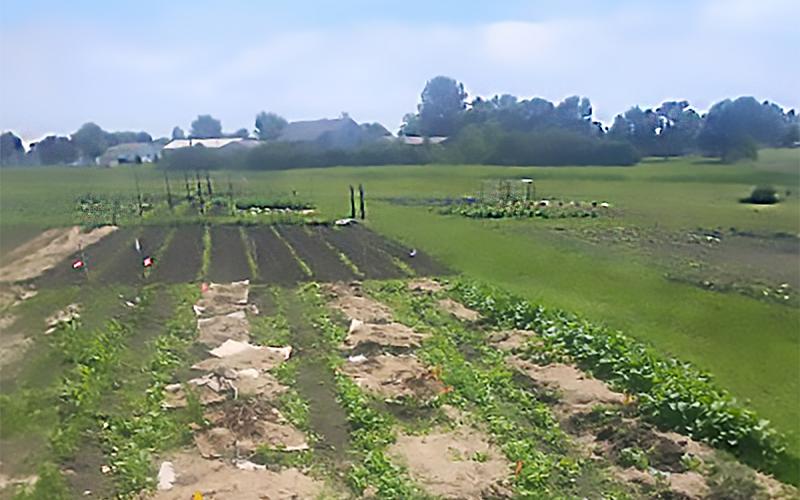
Community Garden Field Day @ Watertown
SDSU Extension will host a Community Garden Field Day on Thursday, August 6 from 6:00 to 8:00 p.m. CDT at the Foundation Field Community Garden (1800 3rd Ave. NW, Watertown, SD 57201).
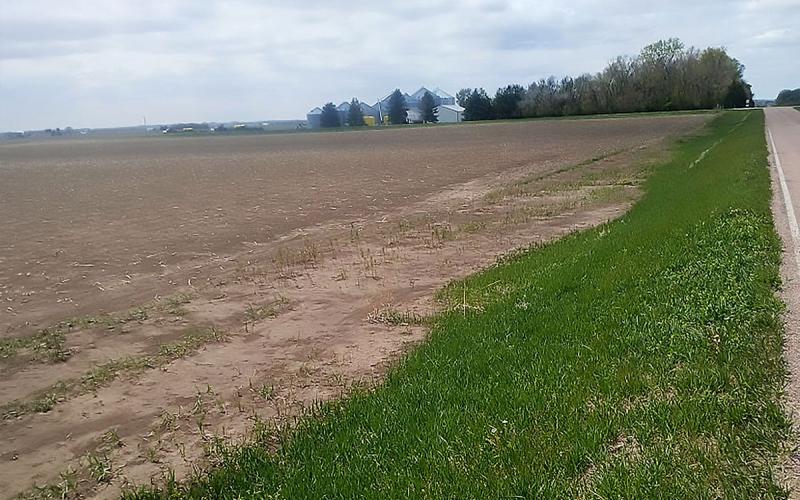
How to Maintain Soil Health During Dry Growing Conditions
Adopting soil health practices can help to reduce the loss of valuable topsoil by wind erosion during droughts. Learn how to manage your fields now or in the future to maintain soil health during periods of dry times.

The Economic Advantages of No-Till: Diesel Fuel
While no-till and conservation systems are often discussed for their soil health benefits, the economic advantages are becoming increasingly important in today’s farm economy, particularly when it comes to fuel costs.

Building Resilient Farms Amid Increasing Weather Variability
Recent decades have brought a noticeable increase in climate variability in South Dakota. Understanding these trends and adopting adaptive management practices can help producers strengthen the resilience of their operations.

Using Feedlot Manure to Reduce Crop Production Costs
Manure plays a key role in reducing system costs for integrated livestock-crops enterprises. Livestock waste can be a valuable source of crop nutrients when correctly managed.
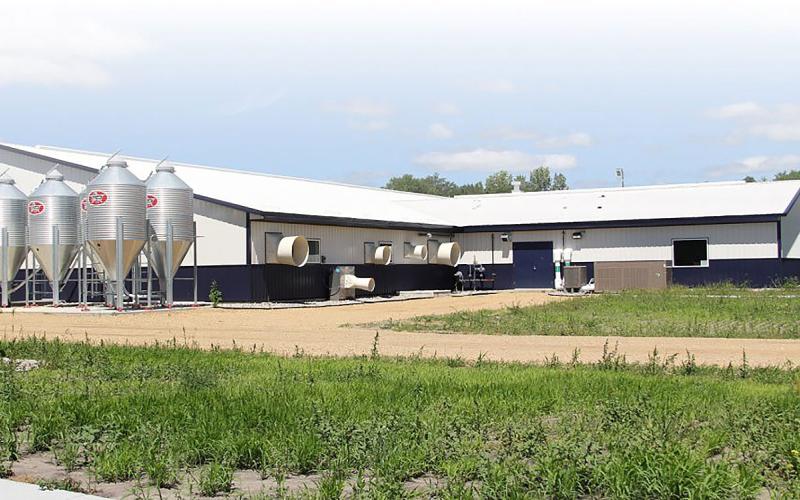
Impact of Swine Manure on Soil Organic Carbon
This fact sheet summarizes what research shows about how swine manure affects SOC and what that means for field-level decisions.
Best Practices for Swine Manure Application
This fact sheet summarizes research-based practices to help producers, consultants, and conservation professionals make practical decisions that protect both productivity and stewardship.
Using Swine Manure Phosphorus More Efficienlty in South Dakota Cropping Systems
This fact sheet explains how feeding strategies, especially the use of low-phytate corn and related diet adjustments, can reduce phosphorus excretion in swine manure.
Swine Manure and Nitrate Leaching
This fact sheet explains how nitrate leaching occurs, why swine manure increases risk under certain conditions, and what producers can do to keep nitrogen where crops can use it.