Soil Management
All Soil Management Content
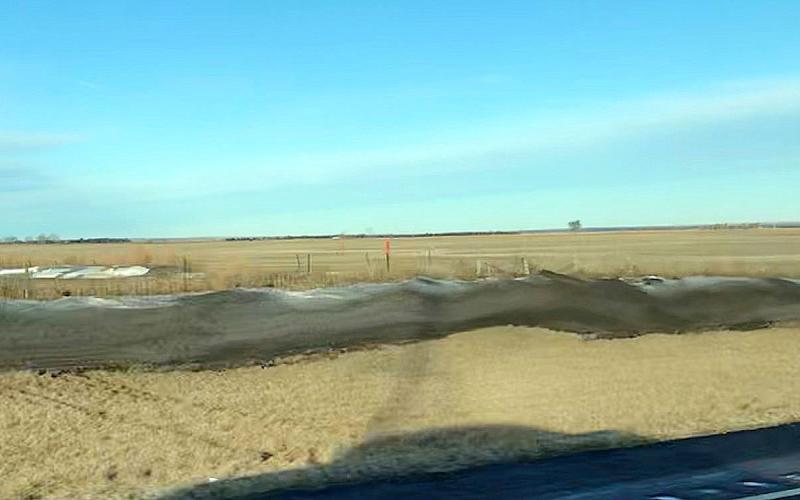
“Snirt” and How To Minimize It
Blowing soils, dust storms and “snirt” (snow with dirt on it) are frequent challenges during dry, windy winters. Learn some soil health principles to limit erosion and minimize snirt on field edges this planting season.
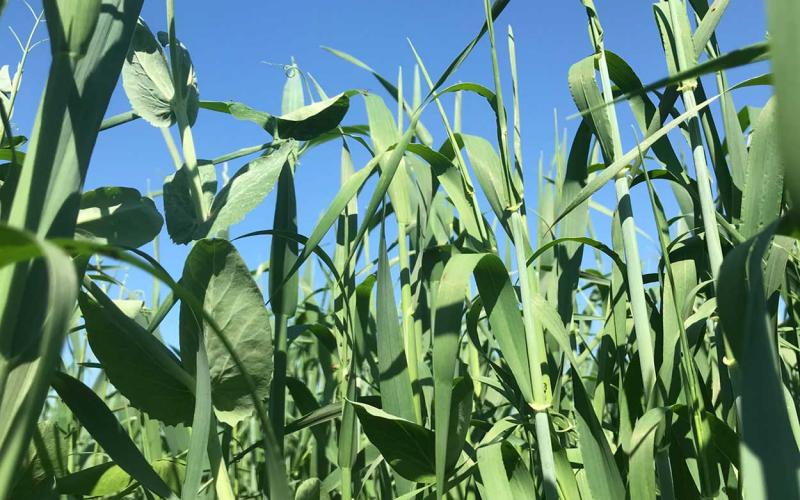
Cover Crop Considerations for 2020
Producers across South Dakota are harvesting small grains. These crops provide an excellent window for adding a cover crop into your rotation.
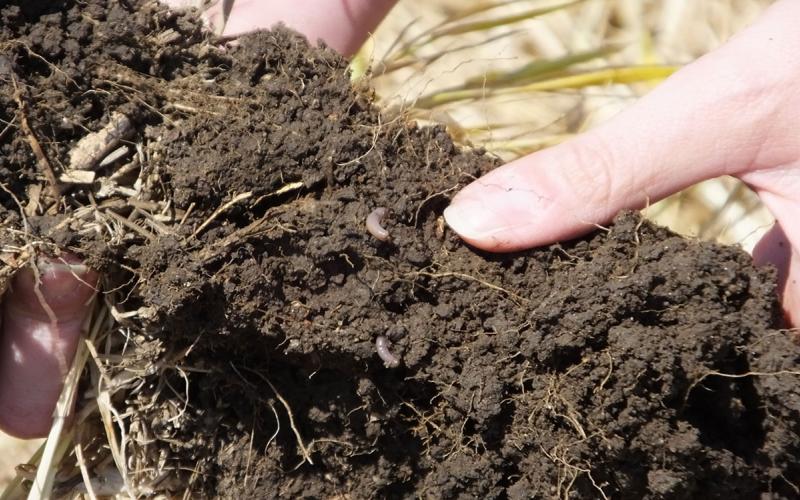
What Makes Up a Healthy Soil?
Healthy soil has strong soil structure that stays together whether it’s wet or dry. Learn about the many components that combine to make soil healthy.
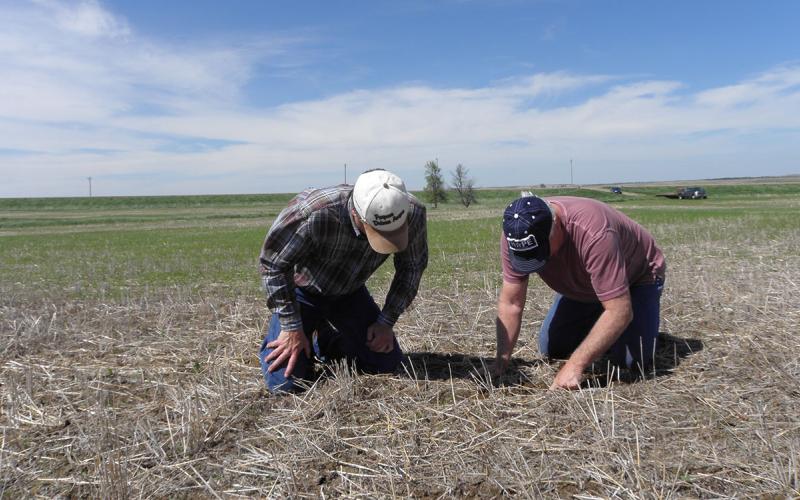
Managing Soil for Carbon Storage
Did you know that adopting soil health principles can lead to increased soil carbon concentrations? Learn about some recent studies in South Dakota that evaluated the potential of land management activities to increase soil carbon.
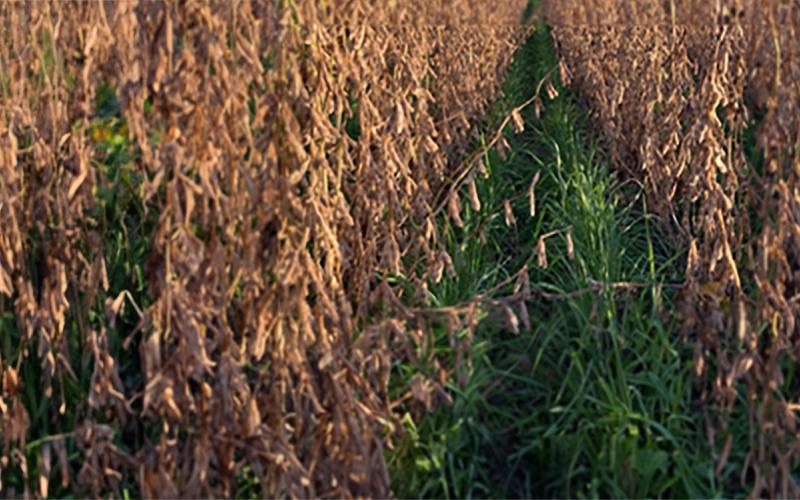
Inter-Seeding Cover Crops into Soybean
Recent studies have investigated the soil health and yield impacts of inter-seeding various cover crops into soybean plantings.
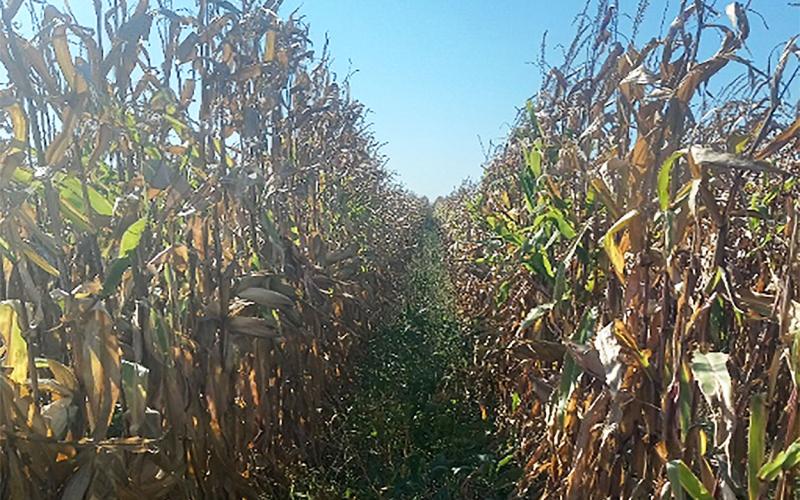
Inter-Seeding Cover Crops into Corn
Many producers are interested in incorporating cover crops into their cropping systems. Recent research investigated the effects of inter-seeding cover crops into corn on biomass production, grain yields, and other ecosystem services.
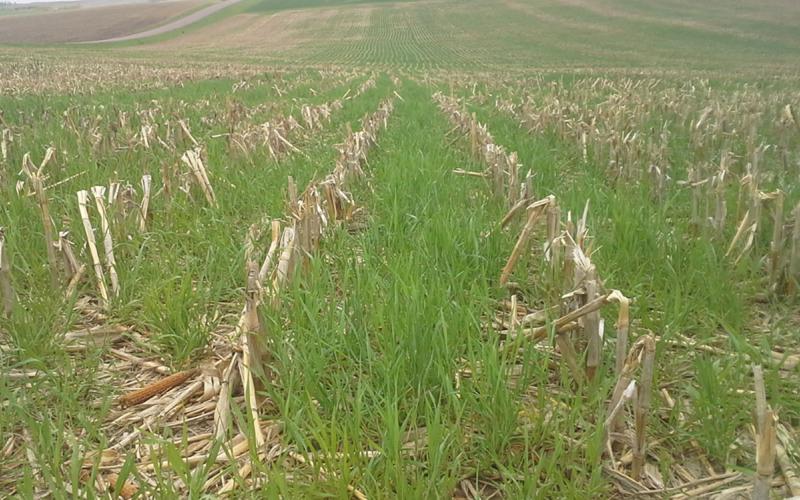
Thinking Cover Crops? Winter Rye Between Corn and Soybean
Although the 2021 growing season in has been impacted by widespread drought and record-high temperatures, recent rain events have brought planting cover crops back into the conversation.
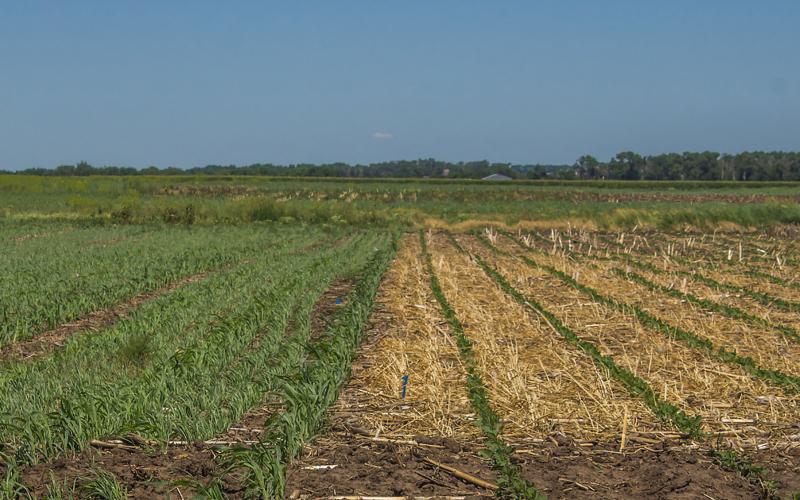
Crop Residue, Cover Crops Impact on Soil Health Parameters
Interest in no-till and cover crops has been on the rise among South Dakota crop producers. In 2019, half of South Dakota crop ground was under no-till management and about 900,000 acres were planted to cover crops.
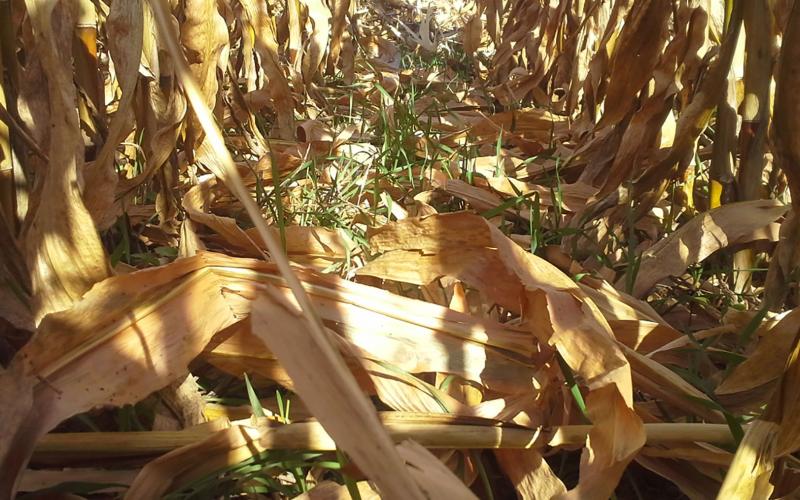
Cereal Rye Cover Crop Between Corn and Soybean
Interest in cover crops has increased in recent times. Cereal rye has been a cover crop of choice among corn and soybean growers in South Dakota due to its superior tolerance to cold temperatures and ability to overwinter in a Northern climate.
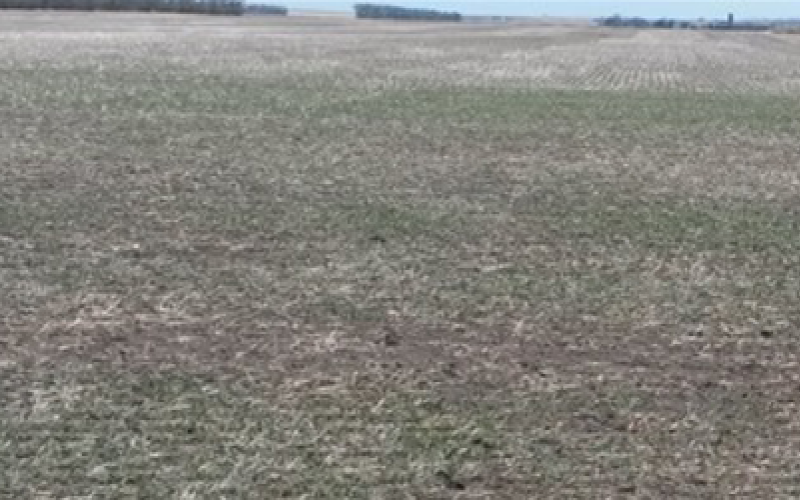
Split Application of Nitrogen in Winter Wheat
Adequate N early in the growing season is important to support healthy tillering and to give young plants the best opportunity to survive the sometimes-harsh South Dakota winter