Insect & Pests
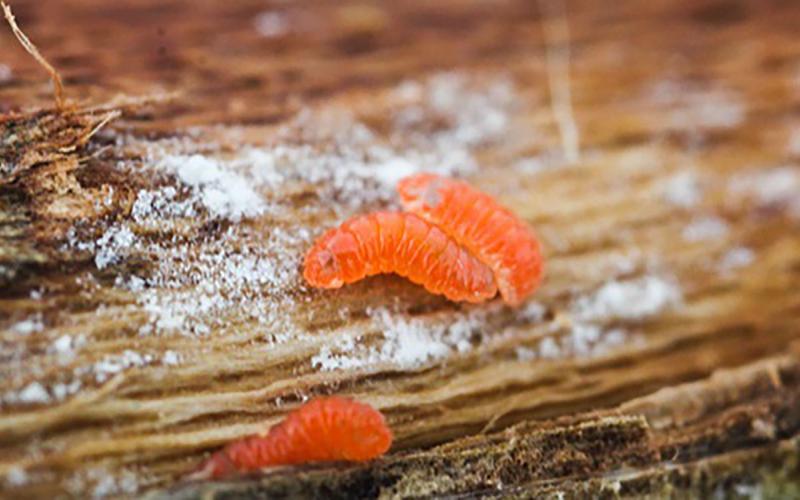
Soybean Gall Midge Larvae Observed in South Dakota
Soybean gall midge emergence continues to be slow in South Dakota. In the past week, two additional adults have been captured in South Dakota.
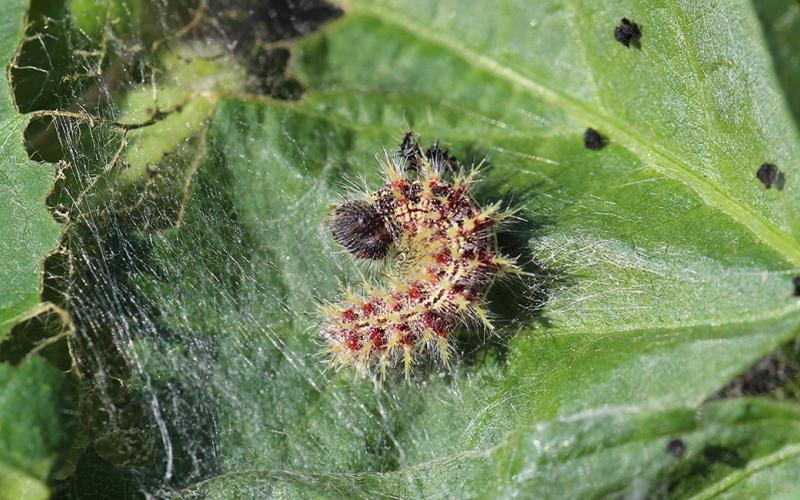
Thistle Caterpillars Observed on Canada Thistle
Although thistle caterpillars are normally first observed in July or August, it is possible for them to appear earlier if weather conditions are favorable. While these caterpillars are generally not present in high numbers, they can cause severe defoliation.
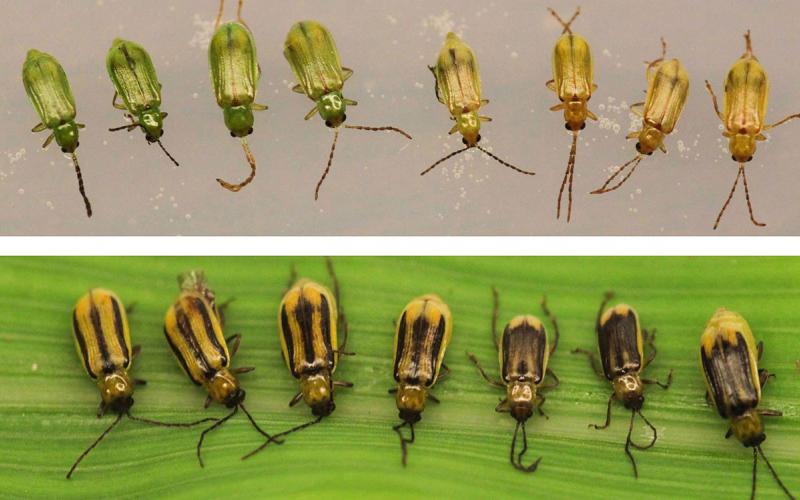
Corn Rootworm Egg Hatch Estimates
Corn rootworms overwinter in the soil as eggs and hatch in the spring when enough soil degree days have been accumulated. Based on soil degree day accumulations, most of South Dakota has reached 50% corn rootworm egg hatch.
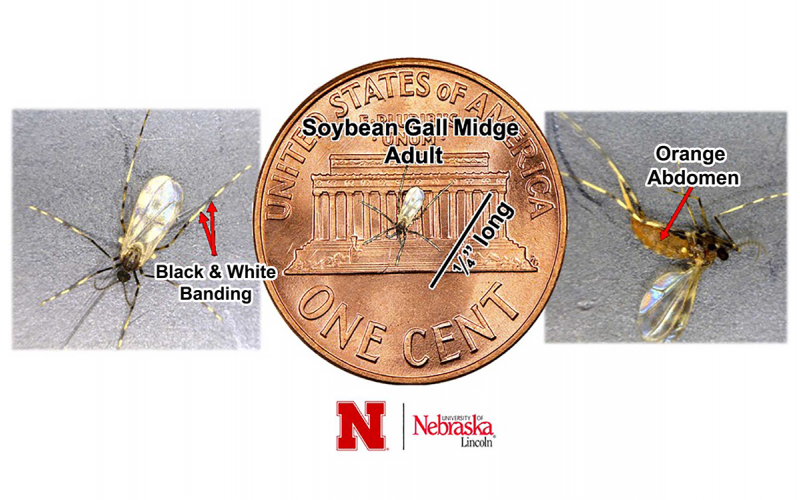
Soybean Gall Midge Adults Captured in South Dakota
Although soybean gall midge adults have been captured earlier this spring in neighboring states, the first adults were captured in South Dakota on June 17. So far, our captures are low with one adult at two locations near Burbank and Meckling.
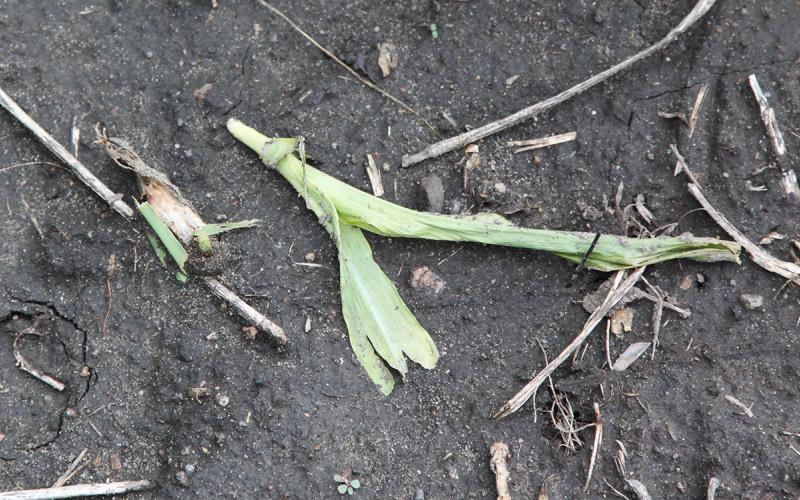
Cut Corn Plants Detected in South Dakota
Cut corn plants have been detected in South Dakota. The damage is due to black cutworm feeding. Although black cutworm caterpillars injure corn by feeding on leaf tissue, the serious damage occurs when caterpillar feeding results in the cutting of young corn plants.
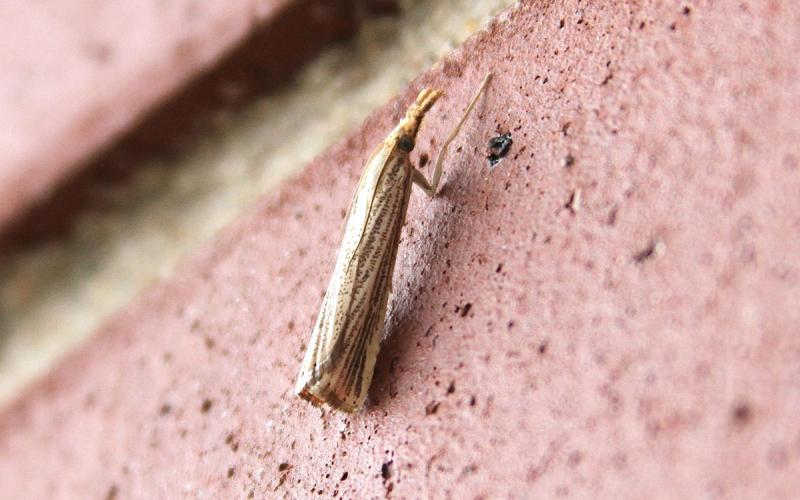
What Are the Little Moths All Over My Lawn?
There have been reports of small, light-colored moths showing up by the thousands in people’s lawns. These moths have been identified as sod webworms, which are now emerging throughout South Dakota.
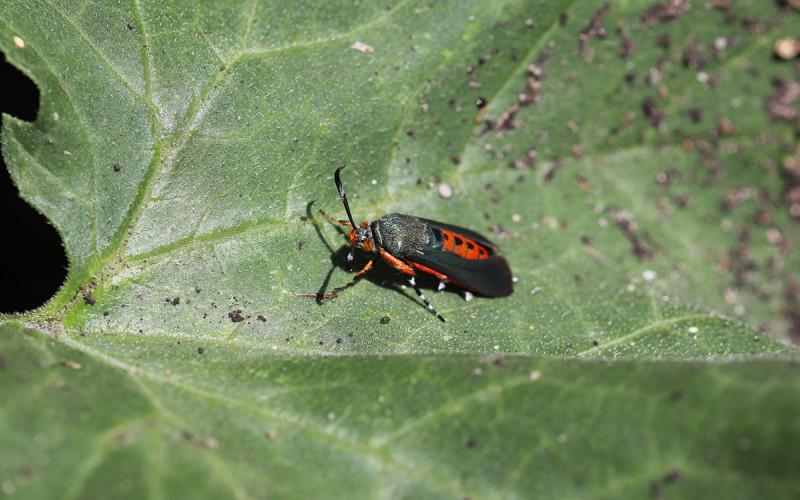
Squash Vine Borer Moths Are Active
Squash vine borer moths have been observed in South Dakota gardens. Now that we know they are active, it is important to take steps to ensure that they don’t have a negative impact on our squash plants.
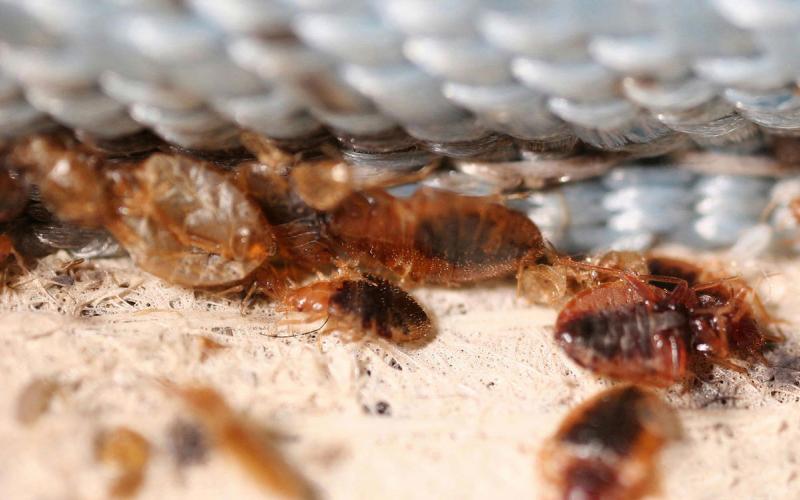
Bed Bugs: What You Need To Know
When it comes to household pests, bed bugs can make almost anyone cringe. These tiny, vampire-like critters are pests of humans and can become a persistent problem when they infest homes.
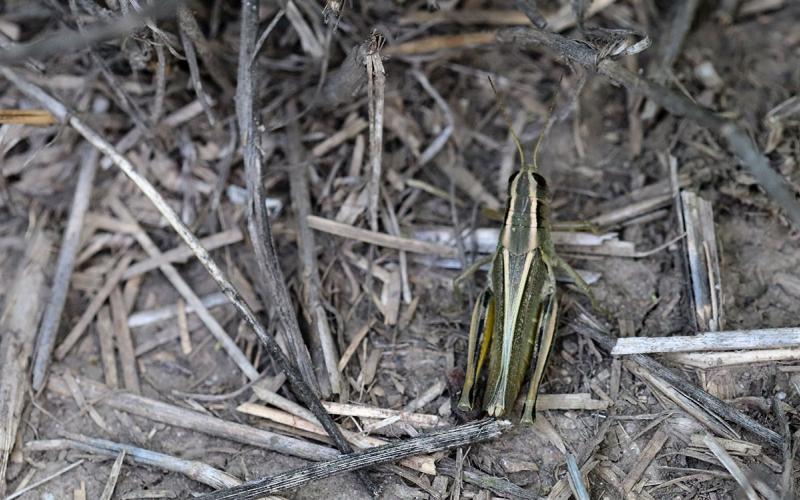
Will Grasshoppers Be an Issue in 2021?
With much of South Dakota experiencing dry conditions this year, grasshoppers are one of the insect pests that will need to be monitored. Large grasshopper populations may cause economic loss in cash crops and reduce forage in range and pasture lands.
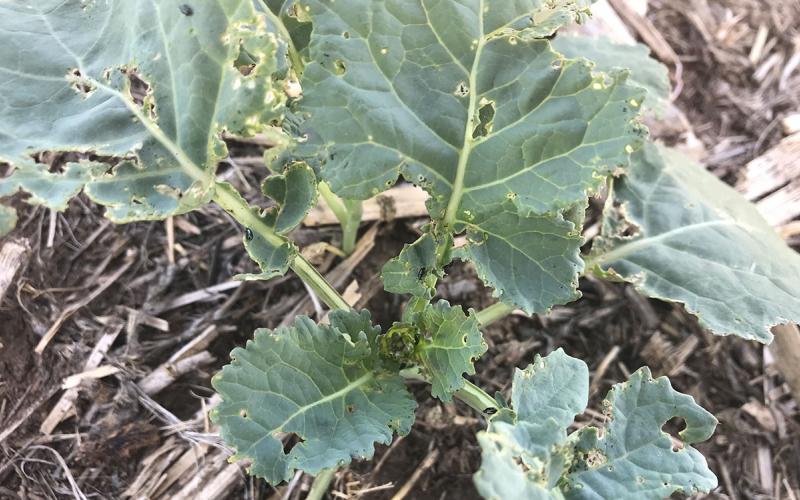
Flea Beetles Still Feeding in Canola
Large populations of flea beetle adults have been observed on canola this week. In one field we scouted, flea beetle populations were large and causing significant amounts of defoliation.