Insect & Pests
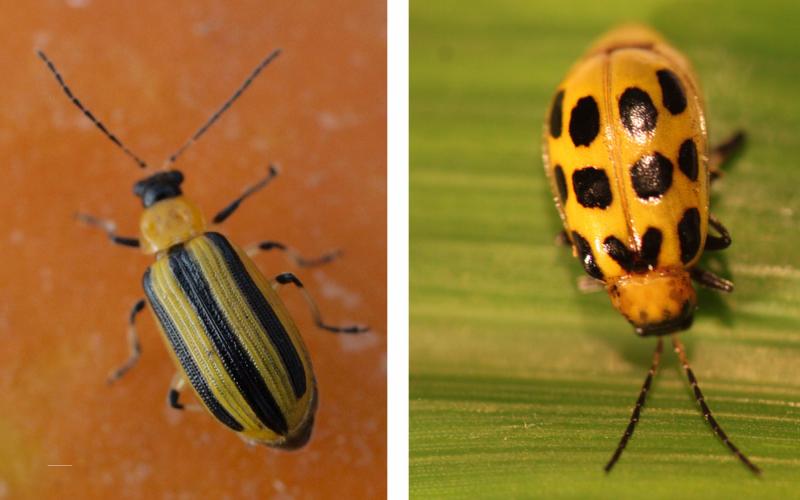
Start Scouting for Striped Cucumber Beetles
Striped cucumber beetles are showing up in gardens across South Dakota. If large populations are present in a garden, they can cause severe injury to squash, cucumbers, melons and other cucurbits if left unmanaged.
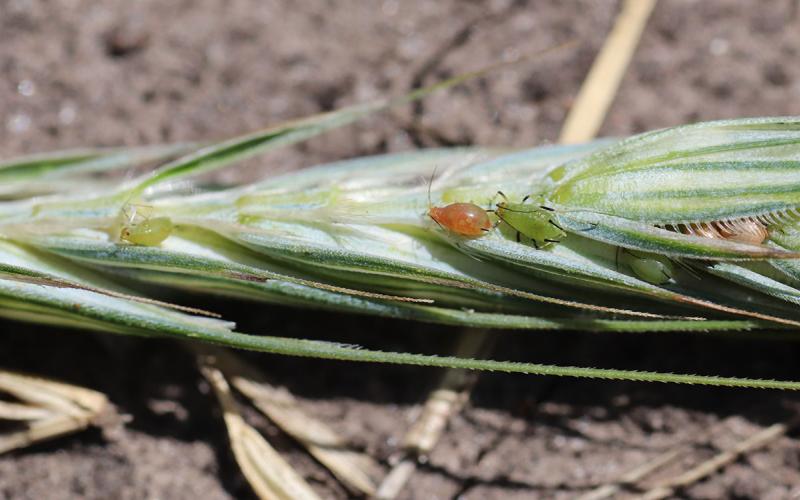
English Grain Aphids Observed in Wheat
Reports of aphid populations in wheat fields have been slowly increasing in the past week. Most of these populations are well below the economic threshold, but there is a potential for them to increase.
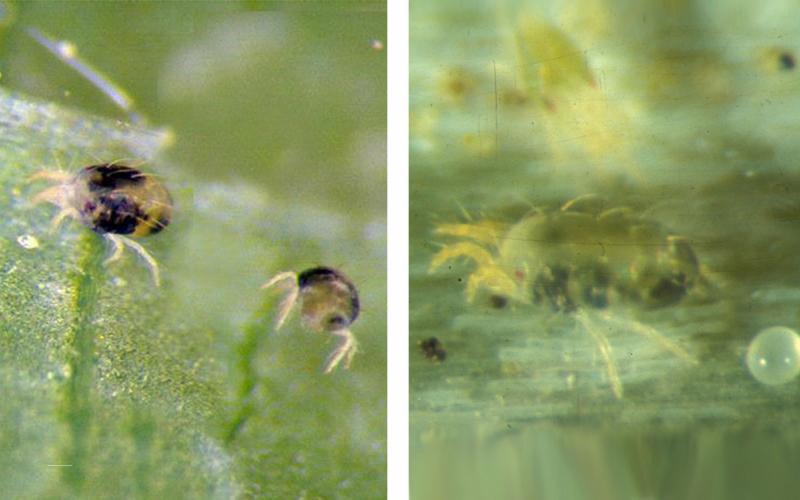
Spider Mites Reported in South Dakota Crops
With drought conditions continuing in South Dakota, it isn’t surprising that two-spotted spider mite infestations are being reported throughout the state. With hot temperatures in the forecast and limited chances for precipitation, we can expect spider mite populations to thrive in infested fields.
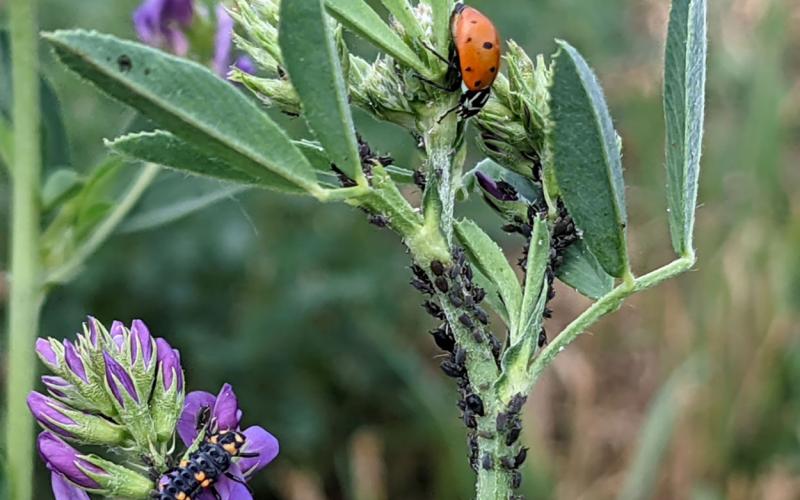
Cowpea Aphids Infesting Alfalfa
Typically, we worry about pea aphids in alfalfa. However, we noticed that cowpea aphids were present on alfalfa this week. If left unmanaged, cowpea aphids can stunt alfalfa, reduce yields and even kill the plants during severe infestations.
Keep Scouting for Alfalfa Weevils
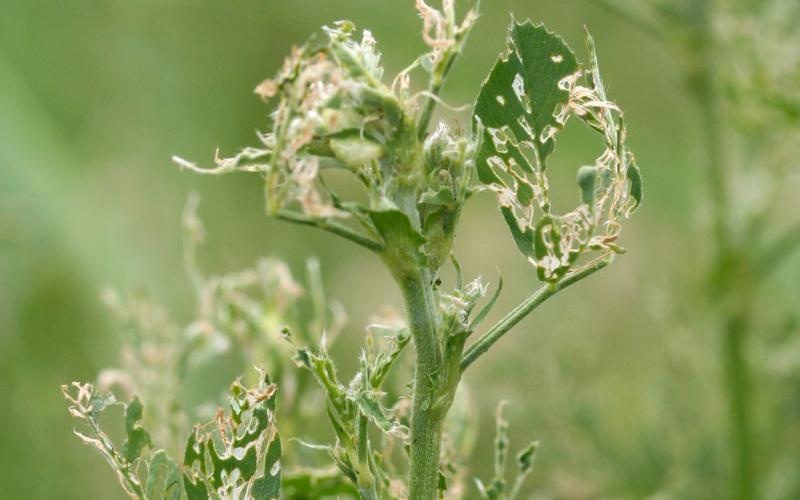
This week we received a report and picture confirmation of early-instar alfalfa weevil larvae in an alfalfa field. Although most alfalfa fields were treated for alfalfa weevils before the first cutting, those fields still need to be scouted.
Grasshoppers Are Causing Concerns in South Dakota Crops
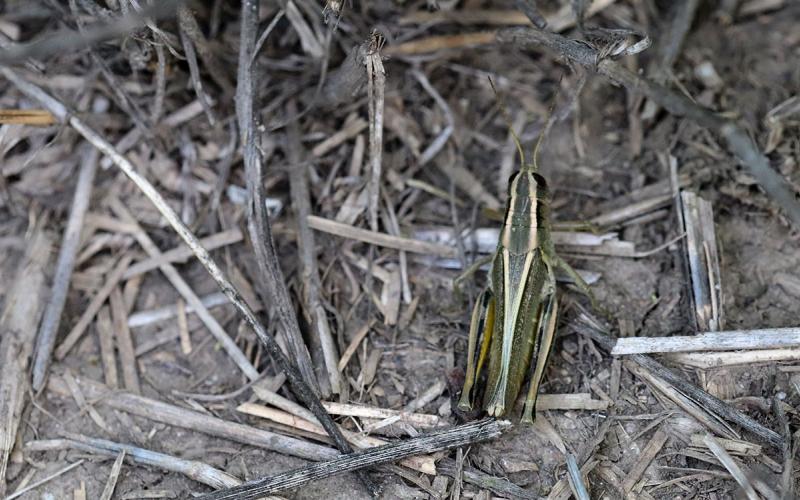
In 2020, grasshopper populations were an issue in parts of central and western South Dakota. The populations this year are moving into crops earlier and appear to be as bad as the ones observed last year.
Blister Beetles Showing up in Alfalfa Fields
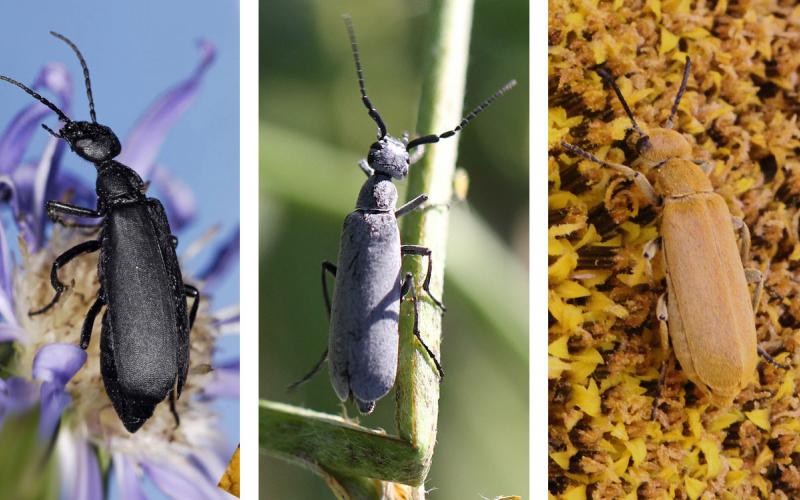
Blister beetles are now active in South Dakota. Although the larvae of blister beetles can be beneficial by feeding on grasshopper eggs, the adults cause issues when large populations are present in alfalfa at the time of harvest.
What’s Leaving These White Skins on My Lawn?
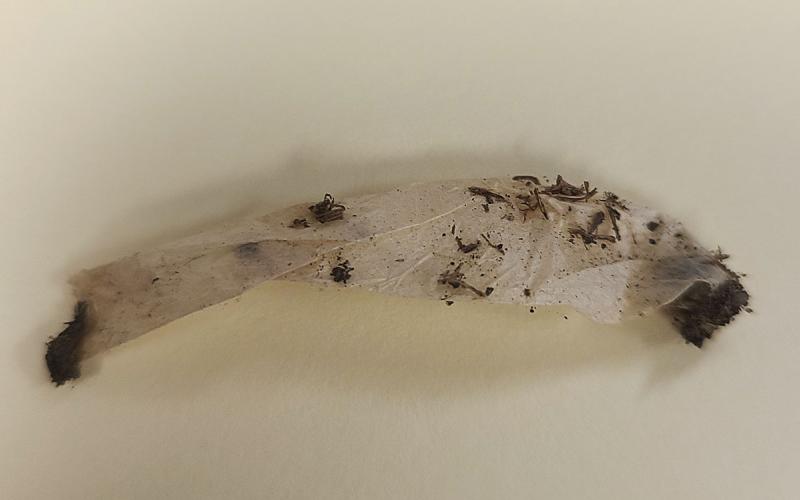
There have been many reports by homeowners of birds pulling out white, cigarette-looking tubes from their lawns. These tubes are silken tunnel linings created by the cigarette paper webworm.
Squash Vine Borers Ramping up in South Dakota
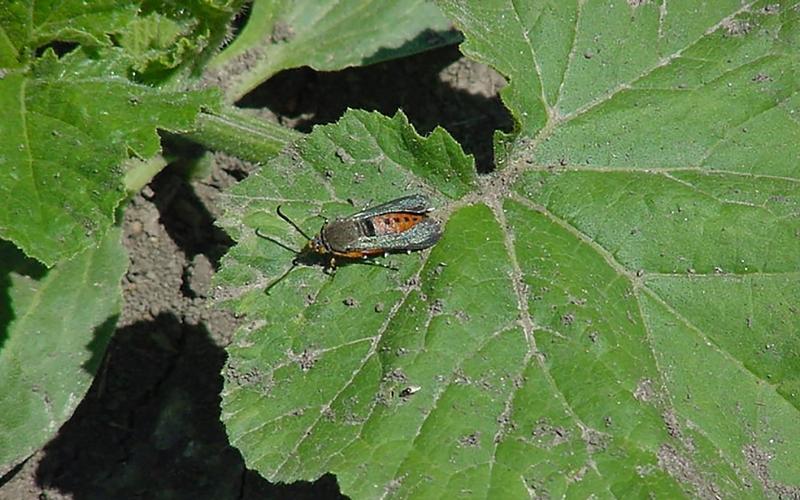
Last week squash vine borer moths were observed in South Dakota. For this reason, it is important to scout for the moths as well as eggs on the stems of zucchini, squash, pumpkins and related produce.
Soybean Gall Midge Larvae in South Dakota Soybean
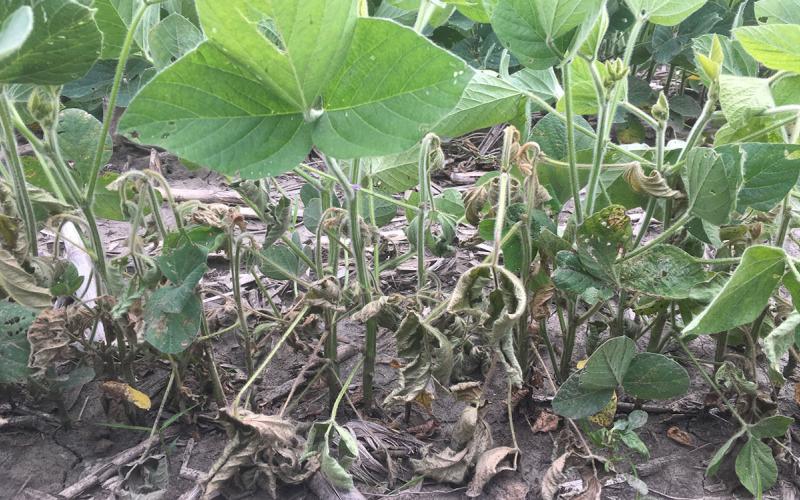
Soybean gall midge larvae were observed in South Dakota soybean this week. Although insecticide applications haven’t been very effective at this stage, it is still important to scout fields and determine the location and extent of soybean gall midge infestations.