Insect & Pests
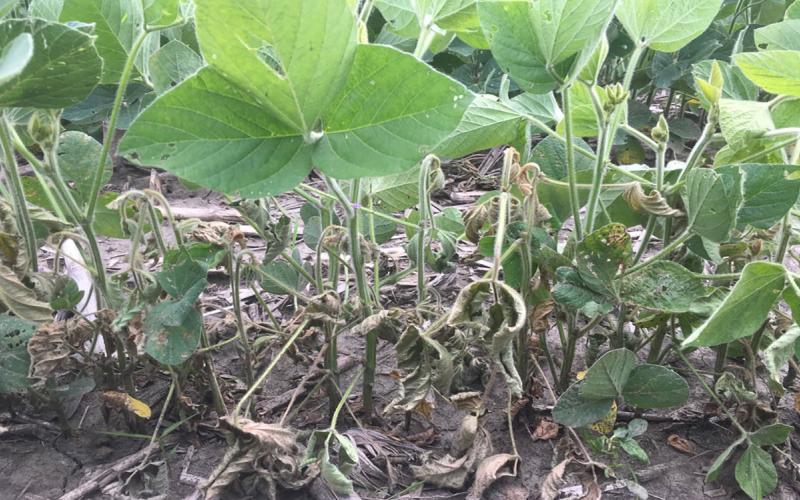
Soybean Gall Midge Larvae Detected in South Dakota Soybean
Soybean gall midge larvae have been detected in southeastern South Dakota. Although the infestations probably won’t result in plant death in many fields in 2022, the infestations could be a source for soybean gall midge adults in 2023.
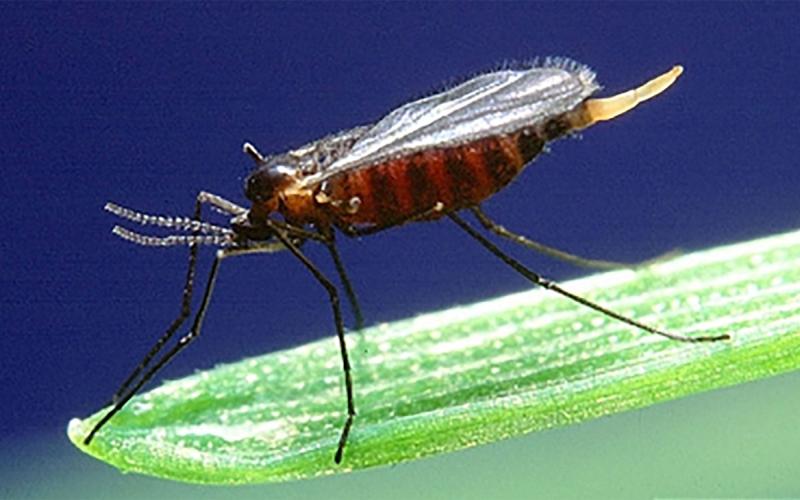
Hessian Fly: Preventing Outbreaks in Wheat
Hessian flies (Mayetiola destructor) are tiny, gnat-like flies. Their larvae are considered serious pests of wheat and occasional pests of barley and rye.
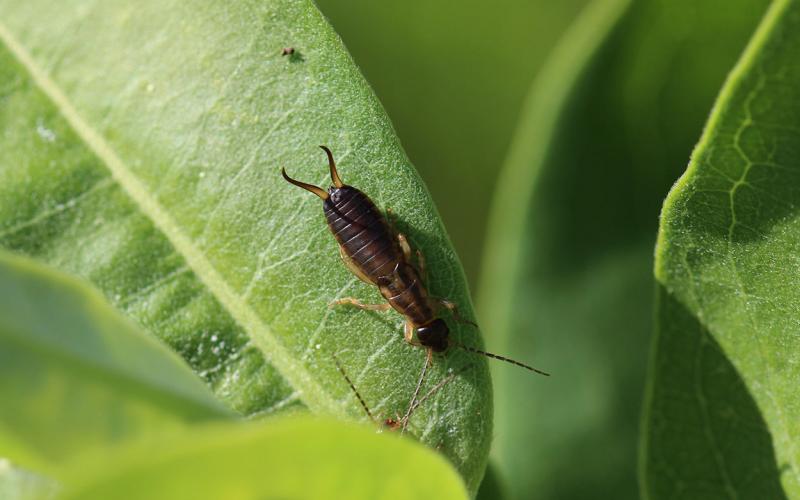
An identification guide for Home and Building Arthropod Pests - Insects, Spiders and Other Invaders in South Dakota
Identification guide to assist with identification and management of home and building arthropod pests (insects, spiders and other invaders).
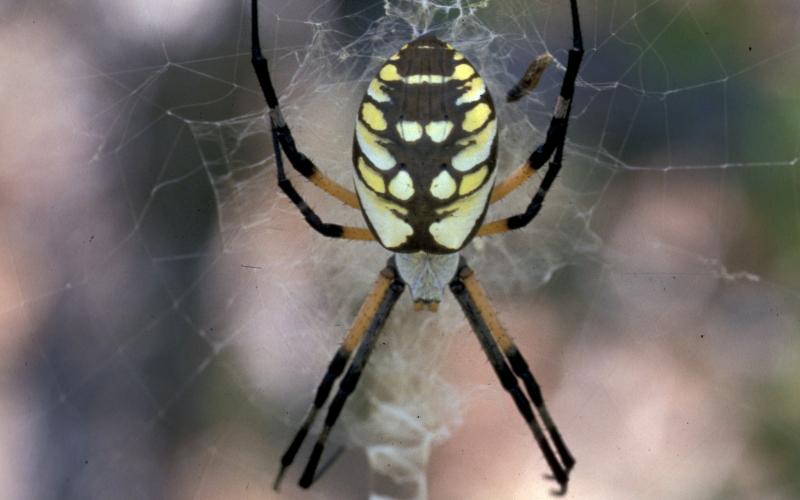
An identification guide for Common Spiders in South Dakota
Identification guide to assist with identification and management of common spiders.
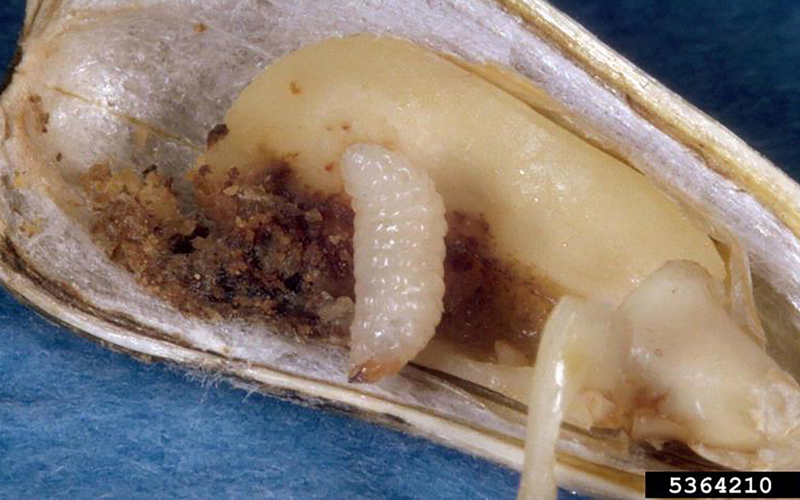
An identification guide for Sunflower Insect Pests in South Dakota
Identification guide to assist with insect identification and management in sunflowers.
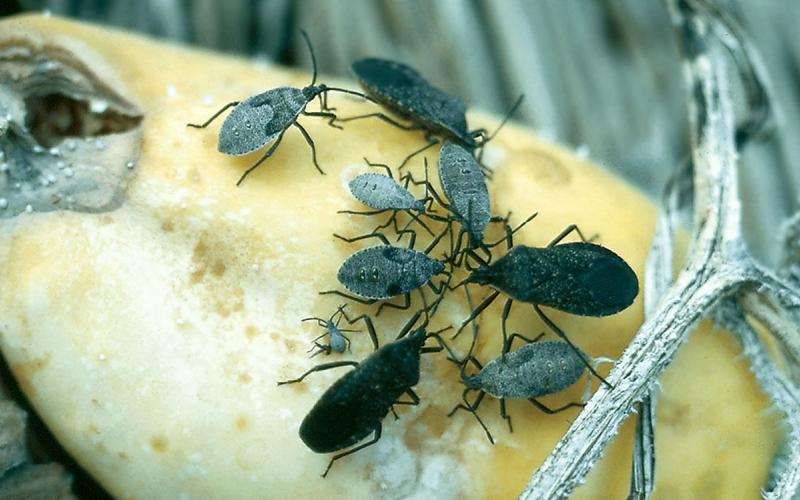
Squash Bugs Are Active in South Dakota
Squash bugs are an insect pest that everyone dreads finding in their garden. If left unmanaged, injury caused by their extensive feeding can kill infested squash and cucurbit plants.

Grasshopper Activity Is Ramping Up
We have already observed increased grasshopper activity in many areas of the state and, depending on the 2022 season, they may become problematic in crops.
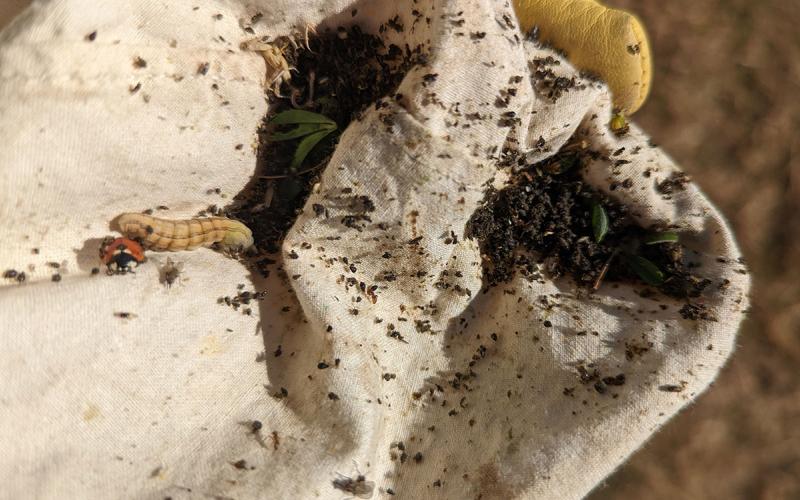
Cowpea Aphid Populations Taking off in Alfalfa
In southeast South Dakota, we are observing large cowpea aphid populations in alfalfa. Large populations can reduce yields, and, if left unmanaged, these infestations even kill the plants.

Blister Beetles Are Active in South Dakota Alfalfa
Blister beetles have been spotted in several alfalfa fields in South Dakota, which means it’s time to start scouting to determine how many are present.
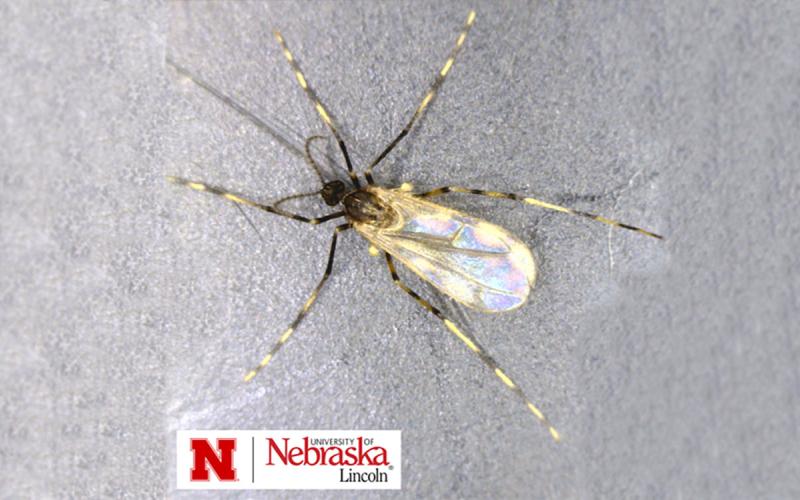
Soybean Gall Midge Adults Detected in South Dakota
Soybean gall midge emergence was first detected in South Dakota two weeks ago, during the week of June 13 -17, 2022. Emergence continues to be slow, with the only observations in southeast South Dakota.