Feeds
All Feeds Content
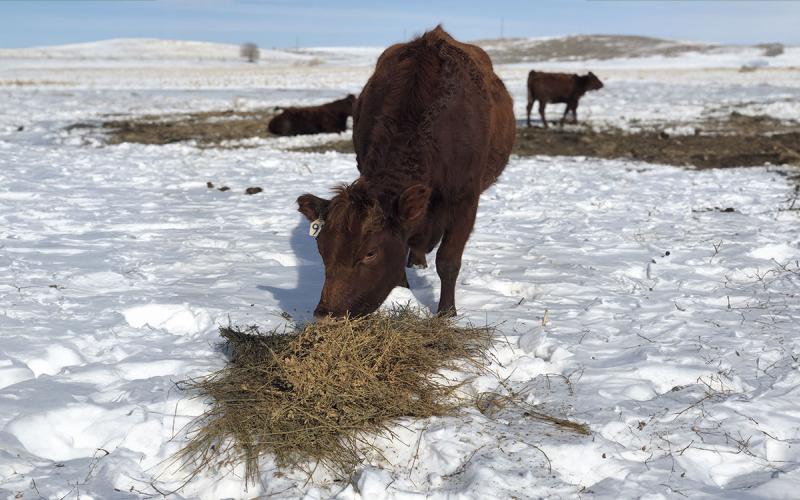
Feeding for the Future: Maternal Protein Intake
Maternal nutrition is extremely important, not only to the cow, but also to its unborn calf, which relies solely on its mother for nutrition. Learn some expert tips for getting your cows and their calves off to a great start.
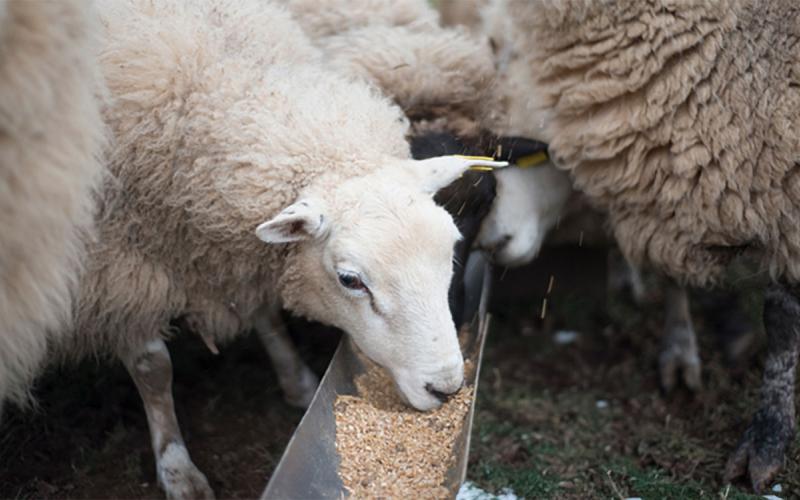
Proper Ewe Nutrition Benefits Future Lamb Performance
Supplying ewes with greater levels of energy during gestation ultimately leads to greater lamb performance throughout their lifetime.
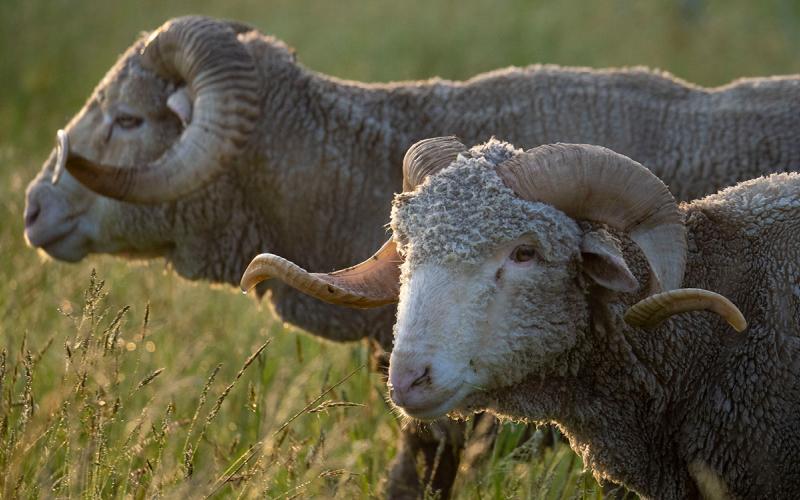
Boosting Ram Nutrition for Optimal Breeding Success
Around breeding time, nutritional considerations tend to lean towards the ewes, but what about rams?
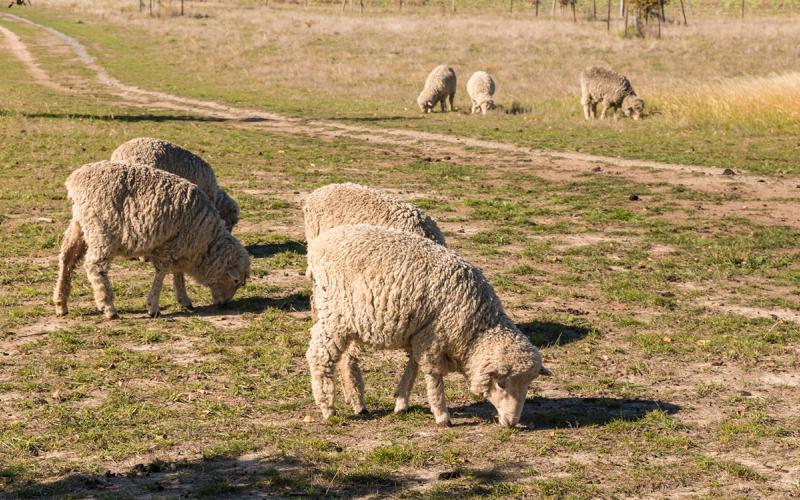
Using Rangeland to Extend Lambs to Meet a More-Optimal Market
Coming off a year of record prices across all classifications of sheep, the current drop in prices has been a bit discouraging. Using historic pricing data, we can observe seasonal price fluctuations that may make holding onto lambs a little longer a more-profitable option.
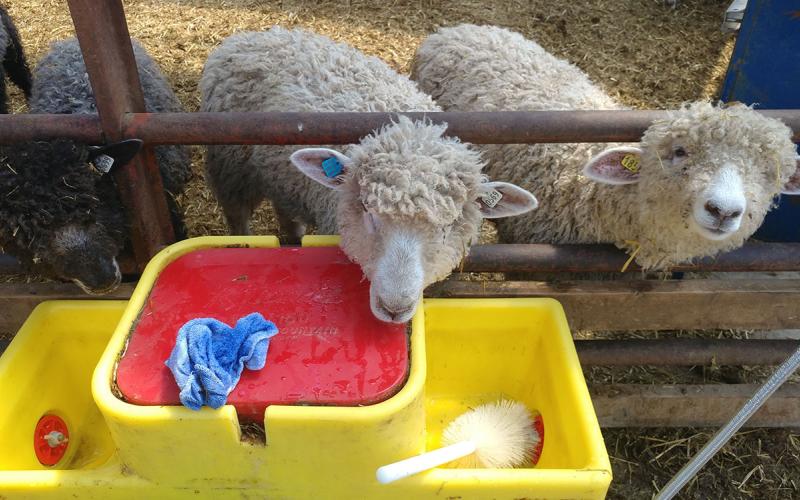
Sheep Water Requirements and Quality Testing
Water intake is critical for ensuring flock health, performance and heat stress mitigation. Learn some key considerations for water quality and intake requirements.
Nutritional Considerations for Flocks During Breeding Season
Optimizing flock nutrition throughout the breeding season can help improve conception rates, lambing percentages and ram longevity.
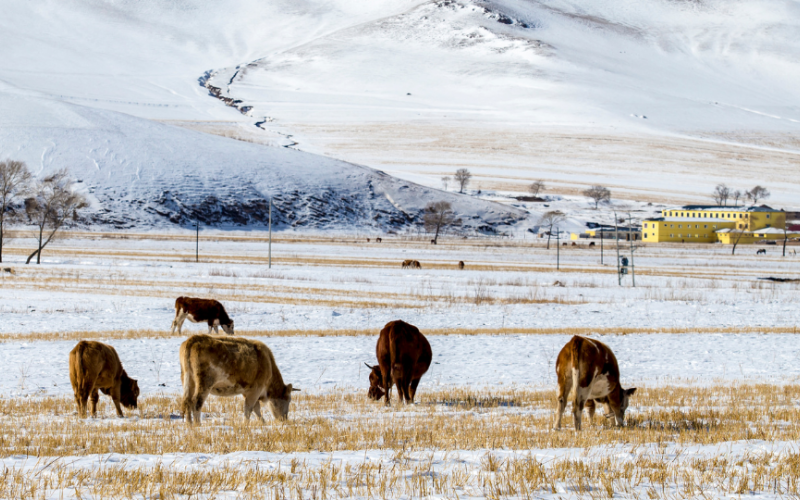
SDSU, NDSU Extension hosting beef cattle feeding programs
January 22, 2024
The SDSU Extension Dakota Alternative Beef Cow Systems Symposium is designed to help farmers and ranchers navigate the rising costs of the pastures and forages used to feed beef cattle. There will be two in-person events and one virtual event via Zoom.
Forage Connection
SDSU Extension and Nebraska Extension collaborate to provide forage grazing, growing and feeding recommendations in this podcast.
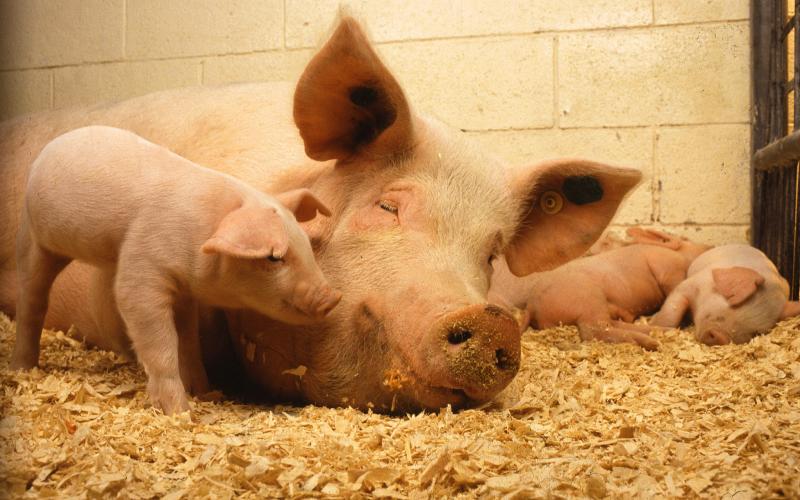
2024 SowBridge educational series starts Feb. 7
January 17, 2024
Sow producers can access swine industry experts from the comfort of their own homes or barns with the 2024 SowBridge webinar series, which kicks off on Feb. 7.
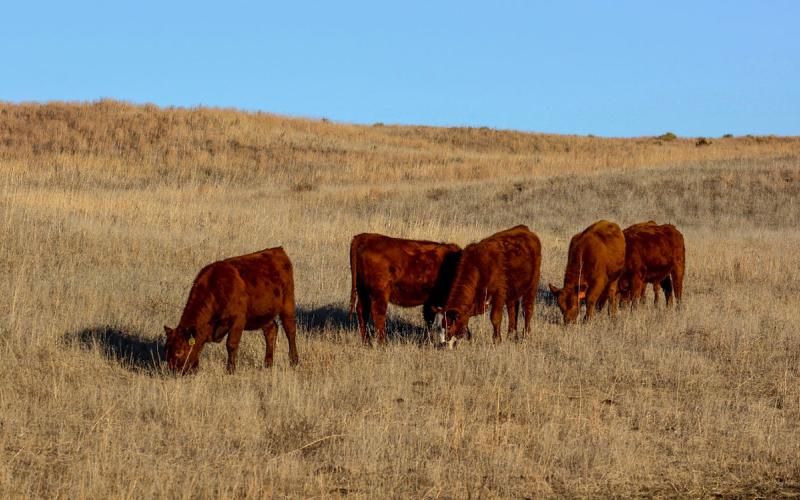
Meeting Growing Calf Requirements With Protein Supplementation While Winter Grazing
Due to their growth requirements, growing calves need higher-quality nutrition than cows, and they will require more protein and energy supplementation when grazing winter range.