Diseases & Disorders
All Diseases & Disorders Content
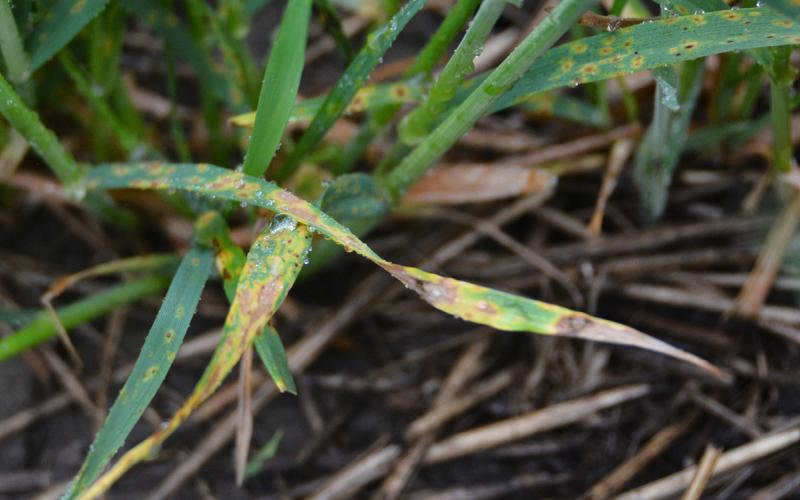
Scout for Tan Spot in Winter Wheat
Tan spot was observed in a few winter wheat fields scouted recently. It is important to scout winter wheat for tan spot and other early diseases developing before deciding to apply an early-season fungicide tank mixed with herbicide.
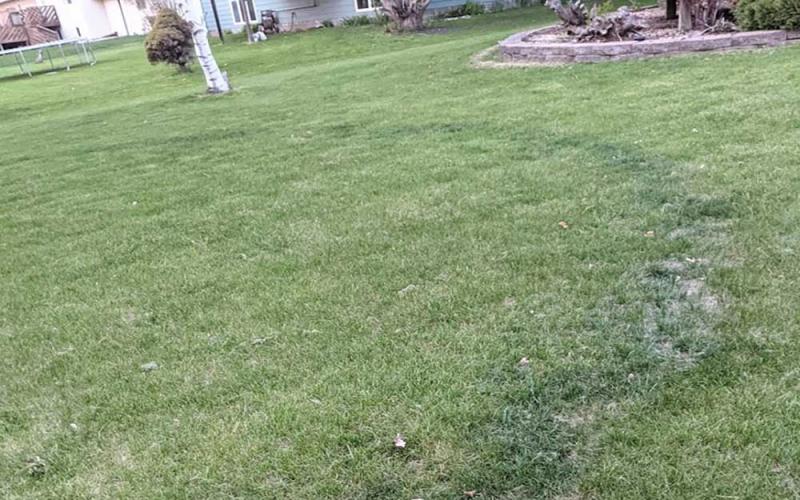
Fairy Rings in Lawns
Seeing greener grass in circular pattern in your lawn? This is not due to uneven fertilizer application, but rather due to a fungi feeding on decomposing matter and releasing nitrogen in the affected areas.

Wheat Streak Mosaic Developing in Winter Wheat Fields
A few winter wheat fields in central South Dakota have been found with wheat streak mosaic disease. Incidence of this disease varied from a few plants to large portions of the field with yellowing leaves.
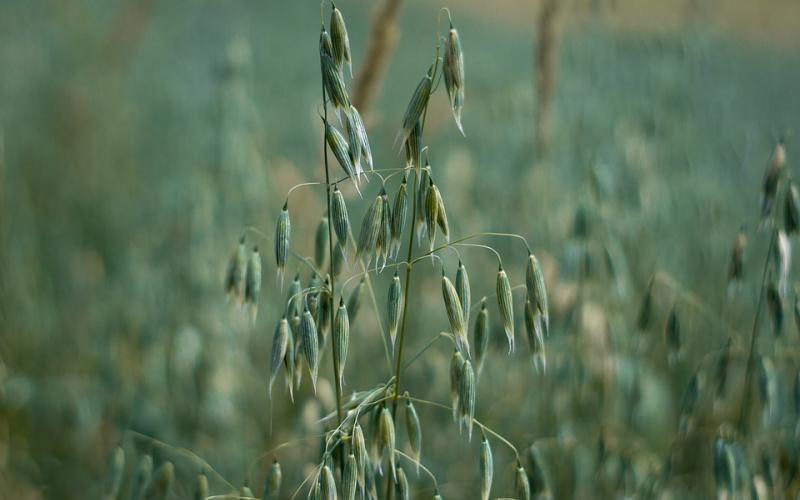
2020 Plant Disease Summaries for Small Grains
A number of field trials were implemented in the 2020 growing season with the general objective of assessing various disease management practices suitable for South Dakota growers and the Great Plains.
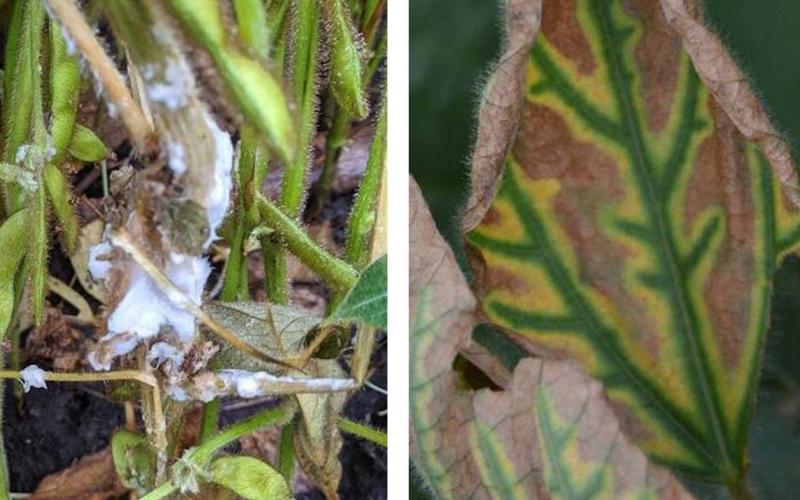
White Mold and Sudden Death Syndrome Starting to Develop
White mold and sudden death syndrome are starting to develop in a number of soybean fields. These two diseases develop starting at the soybean flowering growth stage and can occur throughout the rest of the soybean growing season.
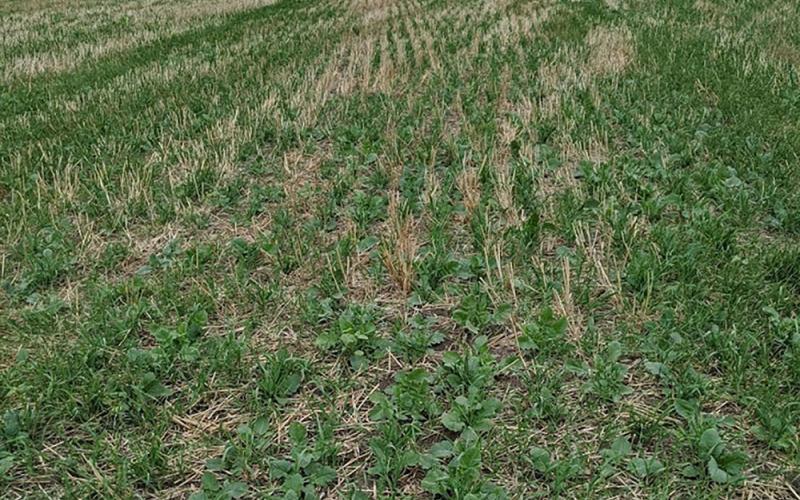
Cover Crop Considerations When Dealing With Soybean Cyst Nematode
With the soybeans being harvested a little earlier than usual this year, some producers are finding themselves making management decisions that include cover crops. For soybean producers dealing with soybean cyst nematode in their fields, selection of cover crops is important since some of these can be hosts for soybean cyst nematode.
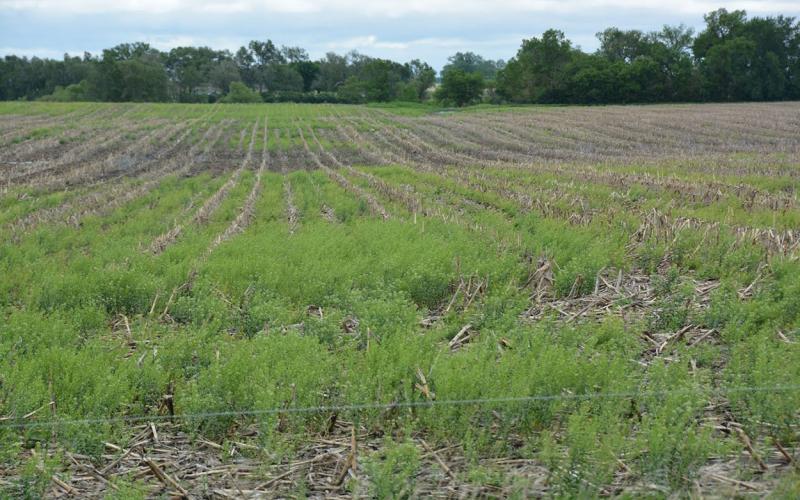
Soybean Cyst Nematode Management Plans Should Include Proactive Weed Management
While soybean cyst nematode can be managed through use of resistant varieties and crop rotation, presence of alternative weed hosts can negate the benefits of these practices by providing a host for soybean cyst nematode to continue to accumulate in the soil.
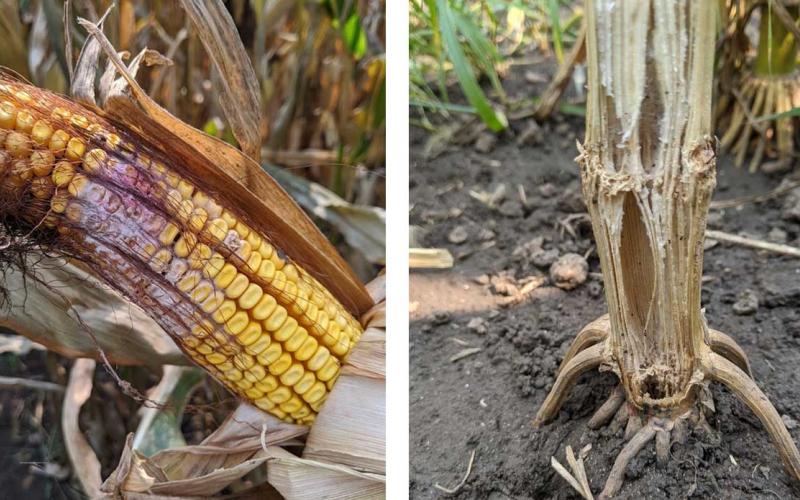
Corn Ear Rots and Stalk Rots: The Last Issues To Check for in Corn Before Combining
Before combining corn, it is recommended to scout your field for corn ear rots and stalk rots. It is important to scout corn fields for these two issues in order to make timely decisions on corn combining.
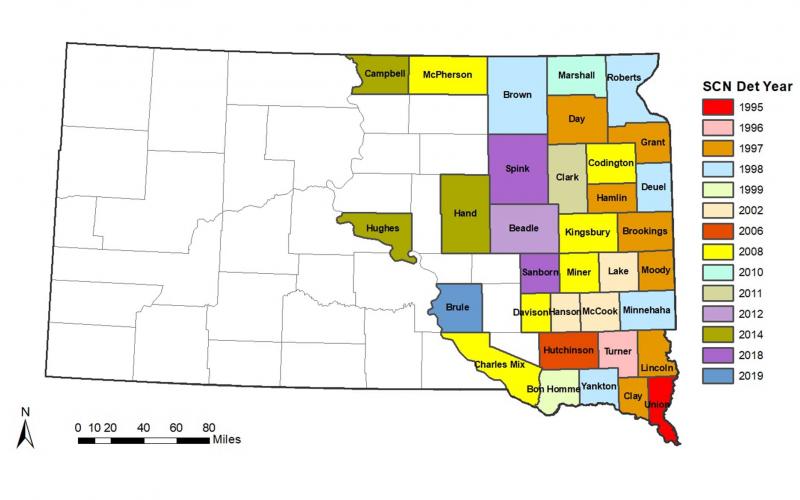
HG Type Testing: A Management Strategy for Soybean Cyst Nematode Control
Have you noticed lower soybean yielding areas in your field? Soybean cyst nematode may be to blame. Fall, and especially after soybean harvest, is the best time to sample soil and have it tested for soybean cyst nematode.
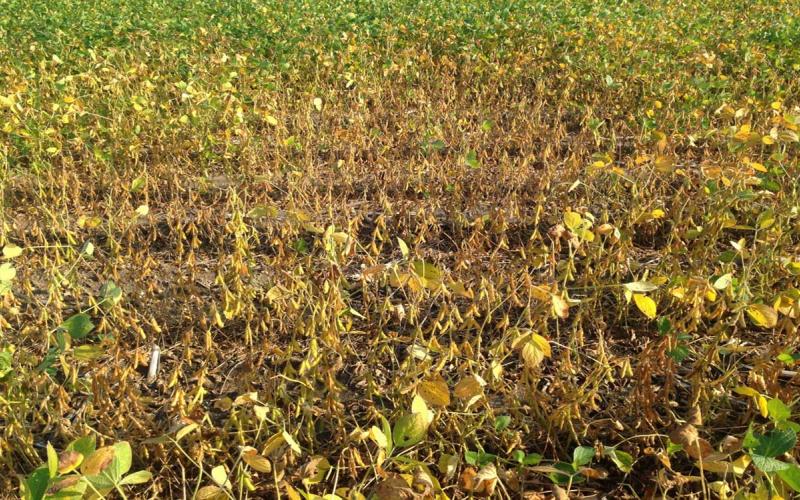
Scout for Charcoal Rot in Early Senescing Parts of the Field
The drought conditions in the past few weeks have led to some soybean fields senescing early. However, some of the early senescing may be due charcoal rot.