Diseases & Disorders
All Diseases & Disorders Content
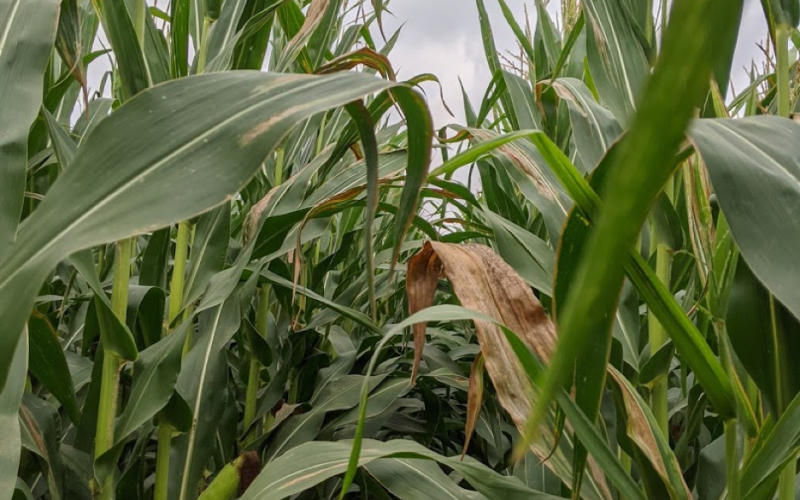
Goss's Bacterial Wilt and Leaf Blight of Corn
Fact sheet for identifying Goss’s bacterial wilt and leaf blight of corn, also known
as bacterial leaf freckles and wilt.
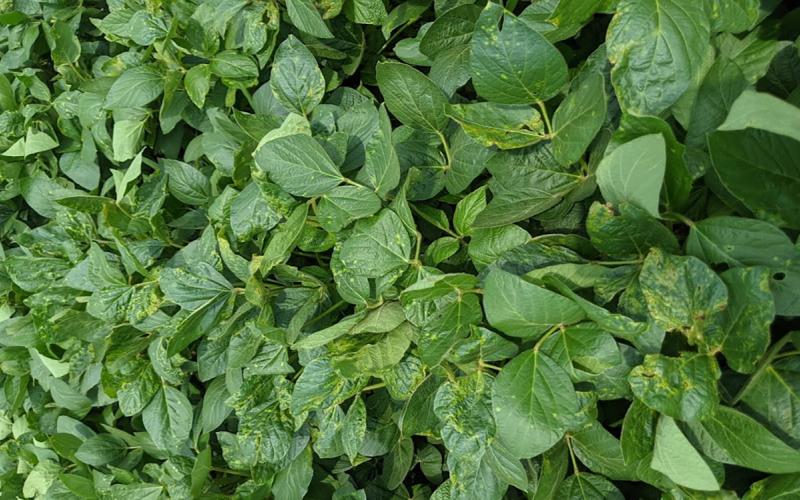
Bacterial Blight Developing In Some Soybean Fields
Bacterial blight was found developing in a few soybean fields scouted the week of July 19. Leaf tattering is a common symptom of bacterial blight and happens when expanding bacterial blight lesions coalesce and form large brown patches.

Stem Canker Developing in Some Soybean Fields
A few soybean fields are showing some wilting plants due to stem canker. The field entries and head rows are the most-impacted parts of these fields. The current dry conditions are stressing the plants and causing early development of the disease.

Sooty Mold: A Saprophytic Fungi Observed in Wheat
While out crop scouting, sooty mold was observed in some South Dakota wheat fields. Sooty mold is a saprophyte, which can be easily mistaken for a disease caused by plant pathogens.
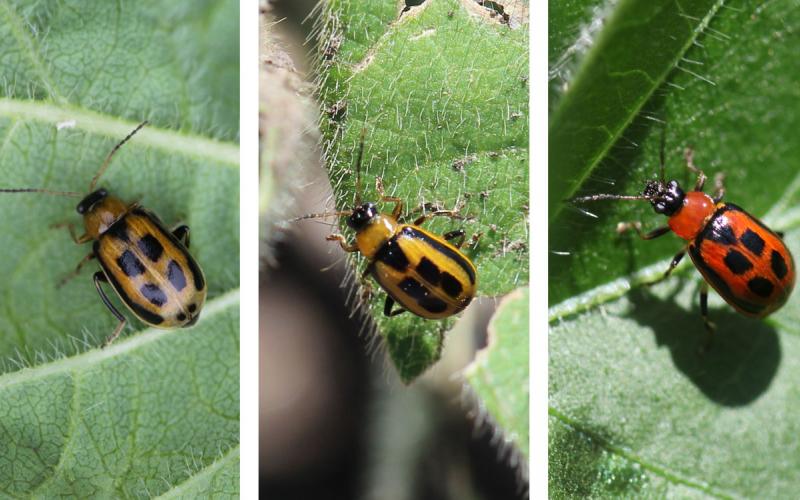
Monitor Soybean for Bean Leaf Beetle Activity
Some of the bean leaf beetles we are currently observing in South Dakota may make up the population of overwintering adults. While these adults are in soybean, they can cause significant amounts of defoliation to the leaves.
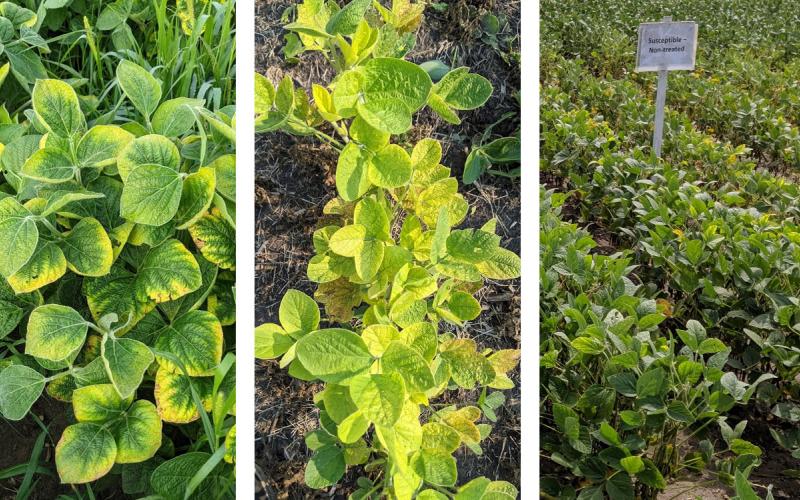
What Is Causing Soybeans to Yellow at This Time?
Recently scouted soybean fields were observed with yellowing plants, and one field was found to have plants dying prematurely. Learn some of the factors that may cause soybean plants to yellow at this time in the growing season.
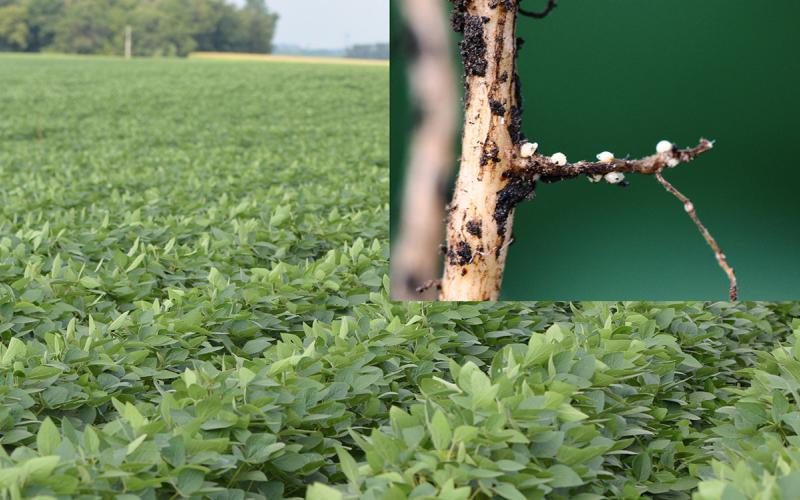
Drought Conditions May Increase Soybean Cyst Nematode Population in Soil
Moisture stress coupled with above-normal temperatures have been linked with increased soybean cyst nematode populations in the soil. In order to keep populations in the soil below the yield-reducing levels, there are a few management practices which can be used.
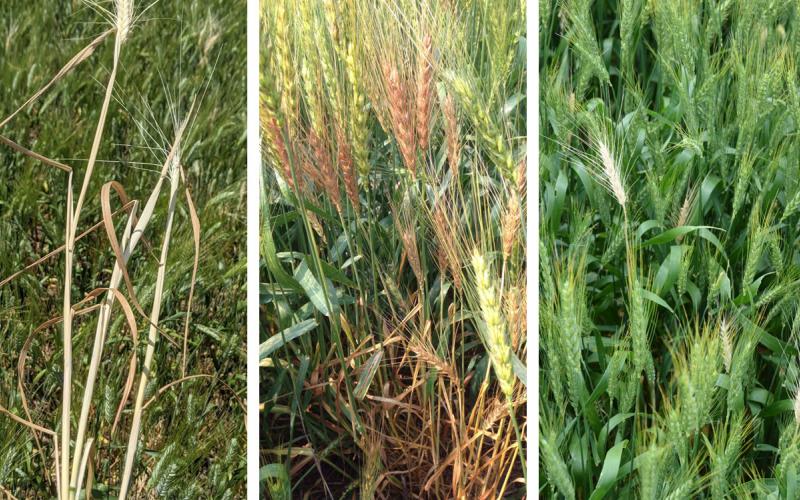
Differentiating Between Wheat Head Diseases and Disorders
Several diseases and disorders can develop in wheat heads. Learn the symptoms of several common disease and insect issues being observed in South Dakota wheat this growing season.
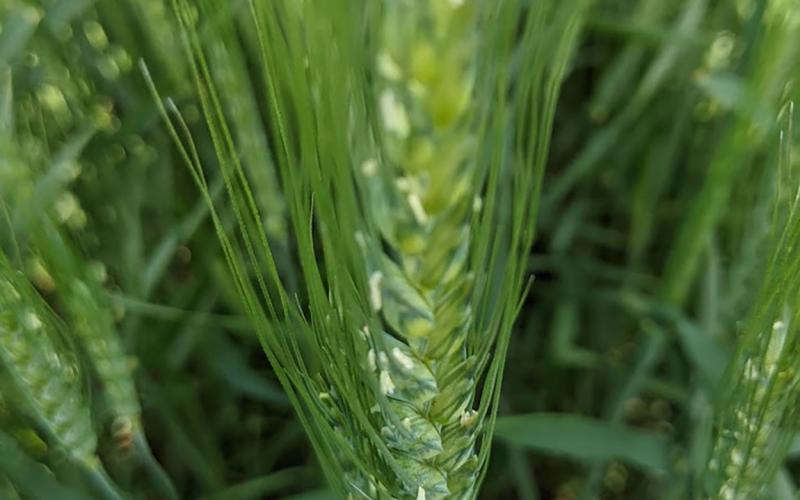
Use Fusarium Head Blight Risk Prediction Tools for Better Disease Management
Winter wheat has reached the flowering growth stage, which is a time of high risk for Fusarium head blight. By using disease prediction tools correctly, a producer can protect wheat from infection by applying a timely fungicide when the tools show moderate to high risk.
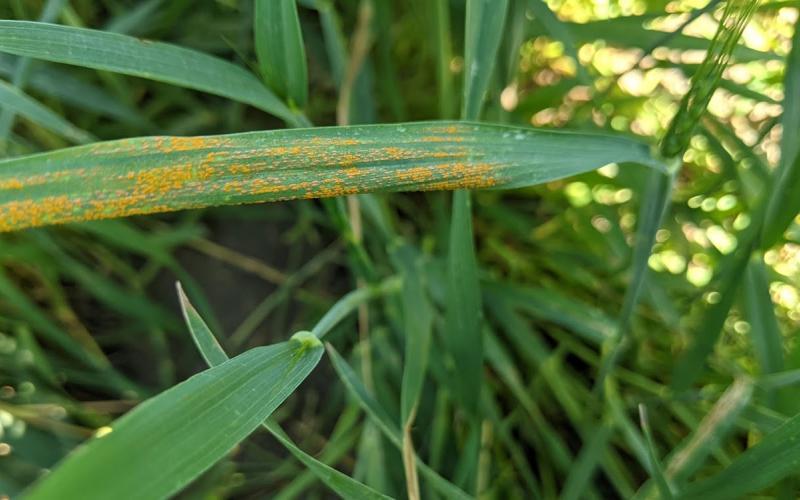
Stripe Rust Starting To Develop in Winter Wheat
Stripe rust was found in a few winter wheat fields scouted this week. The presence of a few plants with stripe rust indicates there is inoculum of this pathogen in the state.