Diseases & Disorders
All Diseases & Disorders Content
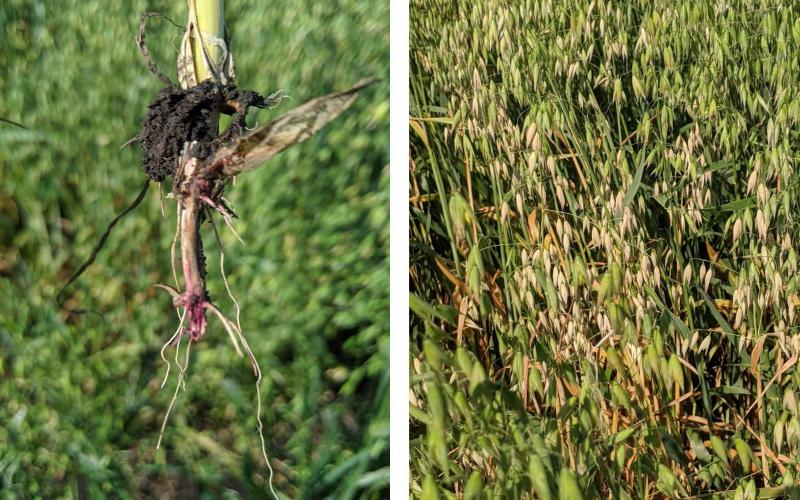
Fusarium Crown and Root Rot Observed in Oats
Some oat fields are showing plants wilting with tillers dying prematurely and heads looking bleached. Inspecting the crown and sub-crown area reveals the discoloration and rotting and sometimes a pinkish color can be observed. These are typical symptoms of Fusarium root and crown rot.
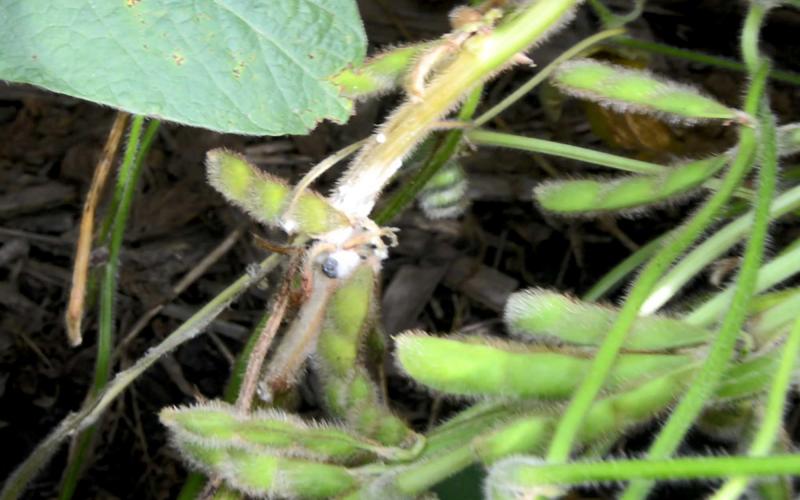
Start of Flowering Is the Ideal Time for White Mold Management in Soybeans
Some early planted soybeans are starting to flower (R1 growth stage). One soybean disease that needs to be managed at this growth stage is white mold.
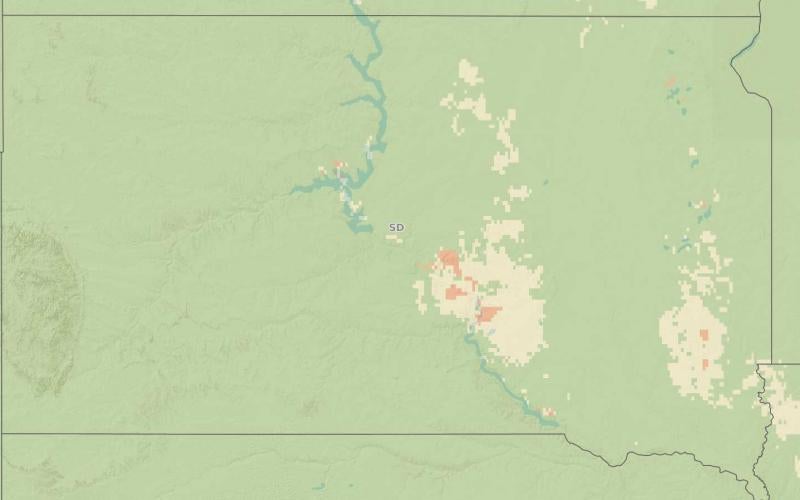
Fusarium Head Blight Predicted Risk for Spring Wheat
Most of the spring wheat is at or will soon be at flowering. One disease that can develop in wheat at this growth stage is fusarium head blight (FHB or scab).
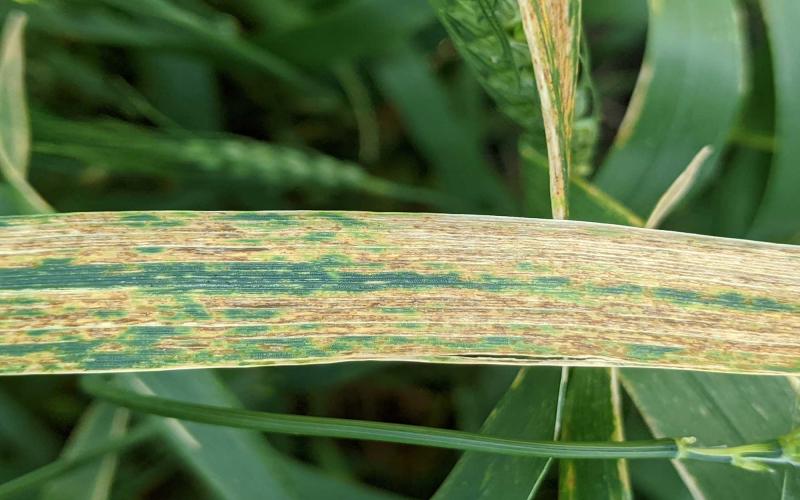
Bacterial Leaf Streak Developing at Low Level in Winter Wheat
A few winter wheat fields were found with bacterial leaf streak starting to develop at low levels. Bacterial leaf streak is usually observed starting from flag leaf growth stage. It can be severe on the upper leaves when there is prolonged leaf wetness resulting from frequent rains.
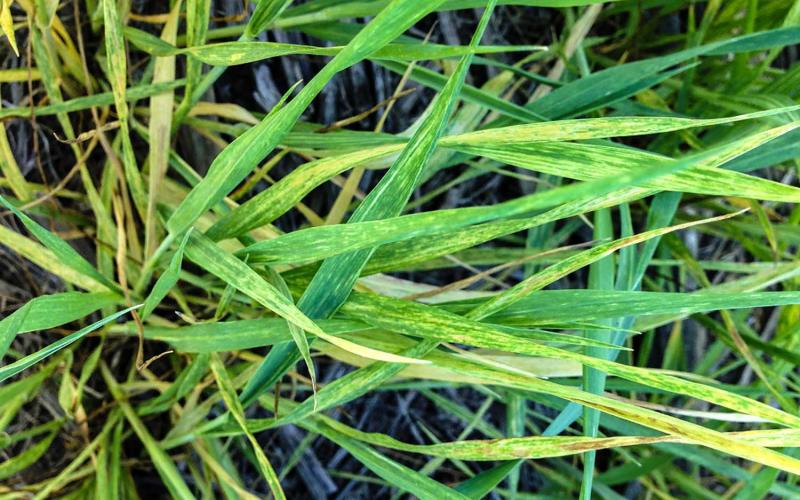
Wheat Streak Mosaic Disease Developing in Winter Wheat
Although the majority of winter wheat in the state is rated good to excellent in the recent USDA-NASS report, a few winter wheat fields in Central South Dakota have been diagnosed with wheat streak mosaic disease (WSMD) caused by wheat streak mosaic virus (WSMV).
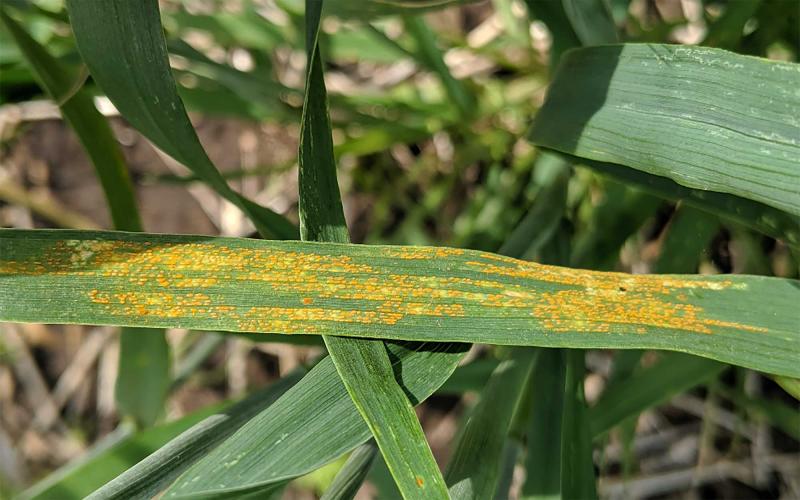
Stripe Rust Found in Winter Wheat at Low Severity
Stripe rust was observed in the crop performance trials at the Dakota Lakes Research Farm in Hughes County and at Ideal in Tripp County. At both locations, stripe rust was at a low severity.
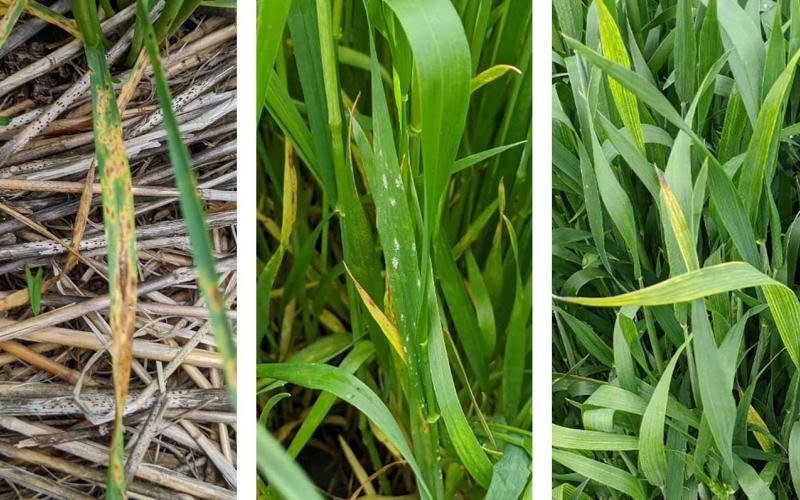
Winter Wheat Diseases Update: Fungal Diseases and Barley Yellow Dwarf Developing
Tan spot and powdery mildew as well as barley yellow dwarf were found developing at low levels in winter wheat fields scouted the week of May 24, 2020.
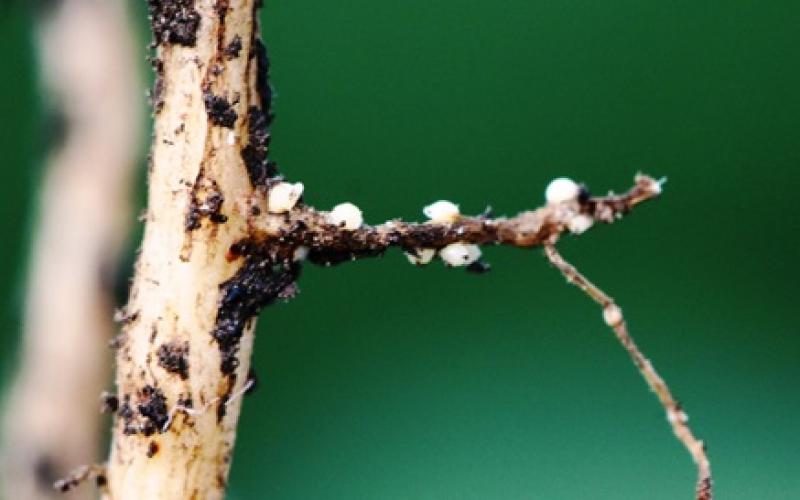
Soybean Cyst Nematode in South Dakota: History, Biology, and Management
Factsheet about Soybean Cyst Nematode history, biology and management in South Dakota
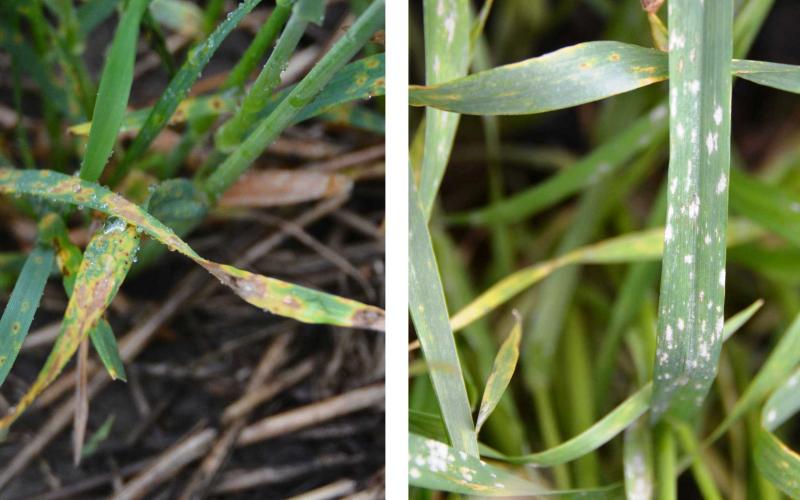
Does Early Fungicide at Tillering Result in a Profitable Yield?
Tan spot and powdery mildew pathogens are two residue-borne pathogens that can infect wheat early in the season. These diseases can lead to poor tillering, and their continued development can lead to yield loss.
2019 Wheat Field Plot Trials Summary: Fungal and Bacterial Disease Trials
This publication provides a summary of wheat trials conducted in 2019 to determine efficacy of various products in managing wheat diseases.