Content by SDSU Extension
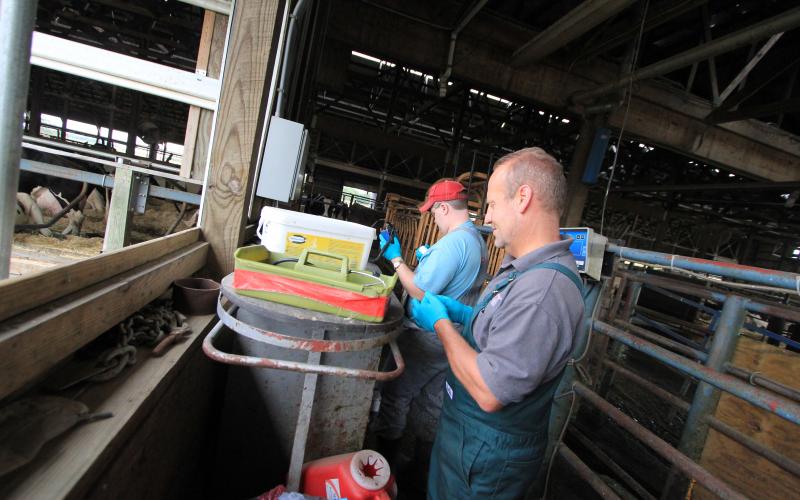
Prevention of Needlestick Injuries in Livestock Production
Within agricultural production a good share of livestock producers perform routine veterinary work themselves. This includes administering vaccinations or treatments for common disease or sickness. A result of performing this type of work there is increased risk for injury do to a needle stick injury.

Headache Help
Headaches come with a variety of symptoms and in multiple forms, but it is up to you to know your body and understand the science behind headaches and how to prevent them.
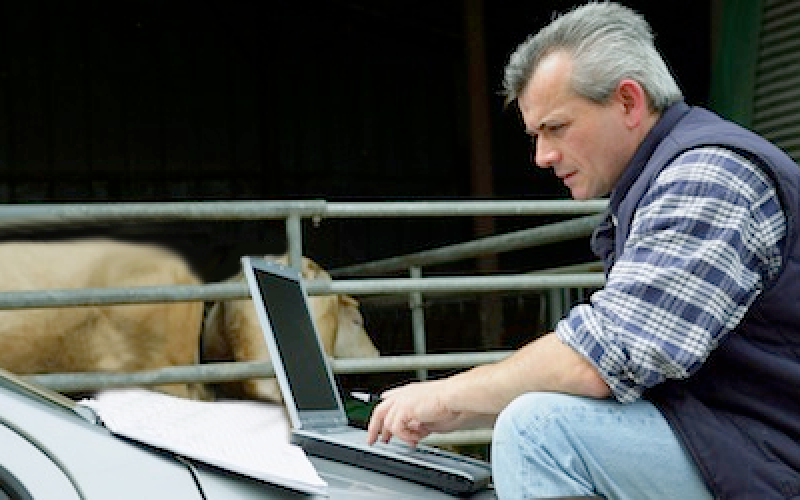
Opportunities for Open Cows
It’s that time of year when driving along the countryside or sitting in the sale barn cows start to show up with an “O” drawn on her side as the Veterinarian called her open on pregnancy check day.
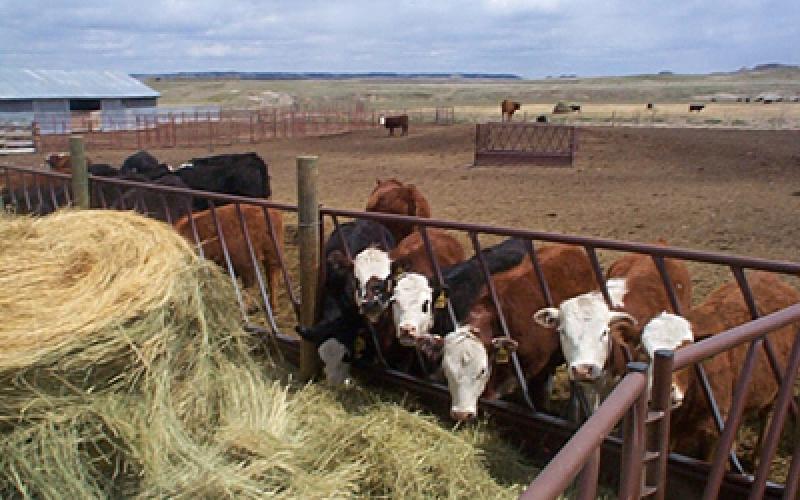
Herd Management: Keep or Cull During a Drought?
Drought forces unexpected changes so it’s critical to have a strategy to keep only the “right” females that will benefit the operation.

Canning Jar Update
Before you start canning, take some time to learn the latest canning jar safety updates, including safe jar types, lid selection and handling practices.
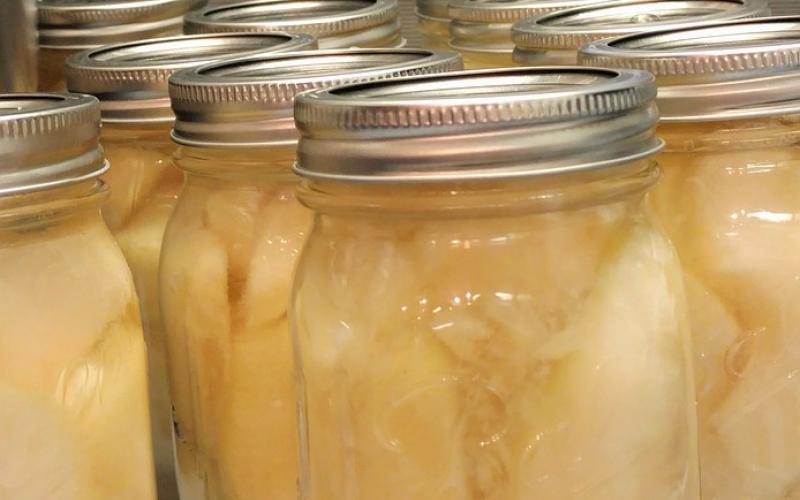
Water Bathing vs. Pressure Canning
Water bathing and pressure canning are two common ways to preserve foods by canning. These techniques use heat processing to preserve foods, and which technique you use depends on the acidity of the food.

8 Ways to Get Moving!
For those with barriers to being physically active, here are eight quick ideas to add a little more activity to your week.

Prenatals & Pregnancy
As your baby grows, so do the nutrition and supplemental needs for the expecting mother.
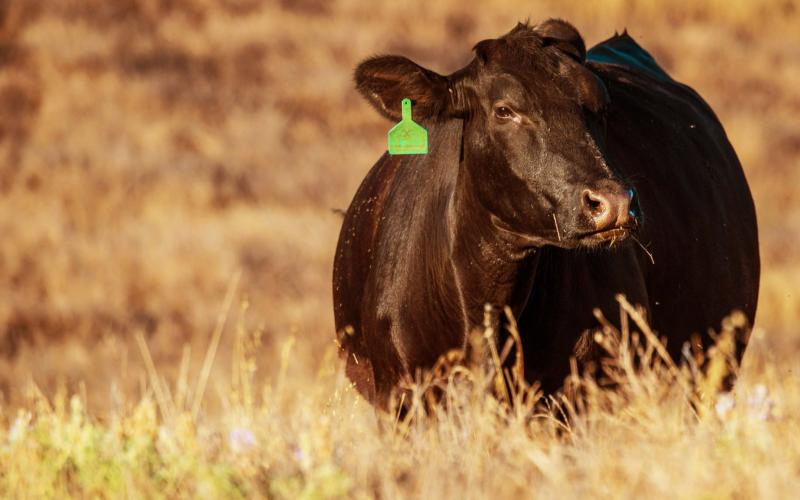
Hot Weather Challenges Beef Cattle
Hot weather conditions create challenges for grazing beef cattle.
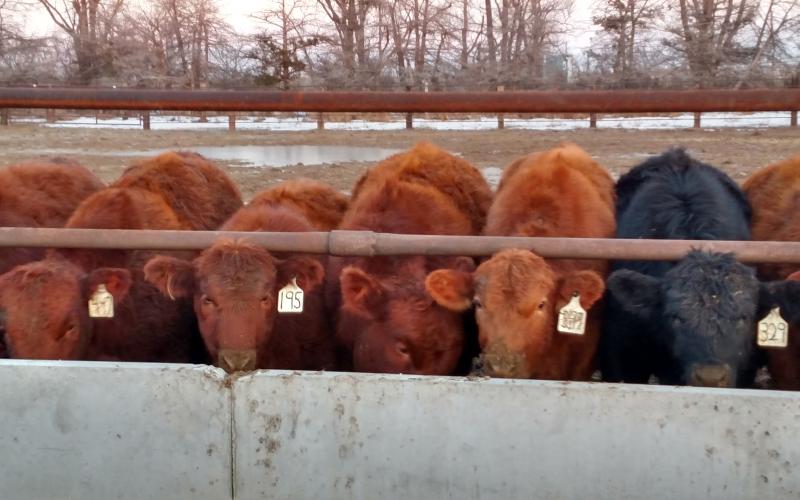
Don’t Let Dry Conditions Take a Toll on Breeding Success
If you feel pastures are not going to provide adequate nutrients to prepare cows for breeding, here are some management strategies that can be done to potentially stimulate estrus, maintain good pregnancy rates, and save some feed resources too.