Content by SDSU Extension
Late-Season Nitrogen For Soybean?
Some South Dakota soybean fields that were planted early and have had sufficient moisture have reached early pod setting stage (R3) and are looking good.
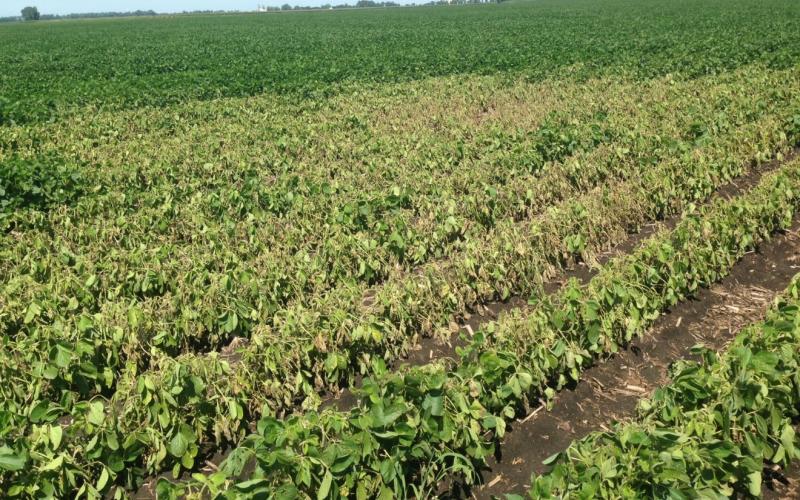
Replanting Considerations
Every season weather events such as hail or flooding can damage or destroy previously planted crops in all or in portions of fields. In May or even early June, many producers will replant these areas. As the end of June approaches, the window for replanting narrows and producers may want to do a more careful evaluation of whether or not to replant.

Marketing Hometown America
Marketing Hometown America empowers communities to create a vision to attract new residents. Designed as a tool to create dialogue that moves people toward action, the process can be the spark to help a rural community look at itself in a new way.
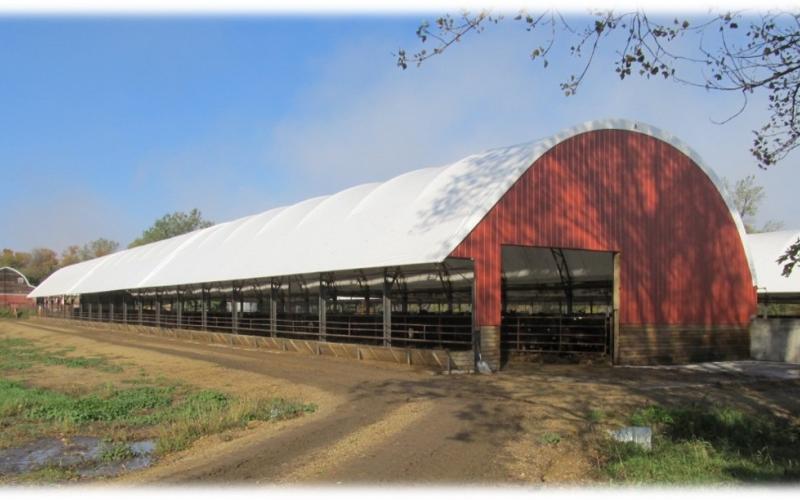
Cattle Confinement Facilities: Management Considerations
Confinement barns provide some advantages to both the animals and caregivers compared to outside pens or pasture systems.
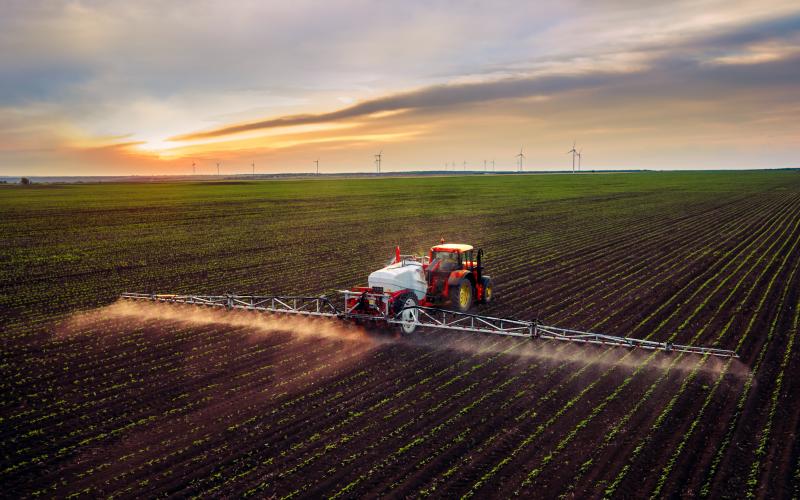
All Straight Dicamba Products Now Restricted Use in South Dakota
Starting April 30, 2018 all dicamba products that are not a mixture but instead straight dicamba are restricted use in South Dakota. This will mean all applicators will need to keep spray records of use and place of application.
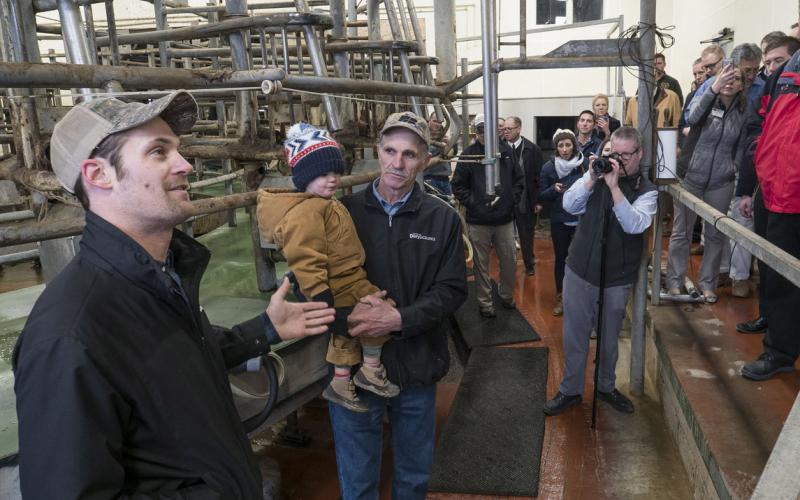
Preparing to Host a Farm Tour
Taking the time to prepare for a farm tour will result in a positive experience for those attending your farm but will also help build relationships with consumers of our products.
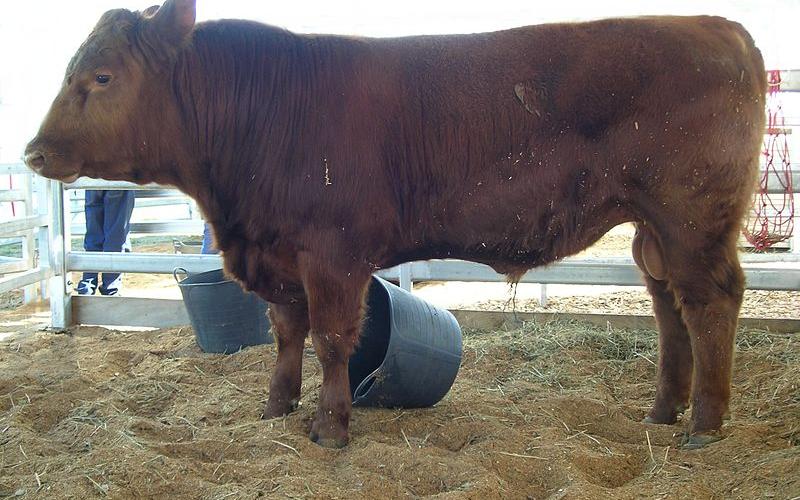
Managing Your Bull’s Fertility
Even though we might be a couple of months before the start of your breeding season, now is the time to really be thinking about your herd bulls.

Trade Impacts on Soybeans
Agricultural trade agreements were first established in the General Agreement on Tariffs and Trade (GATT), legal treaty signed initially by 23 nations in 1947. The purpose was to promote international trade by reducing barriers such as tariffs.

How Are You Empowering Others as Leaders or Employees?
You will be amazed how well people can perform as employees or leaders when you take the time to establish job expectations and then empower them to accomplish them.
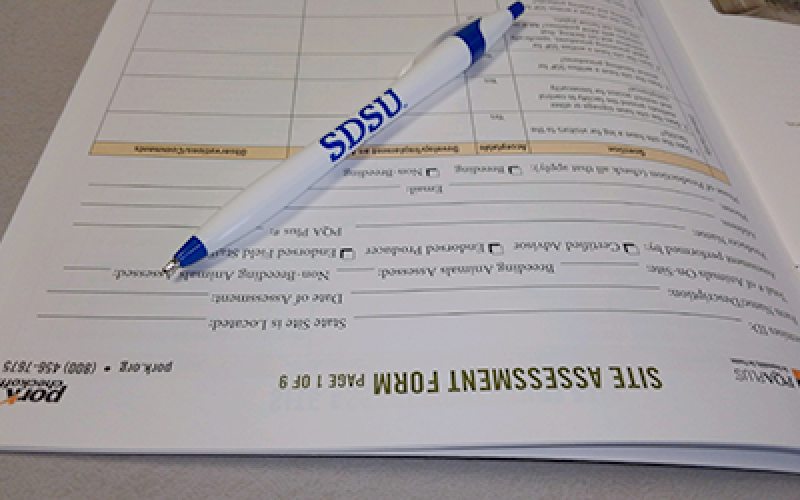
Get a Jump on Your PQA Internal Site Assessments
Spring is coming fast, so before planting gets underway take some time to conduct an internal site assessment as part of the PQA Plus Site Assessment criteria.