Content by SDSU Extension
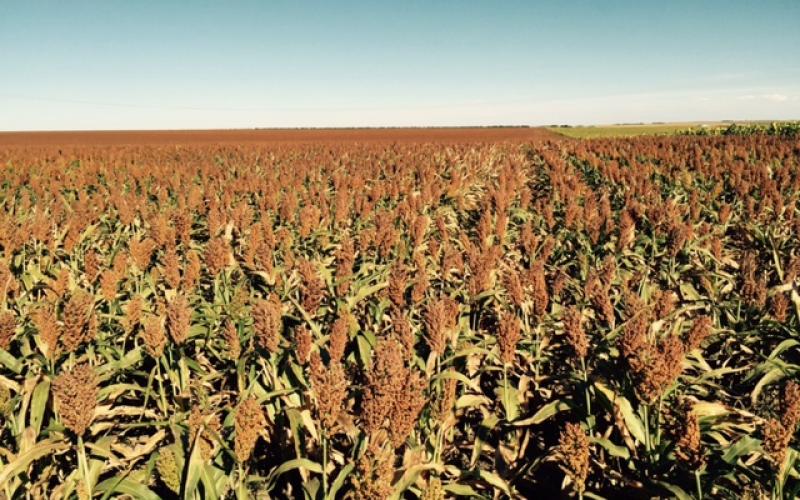
Sorghum Nitrogen Rates: Comparing recommendations from standard vs. Haney soil tests
A field scale replicated trial testing different fertilizer nitrogen rates on sorghum was conducted in Stanley County during the summer of 2016.
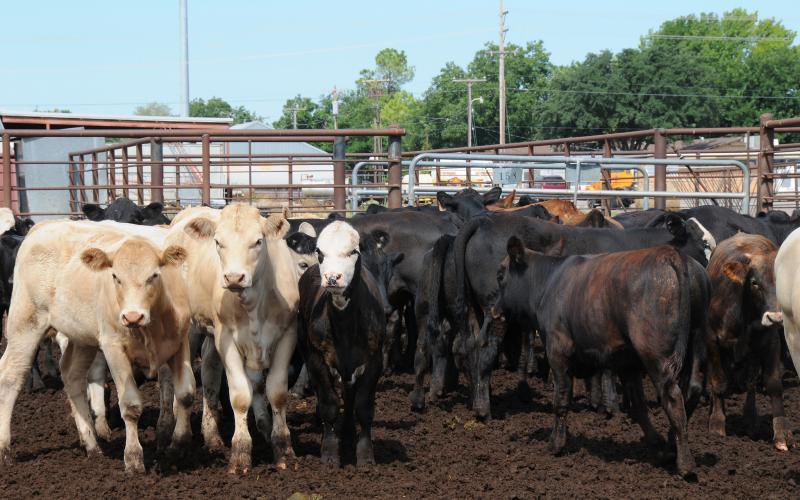
Effects of Nutrition Changes Following Artificial Insemination
When considering heifer development strategies, it may be important for a producer to consider nutritional stress from changes in the diet following breeding.

Meal Replacements: A long-term weight management solution?
The convenience meal replacements offer is appealing, but do they work for long-term weight management?
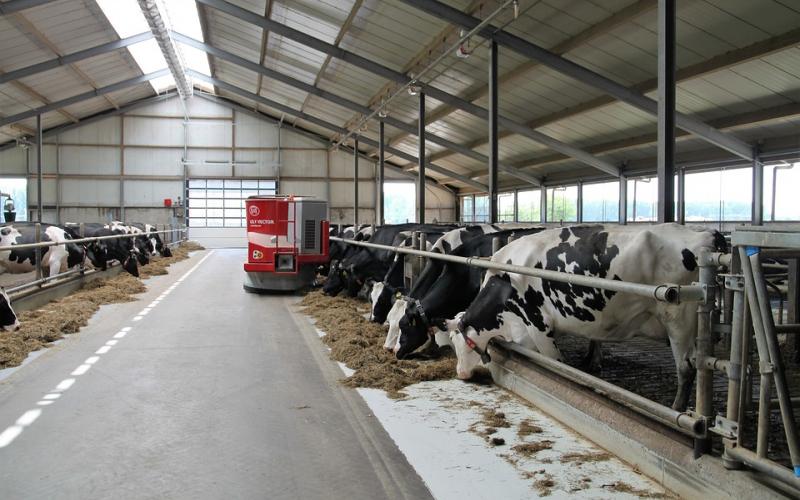
Handling Reminders for Dairies: Training Resources
Sources of handling stress are accumulative in cattle. Stockmen can have a positive impact on the amount of stress cattle experience by planning ahead and being realistic about allowing adequate time to get things done well.

Healthy Sleep and Shift Work
Learn how to overcome a few common barriers that may impact your ability to achieve restful sleep when working a non-traditional work schedule.

A Busy, Healthy Week
Life gets busy; it is a (non-scientific) fact. Somewhere in between getting kids to school, working, picking kids up from school, and driving kids to extra-curricular activities you have to figure out what to feed your family. After a long day, convenience is priority. Although eating out or grabbing some fast food may seem like the easiest option at night, preparing meals at home is a healthier and more affordable solution.
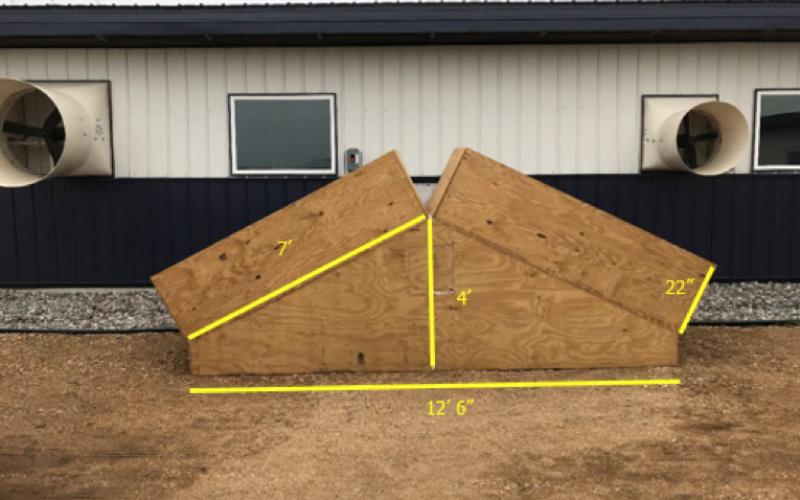
Slanted Bed Biofilter Construction: Lessons learned at the SDSU wean-finish unit
This article outlines the design considerations and cost to construct a slanted bed biofilter for a pit fan on the new South Dakota State University Swine Education and Research Facility wean-finish unit.

Getting Your Five Cups
“Eat your fruits and veggies!” You have probably heard this saying since you were a little kid and perhaps you are now telling your kids to do the same. There is a reason we are encouraged to eat our greens from a young age; these colorful foods are full of vitamins, minerals, and fiber. The USDA recommends adults consume two cups of fruits and three cups of vegetables per day.
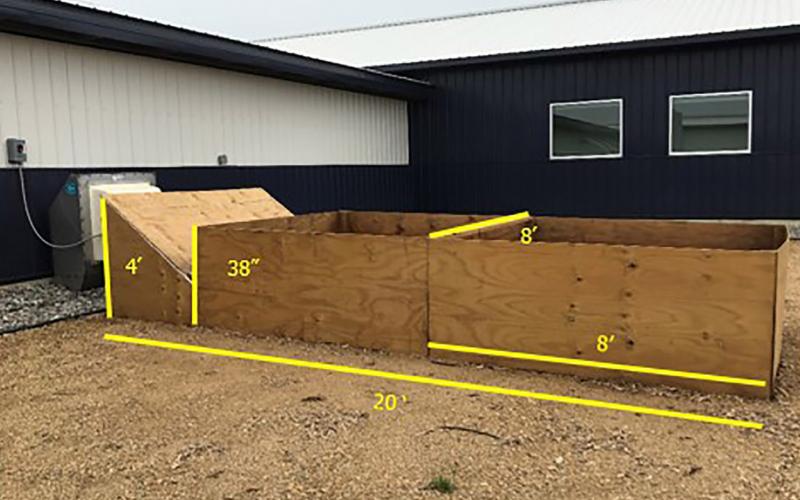
Horizontal Bed Biofilter Construction: Lessons learned at the SDSU gestation unit
This article outlines the design considerations, experiences and cost to construct a horizontal bed biofilter for a pit fan on the new South Dakota State University Swine Education and Research Facility gestation room.
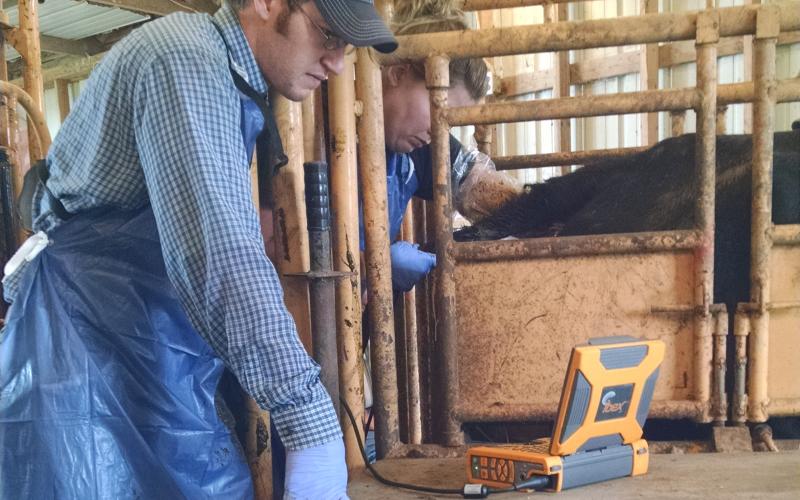
Putting the Preg Check Results to Work
Pregnancy check day is one of the most important days on the ranch as it is the day when we find out what cows are pregnant and how many calves we can expect come calving season. So now that the veterinarian has left the yard and the open cows are sorted off, what’s next?