Content by SDSU Extension
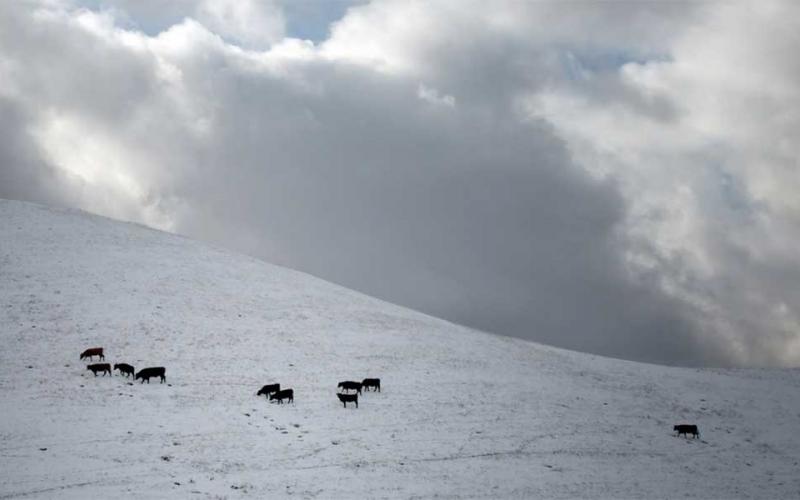
Rotational Grazing During Winter
Winter feed represents one of the largest costs for a livestock production enterprise. Grazing pasture that has been stockpiled for winter use is a rational alternative to limit costs resulting from both harvest and feeding of hay.

Using Your Breath
The way we breathe can have positive or negative impacts on our health. If you find that moments throughout your day are marked by stress, the following breathing strategies may be techniques to try.
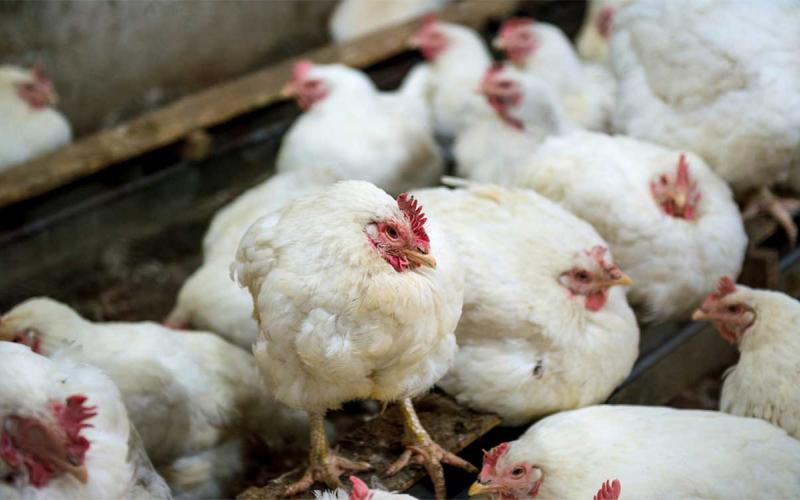
Importance of Chicken Infectious Bronchitis Virus: Q&A
Infectious bronchitis virus (IBV) is a coronavirus that infects chicken flocks, causing respiratory disease. Some IBV isolates can result in a kidney disease (nephritis). Drop of egg production in laying hens is an important sign for IBV infection.
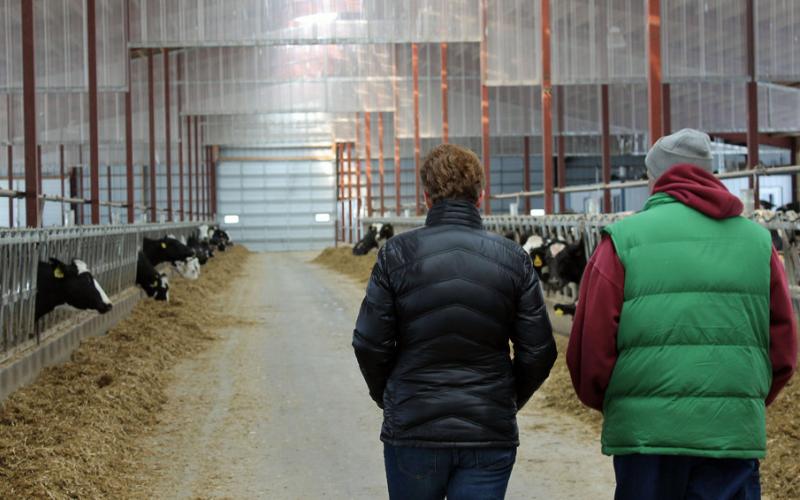
Emergency Preparedness on Dairies
Being prepared for an emergency on your dairy can significantly improve recovery time from an unexpected incident.

Civil Rights
SDSU Extension is an equal opportunity provider and employer in accordance with the nondiscrimination policies of South Dakota State University, the South Dakota Board of Regents and the United States Department of Agriculture.
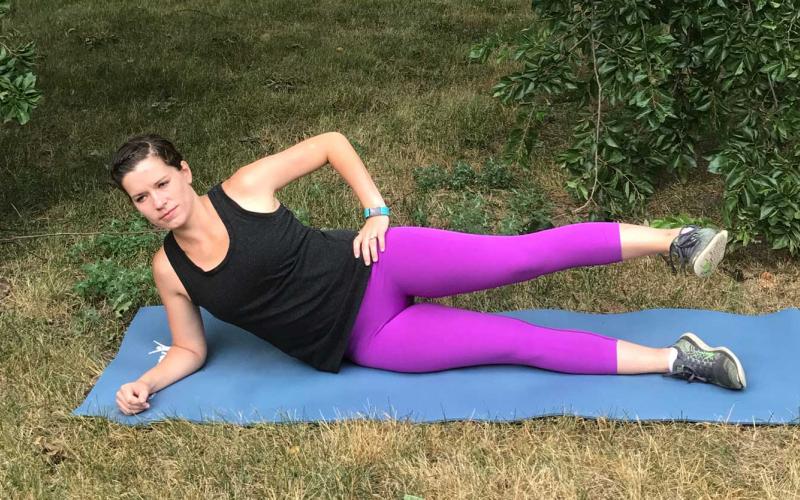
Build Strength Without Using Weights!
Good news! You can use your own body weight to help build strong muscles and bones, no equipment needed!

Bountiful Backpack
Use this program to help participants develop cooking, food safety, and recipe preparation skills for its participants.
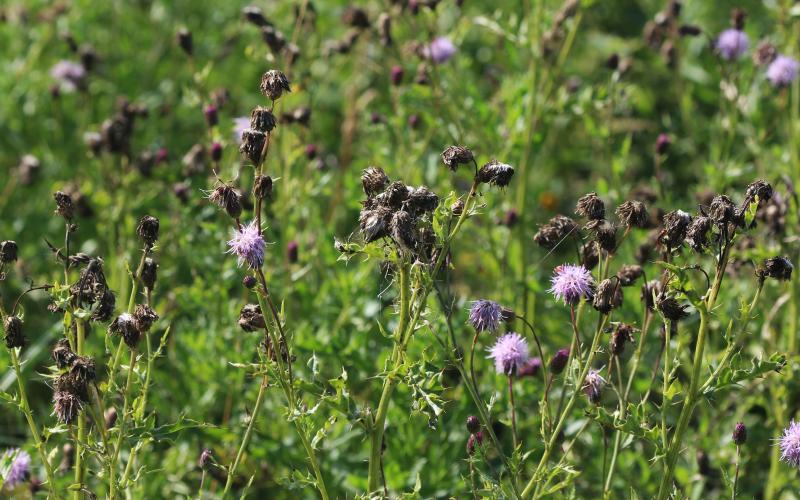
Fall Noxious Weed Control
Fall weed control can give the best weed control, but it also can be a poor time. If the noxious weeds were sprayed or clipped earlier this summer, and there is good weed growth now, this would be an excellent time to spray these weeds and get a good kill.
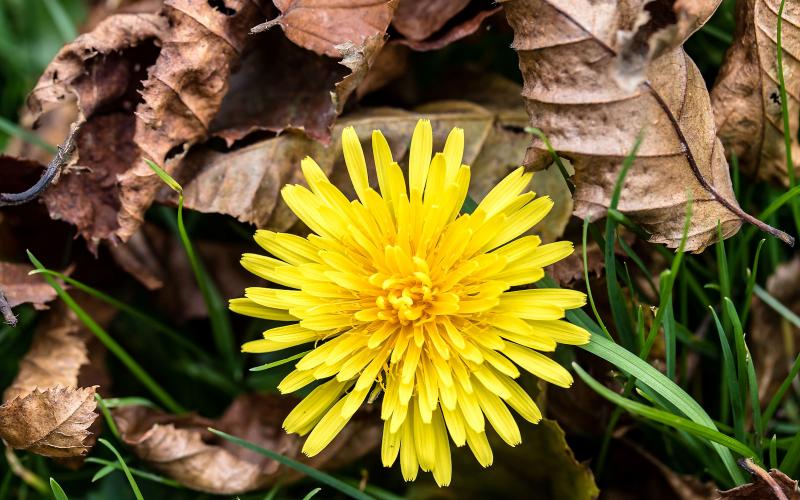
Fall Lawn Weed Control
Fall is the time to control tough perennial broadleaf lawn weeds. The target weeds in the fall are dandelion, ground ivy, creeping bell flower, field bindweed and white clover.

Five Individuals Selected for Induction into the South Dakota 4-H Volunteer Hall of Fame
January 09, 2023
A group of five individuals has been selected for induction into the South Dakota 4-H Volunteer Hall of Fame.