Content by Nick Volesky
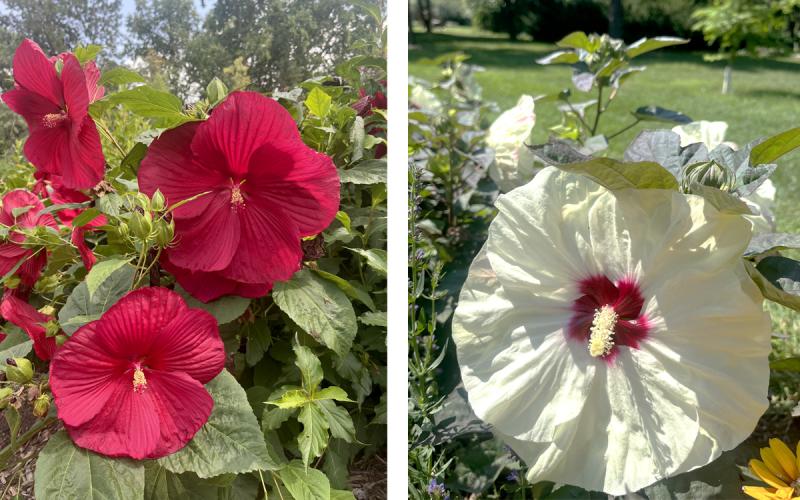
Hardy Hibiscus
Hardy hibiscus is a showstopping perennial that can bring huge, colorful flowers to gardens. Unlike the tropical hibiscus, which is commonly sold for patios and containers, hardy hibiscus can survive South Dakota winters when the right variety is selected and planted in an appropriate location.

Rosebud Cut Flower Workshop
SDSU Extension, in partnership with the Rosebud Garden Society, will be hosting a Cut Flower Workshop on September 29 from 5:00-7:00 p.m. at the Todd County Fairgrounds (28451 83, Mission, SD 57555).
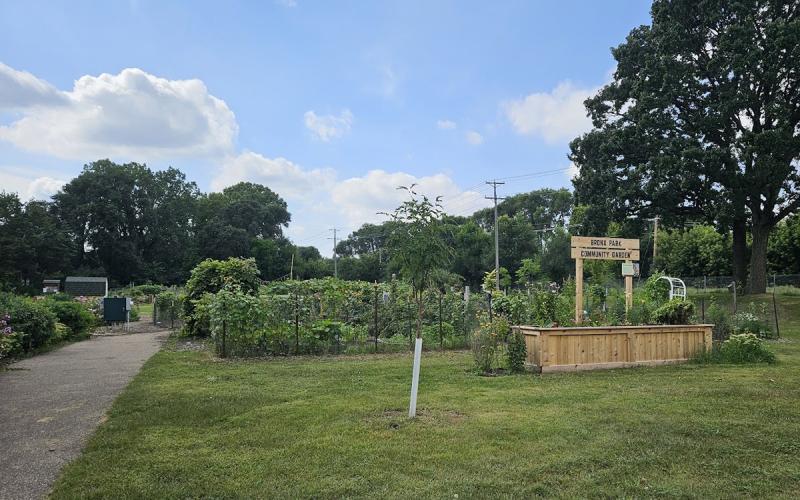
Starting a Community Garden
Community gardens or farms can support the overall well-being of the people in your region. Starting or participating in a community garden can be a great opportunity to learn new skills, grow food, and cultivate community!
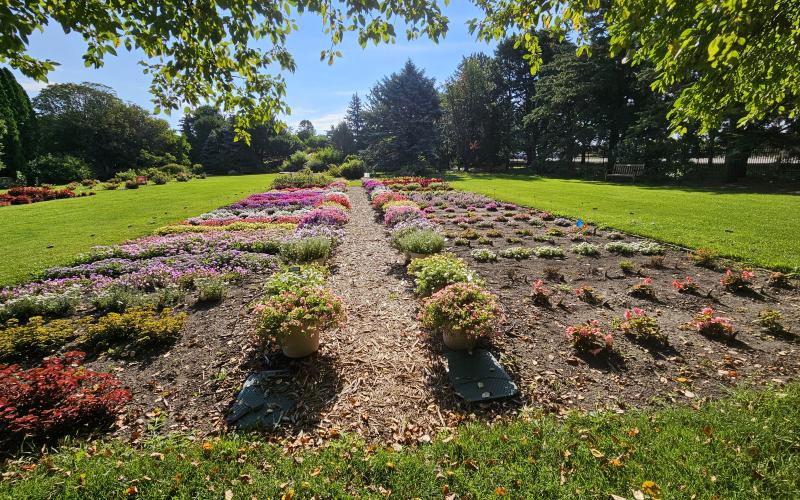
Garden Hour
SDSU Extension's Garden Hour will return as a limited series during the fall and winter months, occurring every other month.
Garden Hour
SDSU Extension's Garden Hour will return as a limited series during the fall and winter months, occurring every other month.
Garden Hour
SDSU Extension's Garden Hour will return as a limited series during the fall and winter months, occurring every other month.

A Surge in Spurge
Spotted spurge is a common, drought-tolerant weed known for its prostrate growth pattern, meaning it grows lying flat on the ground. This is one of the most-difficult weeds to control in lawns, gardens, and landscaping.
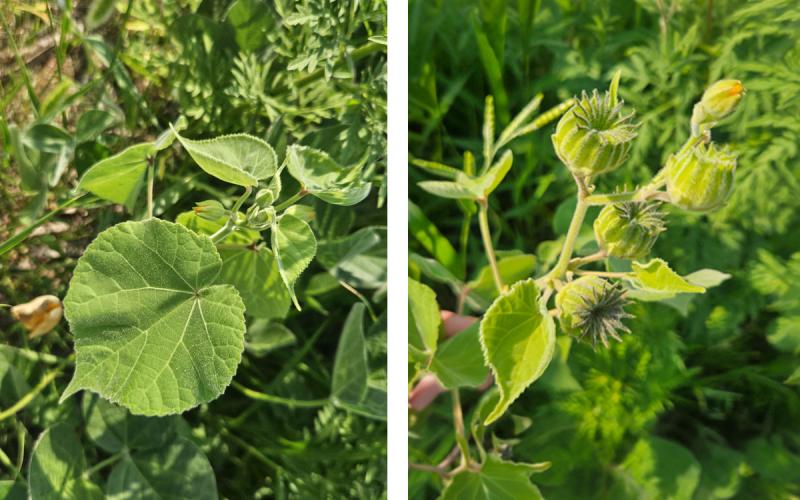
What is Velvetleaf?
Velvetleaf is a large weed with soft leaves that’s normally associated with corn and soybean fields. However, we’re hearing more gardeners and specialty crop growers reporting its presence.

Heat and Drought Effects on Cut Flower Production
Climate factors, such as drought and high temperatures, continue to pose serious challenges for specialty crop production, including cut flowers. With these challenges, farms need to take a hard look at both their business strategies and production decisions.

Frost and Freeze Impacts on Plants
Farmers and gardeners often use the terms frost and freeze interchangeably, but the two are not the same. Understanding these differences, along with the ways frost and freeze impact spring planting, can help protect farms and gardens.