Written by Beth Fredrickson, SDSU Extension Horticulture Assistant, under the direction, contribution, and review of Robin Buterbaugh and Nick Volesky.
Does your community have a community garden? Community gardens are sites where individuals or groups share a space and responsibility to grow plants; usually a small fee may be involved in defraying costs. Community gardens are often organized by city governments, non-profit groups, or other businesses or organizations (churches, etc.). They have been around for centuries, but there are many things to think about before you start one.
History

Throughout history, community gardens have shifted in purpose and structure, serving as tools for self-sufficiency, resource sharing, and community development. In the America’s, some Indigenous tribes gardened as a group, with each family preparing the soil and planting the seeds and then communally guarding the plots from predators (Wilson, G. 1917, reprinted 2005; Levin, A. 2022).
In Great Britain, allotments grew out of earlier communal land practices and gradually shifted into privately managed plots. In the United States, organized community gardening gained momentum in the late nineteenth century as a practical response to economic hardship. Programs such as Detroit’s “Potato Patches” supported unemployed residents and immigrant families by creating opportunities to grow food and build self-sufficiency.
During the Great Depression, community gardens were often supported by local governments or nonprofits. This helped unemployed individuals grow food while also creating a shared space for social connection. During the world wars, Great Britain promoted “Victory Gardens,” and the United States similarly promoted “Patriotic Gardens,” both intended to boost homegrown produce and reduce reliance on commercial agriculture. One estimate suggests that these efforts accounted for about 40% of the produce grown in the United States during that period (Kendall, S. 2020).
Community gardens again had prevalence in the 1960’s and 1970’s as people explored self-help, civil rights, and the environmental movement. Americans’ concern regarding chemical additives and processed foods, which continues into the present day, along with rising food costs caused a resurgence in raising home produce. In 2018, the Public Land Trust estimated that there were approximately 29,000 community gardens in city parks in the one hundred largest cities alone (Trust for Public Land, 2018). More recently, the shortages caused by the COVID-19 pandemic increased the desire to garden. Many people started gardening for the first time not only for the benefits of produce but also as way to improve physical and mental health as well as the ability to socialize without the dangers of spreading germs (Marwah et al, 2024).
Benefits
- Home-cultivated fruits, vegetables, herbs, and flowers may have more nutrients and last longer (Buckman, S. 2025). Approximately 7-15% of food is wasted during transportation because of improper temperature, length of time in transit and mishandling of produce (International Finance Corporation, 2024).
- Urban green spaces enhance the aesthetic appeal, contribute to cooling in urban heat sink areas, and foster community engagement (Boston Urban Gardeners,1983).
- In areas affected by food deserts or food insecurity, community gardens can help improve access to fresh, affordable produce.
- According to the National Gardening Association estimates from 2008, an average well-maintained food garden yields a $500 return when considering a typical gardener's investment and the market price of produce (Trust for Public Land, 2018). As prices have increased, so has the value of gardens.
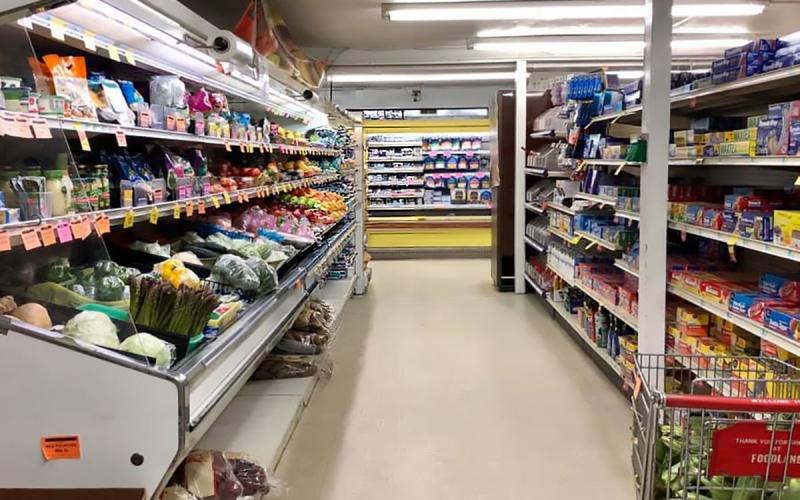
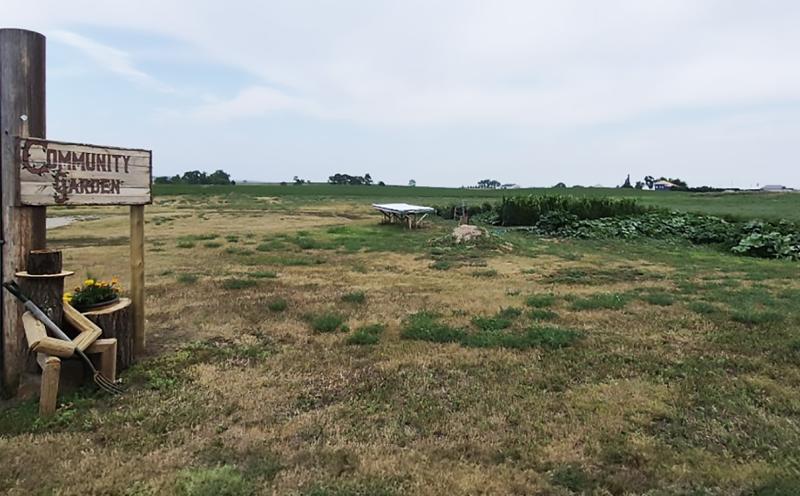
- Pollock, SD, population 241, is 25 minutes away from the closest grocery store and is a perfect example of a food desert. Individuals in their community saw the need and worked together as a group to start a community garden.
- Gardening can improve relationships between age groups by connecting youth with older adults, exchanging knowledge and stories (Shedd, M. and Blastic, A., 2021)
- Removing a vacant lot and filling it with a living landscape can help revitalize neighborhoods, improve public safety, and increase emotional health (Boston Urban Gardeners, 1983).
- Some community gardens can include green stormwater infrastructure, which reduces erosion, cleanses stormwater runoff, and may be used as a water source. (Greening Projects, 6-21-2026).
- Gardening promotes physical activity by encouraging regular movement through tasks such as planting, tending, and harvesting crops (Huffman, E. 2025).
Starting a Community Garden

Although community gardens offer numerous benefits, they also present challenges that organizers must recognize, address, and prepare to manage effectively.
Municipalities and Local Governments
Cities and other local governments vary in their responses to requests for community gardens.
- City regulations will occasionally not permit community gardens as it may cause competition for local grocers, though this is not common.
- Informal garden groups (sometimes called “guerrilla gardeners”) turn neglected public lots into usable green spaces. Individuals may remove waste and other hazards, establish and maintain garden sites, and contribute to neighborhood improvements that may increase surrounding property values. However, when publicly owned lands become more valuable, municipalities may choose to sell or repurpose these spaces. Although such actions may be legally permissible, they can create tensions between community members and local authorities. In some cases, the removal of community gardens may also reflect broader conflicts related to land-use priorities and local decision-making.
- A more supportive approach by city governments involves actively encouraging community gardens through the leasing or donation of underutilized public land to gardening organizations. These partnerships are often established through formal agreements with nonprofit organizations that oversee garden operations and manage individual plots for community use. In other cases, municipal Parks and Recreation Departments may support community gardens by incorporating them into programming that promotes seasonal activities, education opportunities, and community engagement.
- Investigate your city's zoning codes and municipal/city ordinances before beginning. These can sometimes be found online. Another resource for finding these garden specific laws could be the city planning department, zoning office or parks and recreation department. This is a great way to avoid inadvertent violations and fines. Some cities even publish a gardening guideline pamphlet or book.
Organization
The first step in community garden organization is to gather interested community members and ask questions, such as:
- Is there a need or want for a garden?
- Can you work with your city or other organization for access to land for the garden?
- Is there water accessible in the garden, and if not, is it possible to get water?
- Will there be a cost associated with land use and water access?
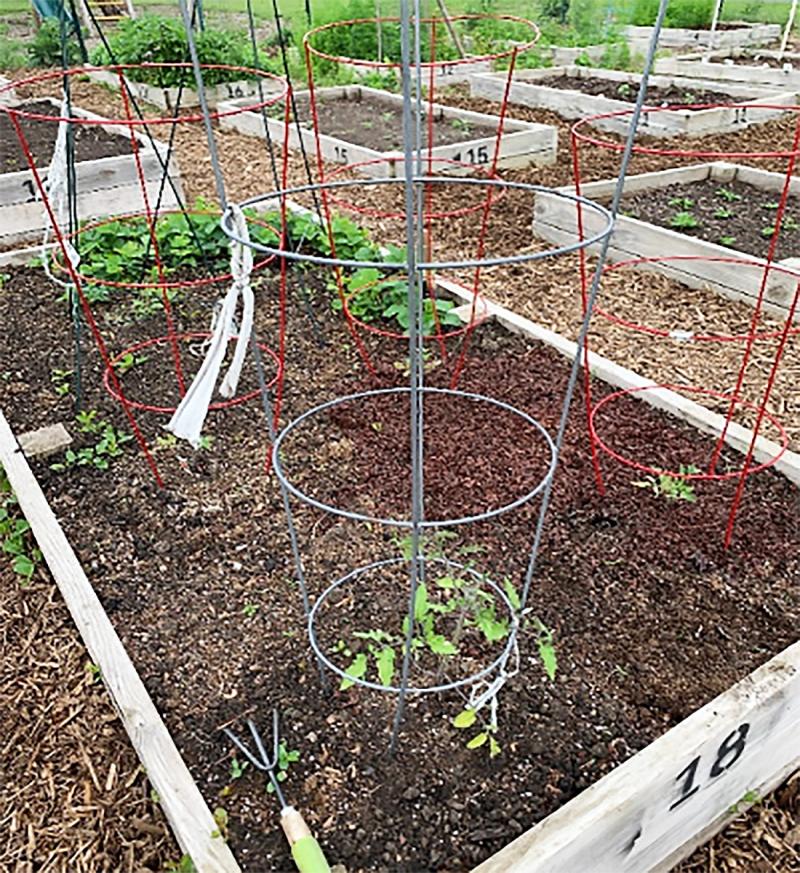
To have a place for a community garden someone must donate or purchase a space for it to exist. In some communities, the city donates the land and water for the community garden. Once you have a location determined, you will need to decide how to administer the garden. In some communities, the Parks and Recreation Department oversees the gardens and maintenance, but in other locations community members form a board or committee to oversee the garden. If the City does not oversee the garden, the board will need to decide the following:
- Are you going to write a mission and vision statement?
- What goals do the participants want to achieve?
- Is it to be a community gathering space or will it be for individual families to grow additional foods.
- Revitalize an urban landscape?
- Teaching gardens for the public?
- Will the garden consist of individual plots, or shared space?
- Will there be a fee to have a plot or to participate?
- What will be grown?
- Who is going to harvest?
- Who will clean up the plots at the end of the growing season?
- What happens when someone does not control the weeds that sprout on any given plot?
- What about plot abandonment?
- Do you wish to have a till or no-till community garden?
- What happens when someone steals produce or plants?
- Is the garden going to be an organic garden?
- Consider if pesticides (insecticides, fungicides, or herbicides) will be permitted on the premises. Views and beliefs about pesticide use will vary drastically between gardeners. Notes that some individuals may have physical sensitivities to products active ingredients. If allowed, ensure applicators follow all pesticides safety guidelines (PPE, appropriate timing) and are responsible for reading the product label.
- Will there be a ‘Pack in, pack out’ policy?
Some of the next steps will be notifying interested parties by posting a free public service announcement with local newspaper, radio or other social media platforms, organizing meetings, and constructing a contract between the gardeners and the person/persons in charge of the garden. This contract should be a basic list of “dos and don’ts” for considerate behavior, guidelines, and consequences.
Funding
Funding can be obtained through donations, fund raisers and grants applied through cities, states, federal governments, foundations, and non-profit organizations. Nominal fees from the people renting plots can also offset costs.
Knowledge
Although gardening knowledge expands over time, successful cultivation can begin with a basic understanding of essential gardening practices. Start with easy, reliable crops for your area, hardiness zone and season duration.
- Learn basic soil health, spacing, and irrigation requirements.
- Trade tips with other gardeners and share what works.
- Use local classes, extension resources, or community workshops when available.
With just a few basic tools, you can plant your first crop. While gardening is not effortless and does require time and work, the rewards make it well worthwhile.
In Summary
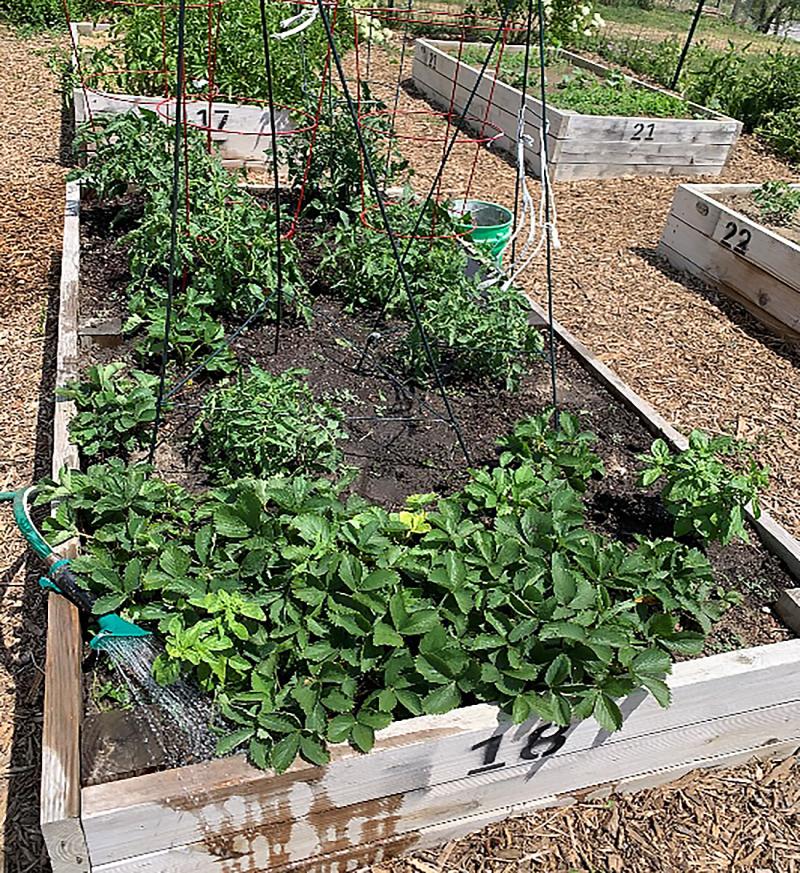
Starting a community gardening can be an exciting endeavor. Many people love the idea and support the growth of unending variety of plants, people, gardening plans, and the diverse ways they can intermingle. Community gardens or farms can support the overall well-being of the people in each region and starting or participating in a community garden in your area can be a great opportunity to learn new skills, grow food, and cultivate community!
References
- Wilson, G. (1917, reprinted 2005), Native American Gardening: Buffalobird-Woman’s Guide to Traditional Methods.
- Levin, A. (2022), Gardens that Nurture Culture.
- Kendall, S. (2020). Time for Victory Gardens Again?. Agricultural Research Service, U.S. Department of Agriculture.
- Boston Urban Gardeners (1983), A Handbook of Community Gardening.
- Marwah et al, (2024), Impact of Covid-19 on Consumer Behavior in Home Gardening.
- Buckman, S. (2025), Gardening Helps Promote Good Nutrition and Healthy Relationships with Food.
- Trust for Public Land (2018), Here’s the dirt on park trends: community gardens are growing.
- International Finance Corporation (2024), IFC Food Loss and Waste Prevention Advisory for Transport & Logistics.
- Garden Pals, Community Garden Statistics in 2024 (Latest U.S. Data).
- Shedd, M and Blastic, A (2021), Growing the Next Generation: Grandfriends and Gardens.
- Greening Projects, (6-21-2026), How do Community Gardens Improve Urban Stormwater Management.
- Huffman, E. (2025), Gardening For Body and Mind.
- Kingsley J, Diekmann L, Egerer MH, Lin BB, Ossola A, Marsh P., Experiences of gardening during the early stages of the COVID-19 pandemic.