Content by Stephen Robertson
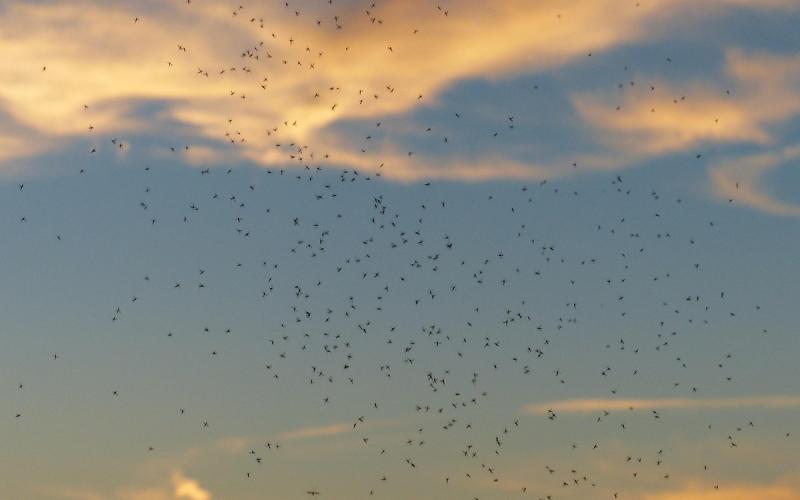
West Nile Virus Update: September 26, 2025
As of September 26, 2025, the South Dakota Department of Health (SD DOH) reported 74 human cases of West Nile Virus from Aurora, Beadle, Bon Homme, Brookings, Brown, Charles Mix, Clay, Codington, Corson, Douglas, Grant, Gregory, Haakon, Hamlin, Hand, Hughes, Hutchison, Hyde, Lawrence, Lincoln, Marshall, Meade, Miner, Minnehaha, Pennington, Roberts, Sanborn, Spink, Stanley, Union, Walworth, and Yankton counties.
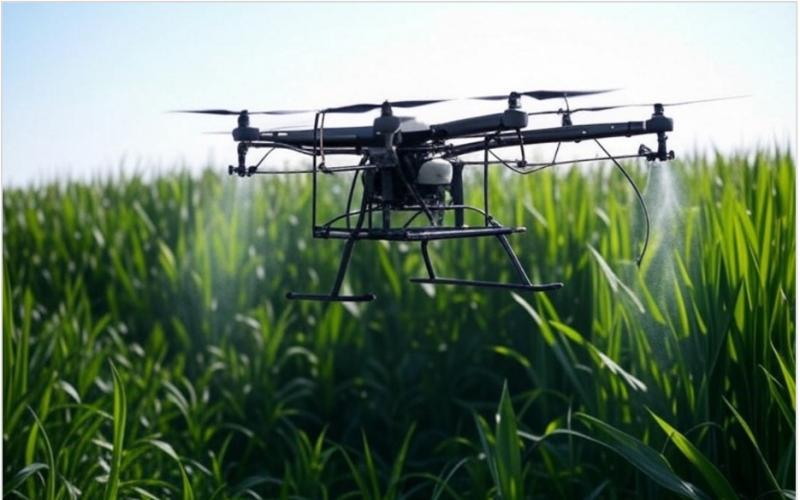
Required Licensing For Applying Pesticide Using Spray Drones
Fact sheet for South Dakota stakeholders wanting to get certified to apply pesticides with a spray drone.
West Nile Virus Update: September 10, 2025
As of September 10, 2025, the South Dakota Department of Health (SD DOH) reported 59 human cases of West Nile virus from Beadle, Bon Homme, Brookings, Brown, Charles Mix, Codington, Corson, Grant, Gregory, Hamlin, Hand, Hughes, Hutchison, Hyde, Lawrence, Lincoln, Marshall, Meade, Miner, Minnehaha, Pennington, Sanborn, Spink, and Walworth counties.
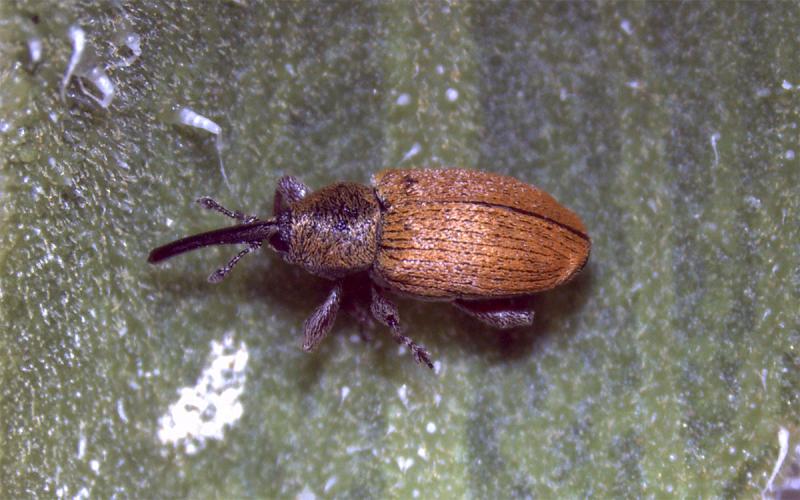
Did Malathion Effectively Manage Your Red Sunflower Seed Weevils?
Now that the August 31 deadline for the application of products containing malathion for red sunflower seed weevil management has passed, it is time to determine if the product was effective. South Dakota State University entomologists have received varying reports on this topic.
West Nile Virus Update: September 3, 2025
As of August, the South Dakota Department of Health indicated that West Nile Virus positive mosquito pools have been detected in Beadle, Brookings, Brown, Codington, Hughes, Lincoln, and Minnehaha counties.
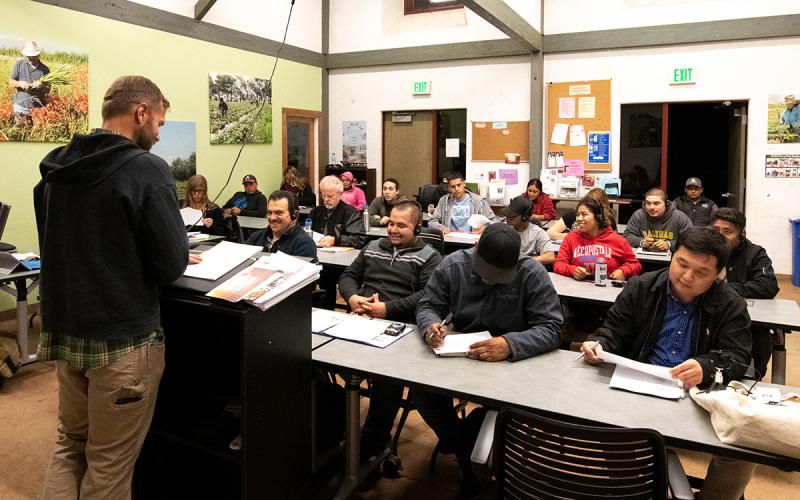
South Dakota Commercial Pesticide Applicator Certification Testing
New commercial pesticide applicators and those that have allowed their licenses to lapse must pass commercial pesticide applicator exams to receive certification. Learn about some some helpful resources, contacts, and tips to help you be successful in your certification testing.
EPA Proposes a Decision to Approve Registration for Dicamba Labeling to Be Applied to Tolerant Soybean
Dicamba products previously labeled for overtop application to tolerant soybean are not registered for use during the 2025 growing season. However, the EPA has proposed to re-register these dicamba products for use in tolerant soybean starting in 2026.
Update on Chlorpyrifos Use in South Dakota
As of June 30, 2025, the labeled uses for chlorpyrifos products for food and feed are limited to alfalfa, soybean, and wheat in South Dakota. Chlorpyrifos can no longer be used to treat sunflowers.
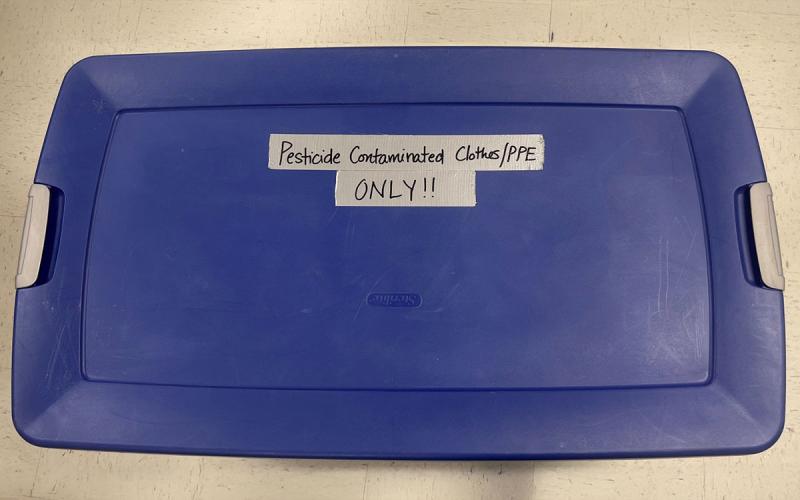
How to Properly Launder Pesticide Contaminated Clothing
Many types of personal protective equipment are intended for single use only and should be discarded after use, but how do you wash reusable equipment and clothing contaminated with pesticide residue?
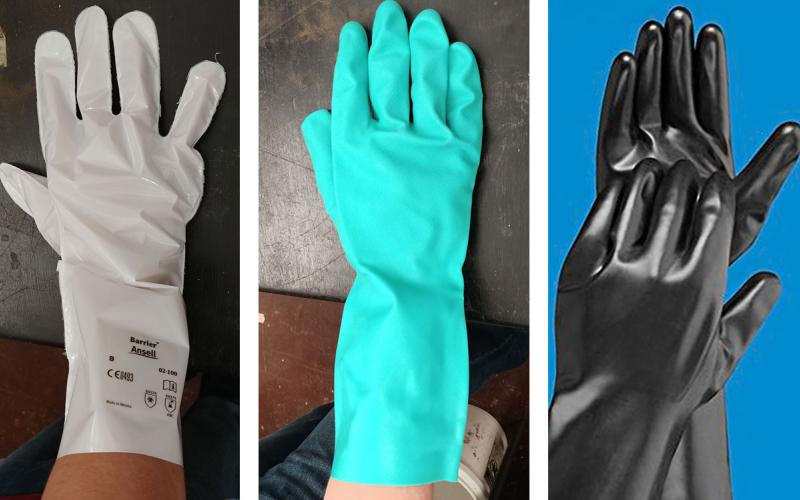
Pesticide Personal Protective Equipment: Glove Selection
Safety gloves are one of the most-important pieces of pesticide personal protective equipment. Glove material is very important, as not all materials provide the same protection for different pesticide ingredients.