Content by Matthew Elliott
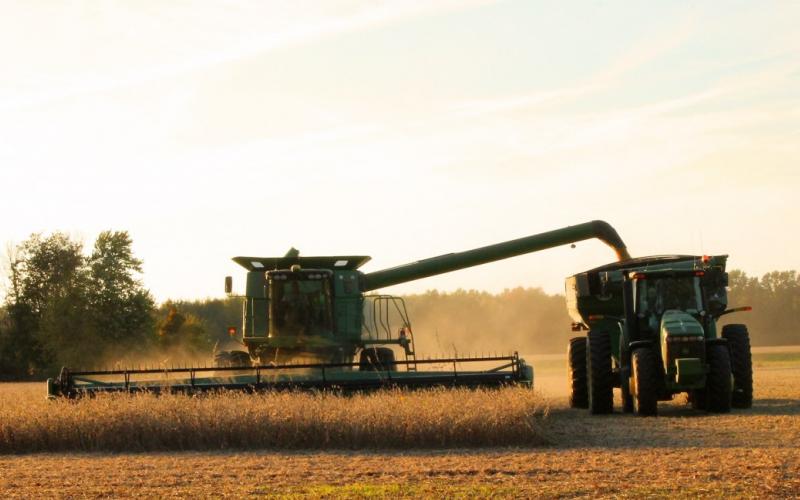
Evaluating the Economic Consequences of Possible Section 199A(g) Expiration of Agricultural Cooperatives in the Upper Midwest
A comprehensive evaluate of the potential economic impact of Section 199A(g) deduction sunsetting on agricultural cooperatives and rural communities.

The Economic Impact of Cooperatives in South Dakota
This report estimates the economic impact of cooperatives in South Dakota in 2022. The report’s estimates are based on an input-output analysis from a South Dakota State University (SDSU) survey of cooperatives operating in South Dakota conducted in June of 2023.
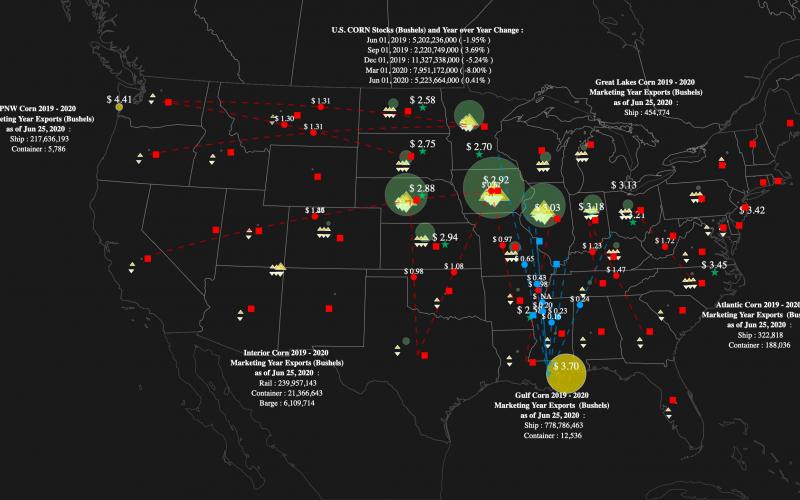
Interactive Grain Report Tool
The SDSU Extension Interactive Grain Report Tool is a comprehensive, real-time agricultural market intelligence platform providing detailed analysis of U.S. grain markets, biofuels production, fertilizer markets, and transportation infrastructure.
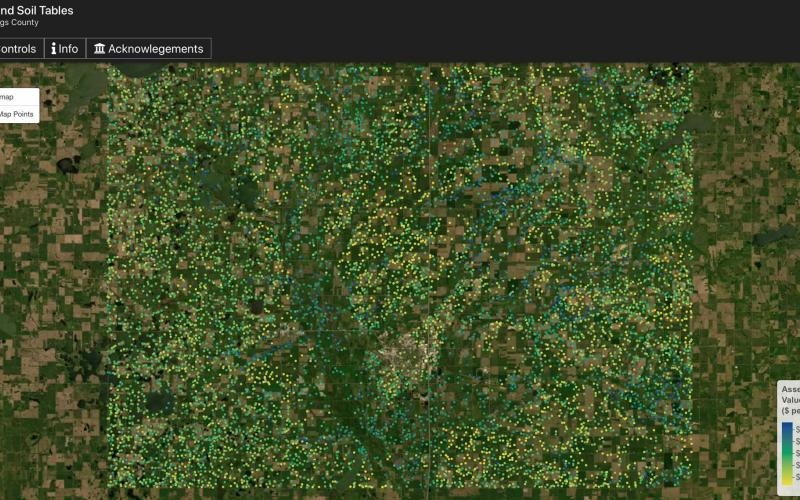
South Dakota Agricultural Land Soil Productivity Tool
The Ag Land Soil Tables Tool allows users to view soil data and download data by county to further understand the soil rating system. It can help appraisers make baseline agricultural land assessments and determine if adjustments from baseline are needed.
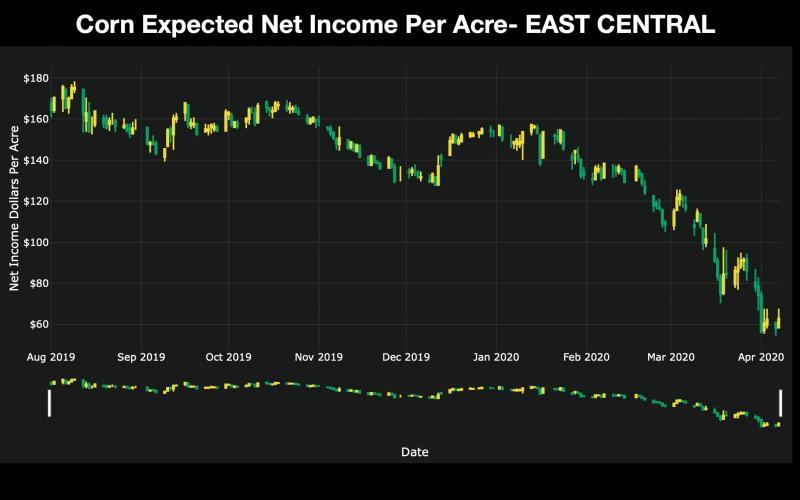
South Dakota Grain Net Income Tool
South Dakota producers can use the SDSU Extension Net Income Tool to monitor their expected net income per acre given their location, commodity of interest, and changes to market prices. The tool gathers the most-recent end-of-day market prices to determine the latest expected net income for wheat, corn, and soybeans in the different regions of the state.

Ag Land Assessment
The Ag Land Highest and Best Use (HBU) study was funded by a special appropriation in the 2016 Legislative Session (HB1007).
USDA-ARMS Survey Data: Benefits for university agriculture research & outreach
Conducted since the mid-1990s, the USDA Agricultural Management Resource Survey (ARMS) is a multi-phase, multi-level nationwide survey of agricultural producers that collects information on a large sample of farms and their characteristics.
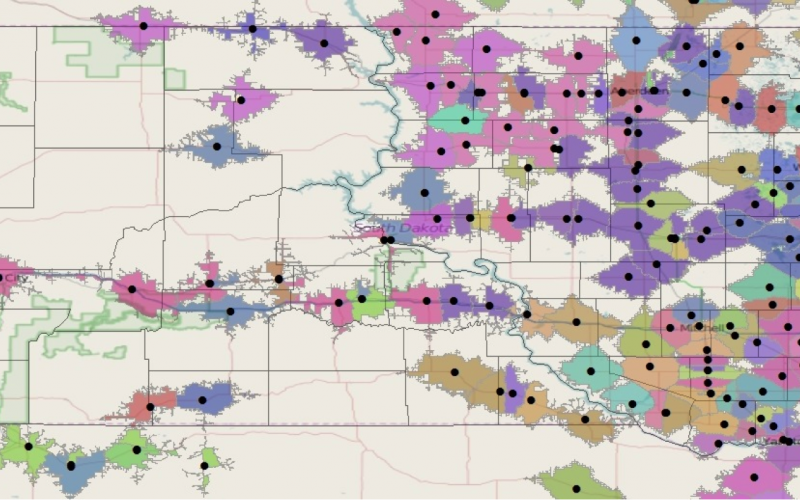
Grain Merchant and Processor Consolidation, Concentration, and Competition
A general trend in the last century has been for greater consolidation among Grain Merchants and Oilseed Millers and Processors. The U.S. Census Bureau tracks the number of firms and/or establishments and value of sales (market size) by industry sector every 5 years as a part of the Economic Census. In addition to the number of firms and sales, the Census Bureau publishes concentration ratios for each sector. One concentration ratio they publish is the amount of sales attributed to the four largest firms in that sector. The percentage of sales of the 4 largest firms is a measure that aids in identifying the type of market structure that exists.

Engineering Cooperatives in the 21st Century: Education, Research, and Outreach
The Cooperative structure represents a unique organization type that is governed/owned by the users of the services and products. South Dakota has many types of Cooperatives, some organizations are not readily recognized as Cooperatives however, like mutual insurance, credit unions, etc. More commonly, Cooperatives are associated with Farmer Cooperatives that are prevalent in South Dakota.