Content by Connie Strunk
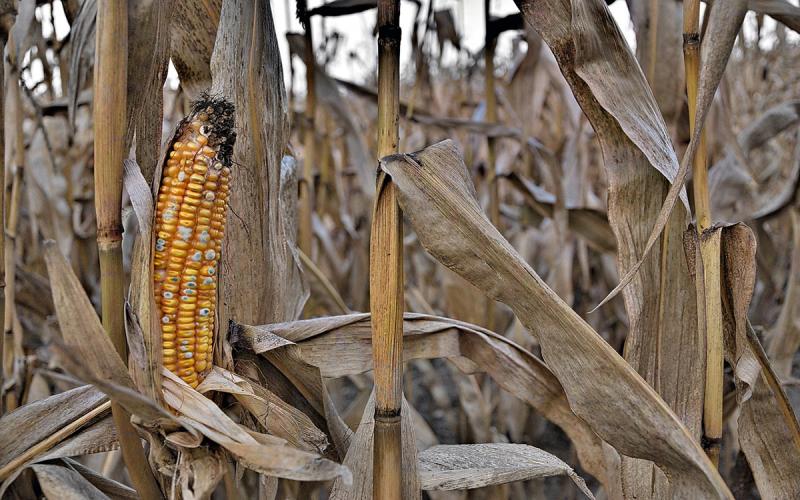
Mycotoxins: Should you be concerned?
Environmental stress caused by the weather or damaged crops increases the potential for mold and mycotoxin development. Learn some answers to common questions about mycotoxins and how to manage them.
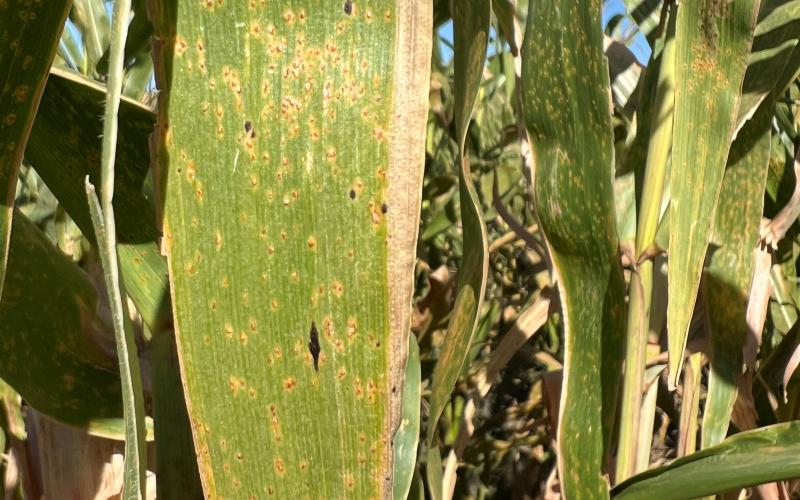
SDSU Extension to host corn disease scouting workshop
September 23, 2025
South Dakota State University Extension will host a scouting session for corn diseases confirmed in the state this season.
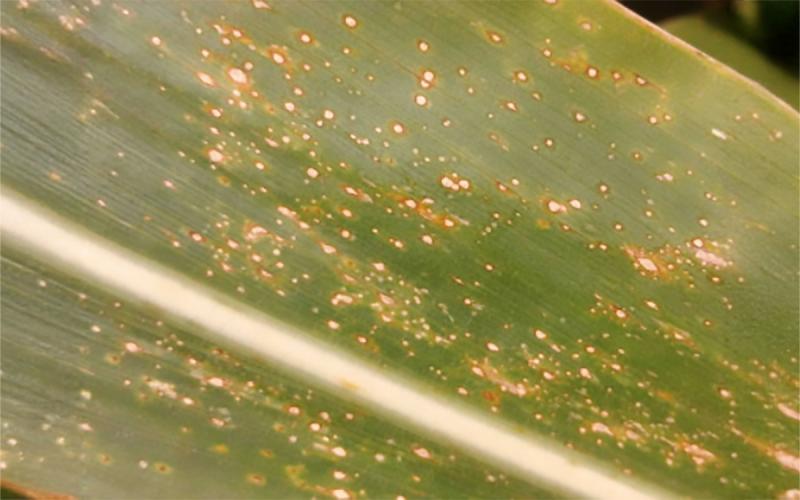
Corn Disease Update: September 2, 2025
As of September 2, 2025, a number of corn diseases have been reported and confirmed throughout South Dakota. View our latest findings as we approach the fall harvest season.
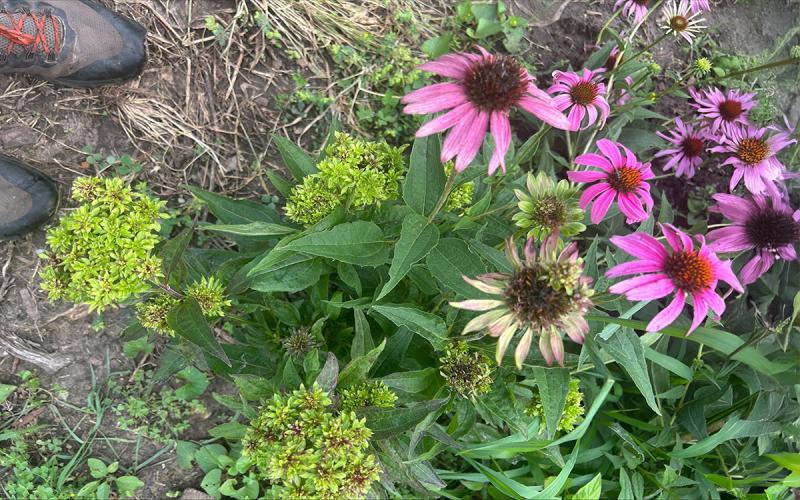
Aster Yellows Phytoplasma
Aster yellows is a phytoplasmal disease carried and introduced by aster leafhopper. It is known to infect over 80 different plant families, as the aster leafhopper has extremely broad feeding habits.
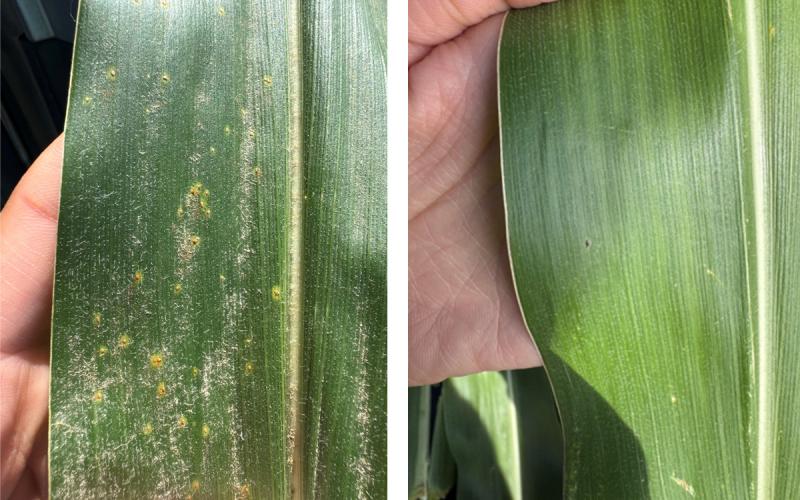
Corn Diseases in South Dakota Update
Several South Dakota counties have confirmed positive cases of Southern Rust and Tar Spot this growing season. See our latest recommendations for dealing with these diseases before they become a problem.
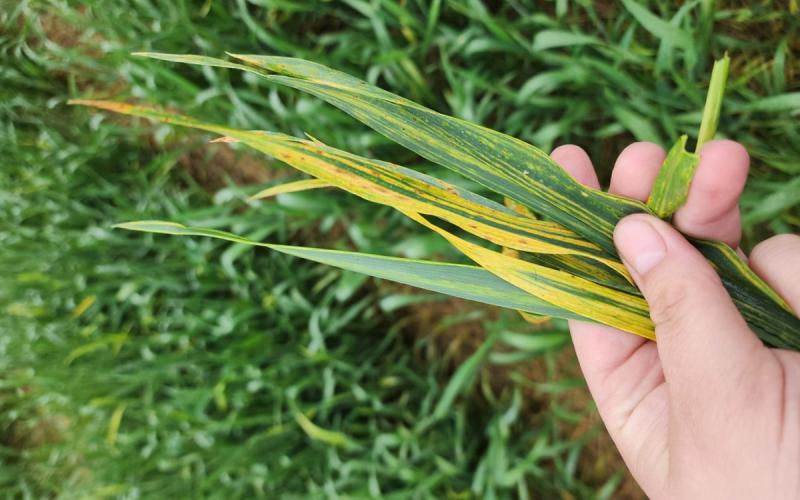
Wheat Streak Mosaic Virus Complex: Breaking the Green Bridge
As wheat harvest proceeds, it won’t be long until winter wheat planting is underway in South Dakota. To effectively reduce wheat streak mosaic virus, it is important to manage the green bridge effect to slow spread of disease in newly emerging wheat fields.
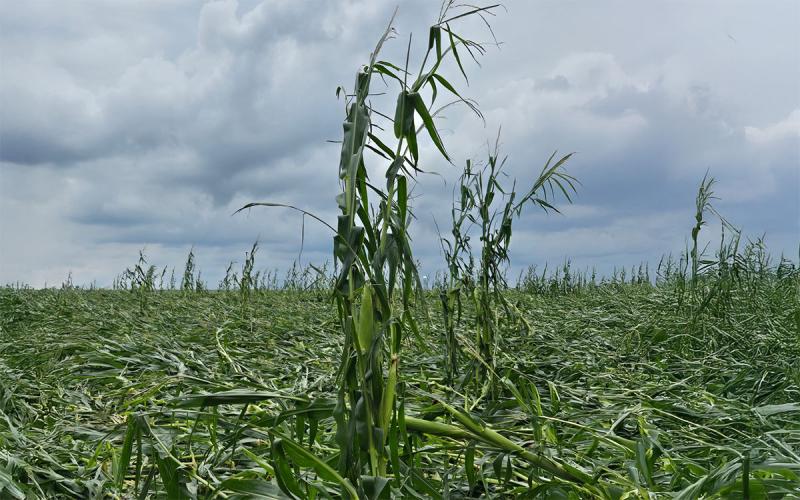
Are Fungicides Needed On Hail-Damaged Crops?
Recent storms brought rain, severe wind, and hail. With the hail and wind damage that occurred, many growers are wondering if a fungicide application is needed to protect their hail or wind-damaged crops.

Bean Leaf Beetles Showing Up in Soybean
Despite the prediction of low overwintering survival we have observed bean leaf beetles in soybean this week. See our latest observations and management recommendations.
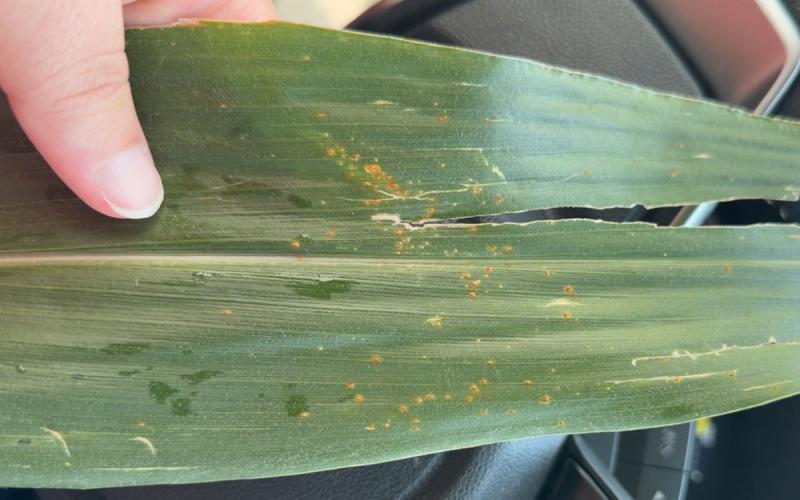
Southern Rust Observed in South Dakota Corn Fields
Southern Rust was recently confirmed in South Dakota corn fields. Yield impacts from Southern Rust can be high, so scouting for the disease is highly encouraged to determine if it is present.
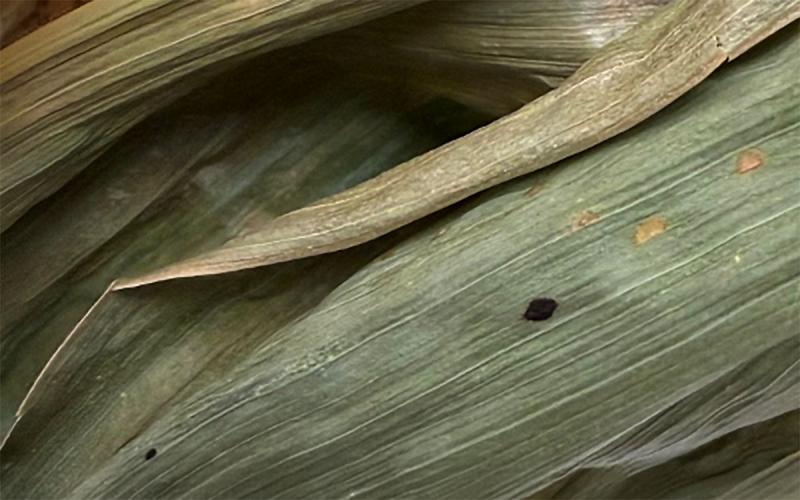
Tar Spot Confirmed in South Dakota
Trace amounts of tar spot were recently found in Yankton and Bon Homme counties and are thought to have originated from corn residue instead of windblown spores. This speaks to the importance of crop rotation in the management of this disease.