Sunflower
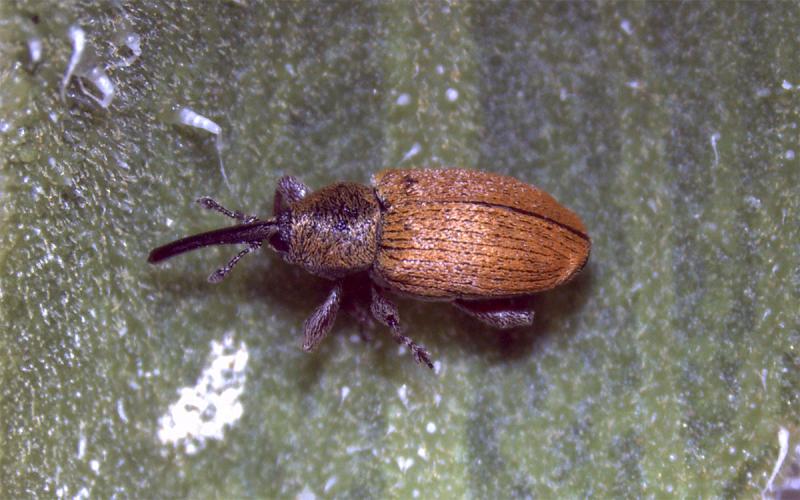
Vertento® Insecticide Approved for Red Sunflower Seed Weevil Management
Recently the Environmental Protection Agency approved a Section 18 Emergency Exemption label for Vertento® Insecticide for use on sunflowers for red sunflower seed weevil management in South Dakota. This exemption is effective from July 15 to August 31, 2026.

Large Grasshopper Nymph Populations Detected in Southeast South Dakota
This week we received several reports of large grasshopper populations originating from southeast South Dakota. The populations were well above threshold and actively defoliating crops.

Various Grasshopper Species Are Active Across South Dakota
While scouting, we have noticed increased grasshopper nymph activity and in some areas these populations are close to threshold levels. Crops in areas that have had high populations should be regularly scouted to ensure that extensive defoliation doesn’t go unnoticed.
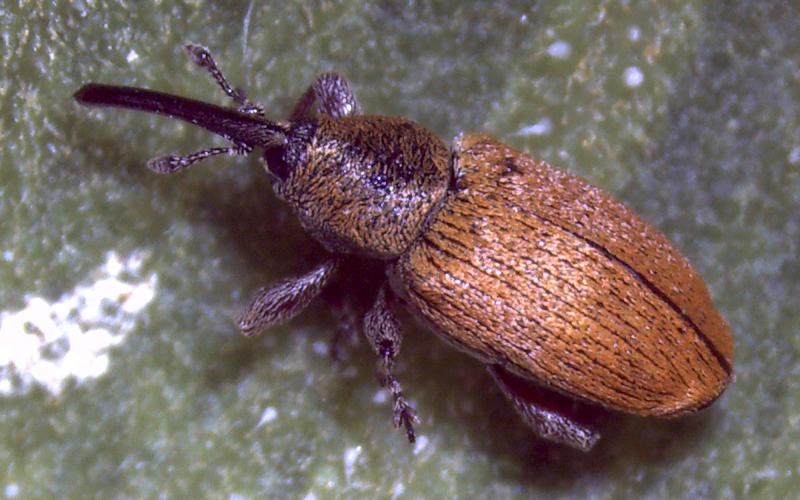
Management of Pyrethroid-resistant Red Sunflower Seed Weevils
Factsheet on the management strategies of Pyrethroid-resistant Red Sunflower Seed Weevils.
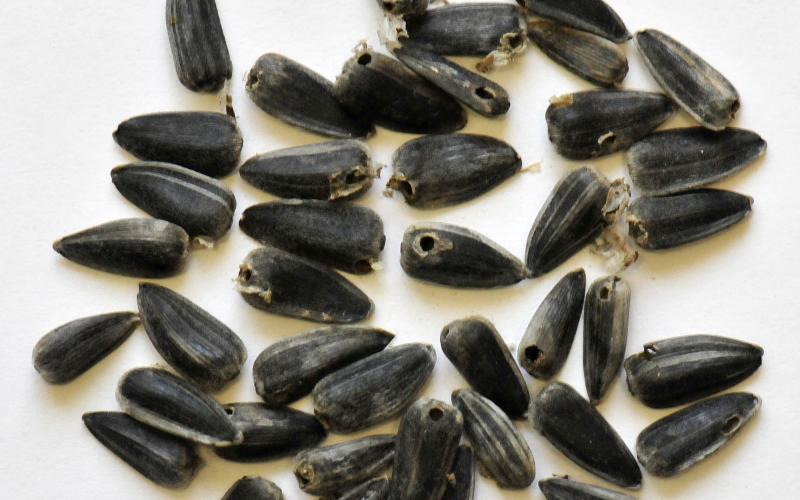
Differentiating Insect Damage to Sunflower Seeds
This publication covers different insect damage characteristics to sunflower seeds.

South Dakota Pest Management Guides
The South Dakota Pest Management guides are now available for free. The guides offer recommendations for controlling weeds, insects, and diseases in a variety of South Dakota crops.

Sunflower Hybrid Variety Trial Results
In 2025, sunflower trials were planted in two locations in South Dakota.
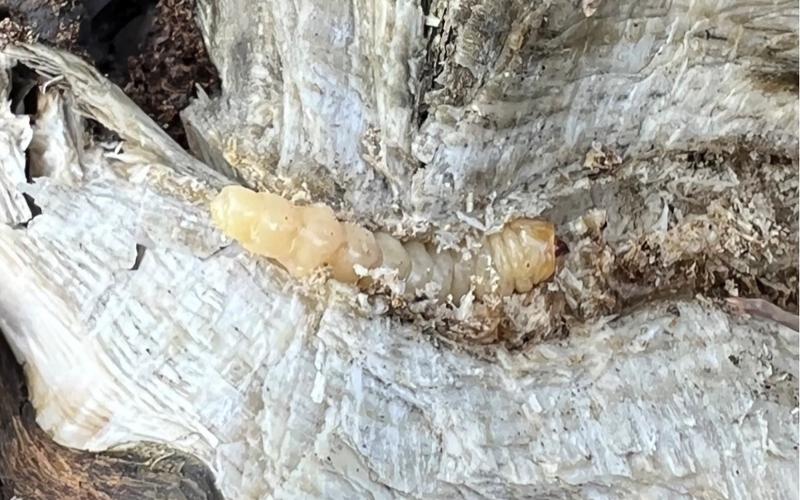
Dectes Stem Borer in South Dakota Sunflowers
Factsheet covering Dectes stem borer in sunflowers.
Did Malathion Effectively Manage Your Red Sunflower Seed Weevils?
Now that the August 31 deadline for the application of products containing malathion for red sunflower seed weevil management has passed, it is time to determine if the product was effective. South Dakota State University entomologists have received varying reports on this topic.
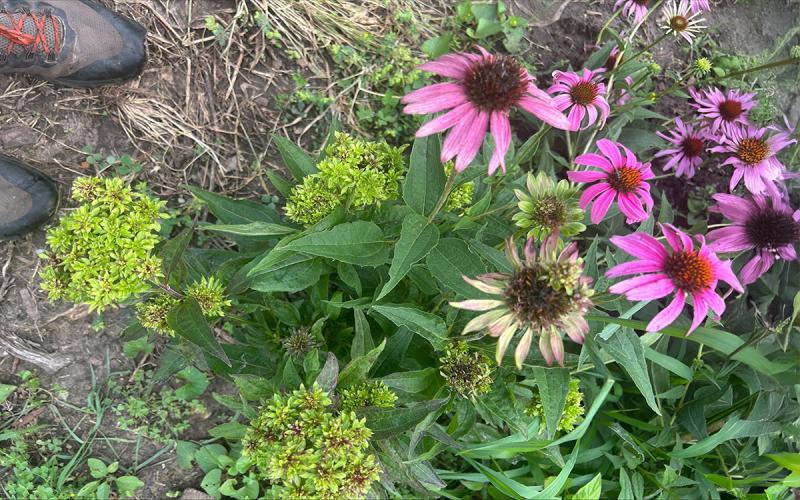
Aster Yellows Phytoplasma
Aster yellows is a phytoplasmal disease carried and introduced by aster leafhopper. It is known to infect over 80 different plant families, as the aster leafhopper has extremely broad feeding habits.