Garden & Yard Issues
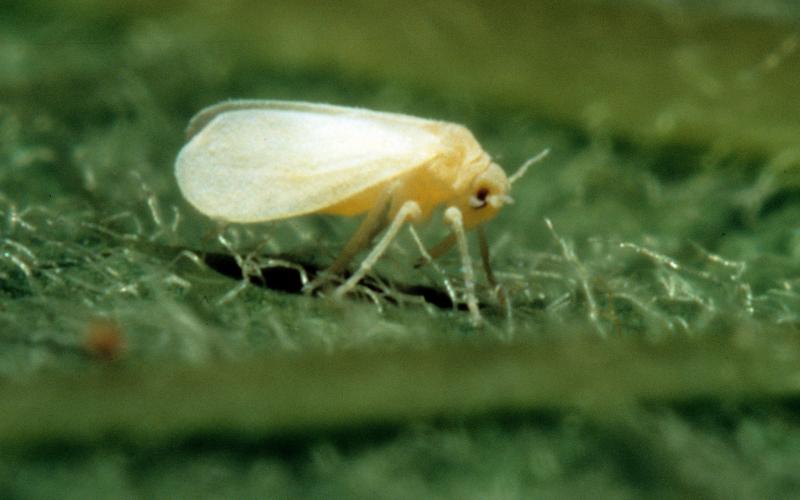
Biological Control of Pests in High Tunnels
Major insect and mite pests in high tunnels include aphids, thrips, white flies, and spider mites. Biological control uses living organisms (natural enemies) to suppress or limit pest populations to levels that do not cause economic injury to the crop.
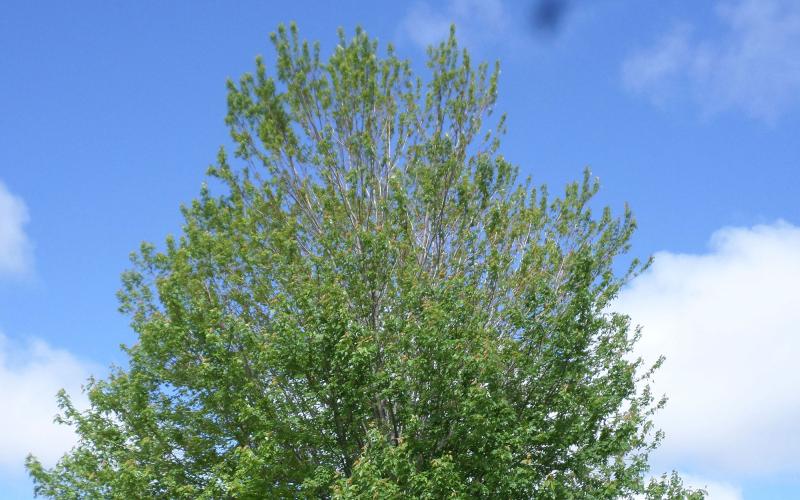
Maple Trees Looking Thin at This Time
Many of our maple trees are looking thinner at the tips of their canopies. The foliage in the lower, interior of these trees is dense, but when you look up at the tops, the leaves appear fewer and there are noticeable gaps at the base of the new shoot.
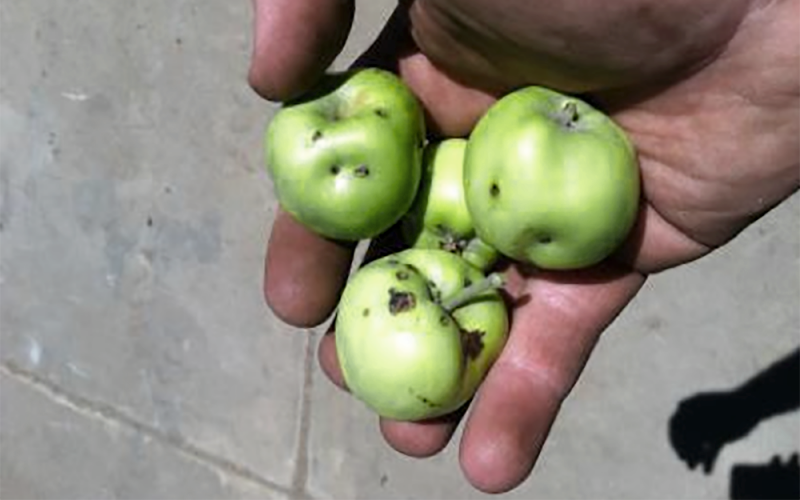
Apple Issues
Learn to identify and manage common apple tree issues including: apple maggot injury, apple scab, cedar apple rust, and fruit cracking.
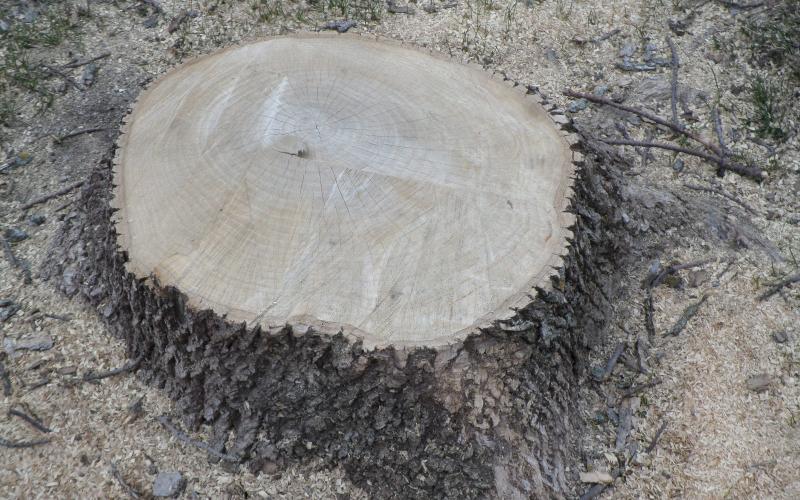
How to Remove a Stump
Spring is the time of the year when people get around to remove trees from their yard.
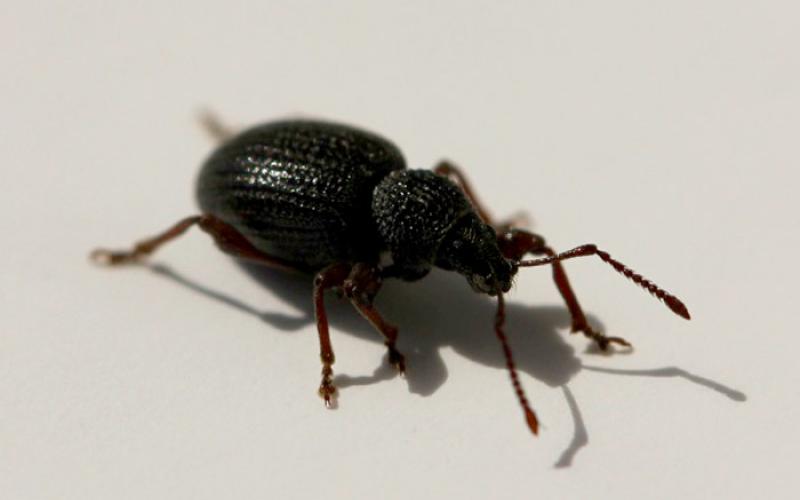
Root Weevils & Imported Longhorned Weevils Finding Their Way Inside
We have been receiving reports of small, black insects that are observed crawling up bathroom walls, hanging out in basements, or otherwise finding their way inside.
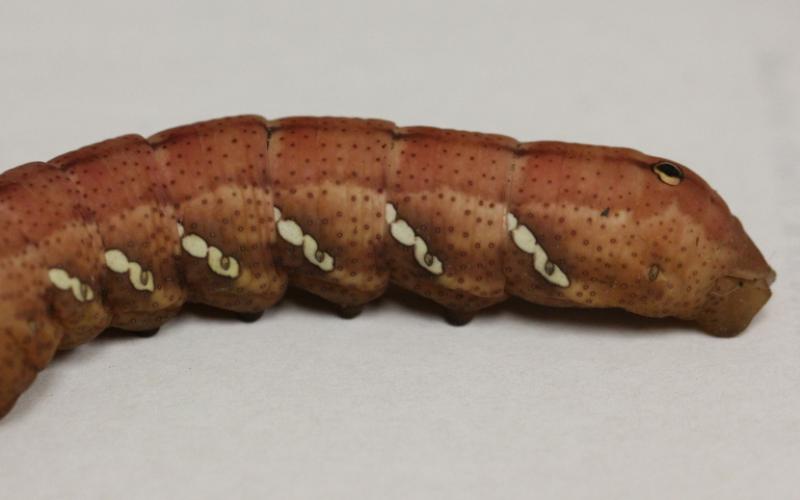
Achemon Sphinx Moth Caterpillars
Achemon sphinxe caterpillars (Eumorpha achemon) feed on wild grape, Virginia creeper, and related vines.
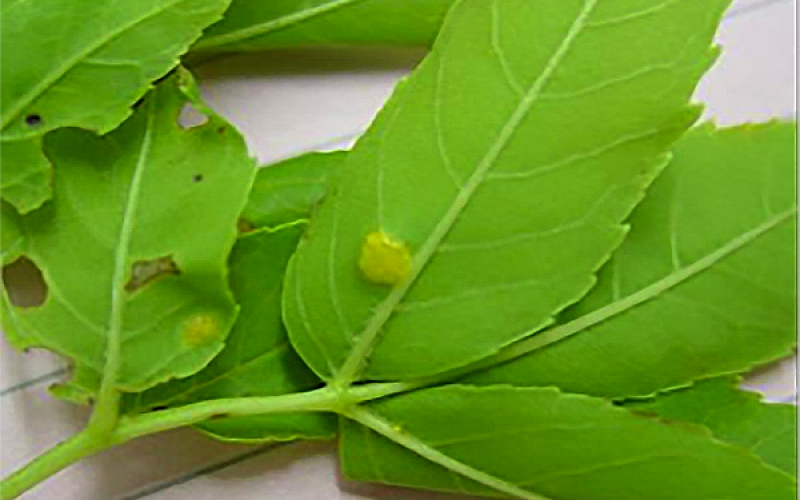
Tree Rust Diseases
Ash rust and crown rust are two common rust diseases that impact South Dakota trees.
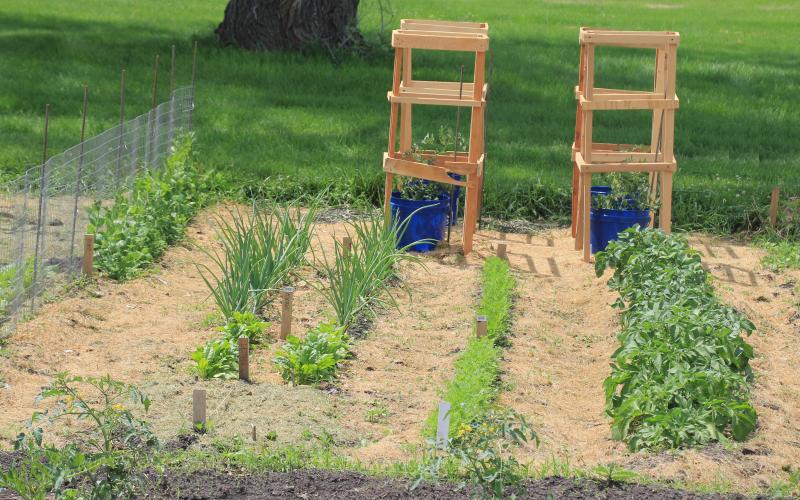
Tips to Make More Efficient Use of Your Garden Space
If you don’t have much garden space it is important to get the most from what space you have available.
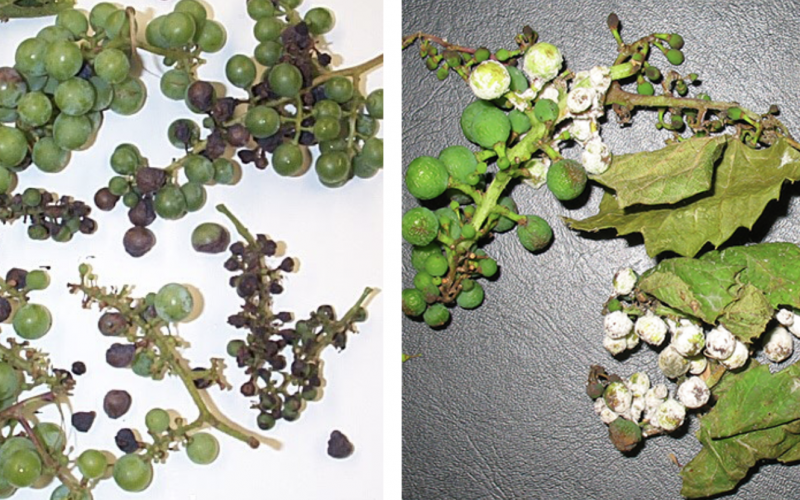
Black Rot & Downy Mildew: Two diseases that can rot grapes
There are several different diseases that can infect the fruit, but two of the most common are black rot and downy mildew. Their symptoms are quite different.
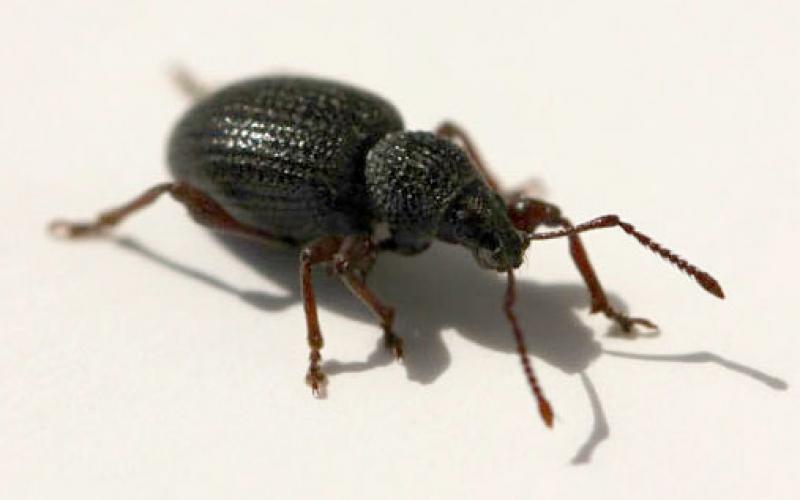
Root Weevils: Accidental Invaders
The latest insects to find their way inside South Dakota homes are the root weevils, a kind of beetle characterized by a distinct snout on the front of its head.