Garden & Yard Issues
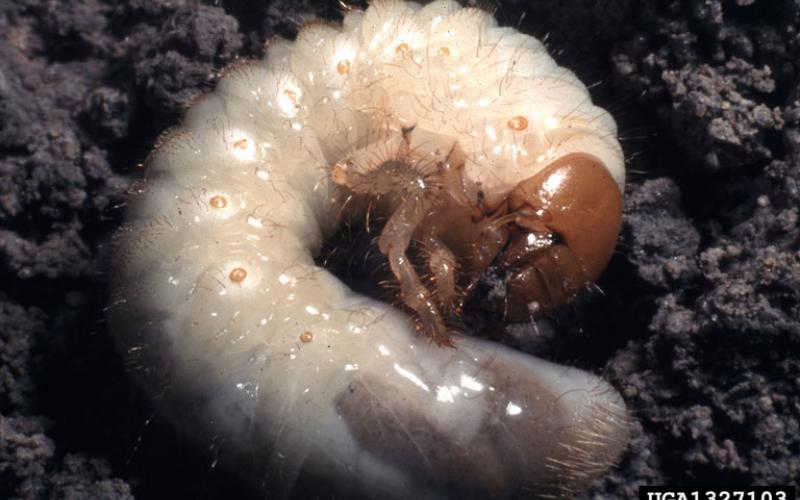
White Grub Damage to Lawns
White grubs are root-infesting larvae that are the immature stages of scarab beetles. Grub-infested turfgrass may turn brown and die from drought stress due to the inability to take up water from loss of roots.
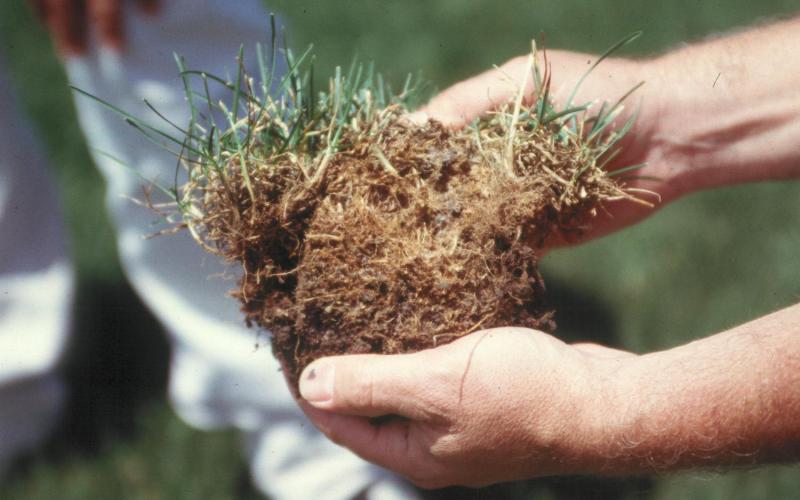
Understanding Thatch in Turf
Many homeowners have a misconception that thatch in turfgrass is undesirable and should be eliminated; however, when thatch is not excessive it is actually beneficial to the turf.
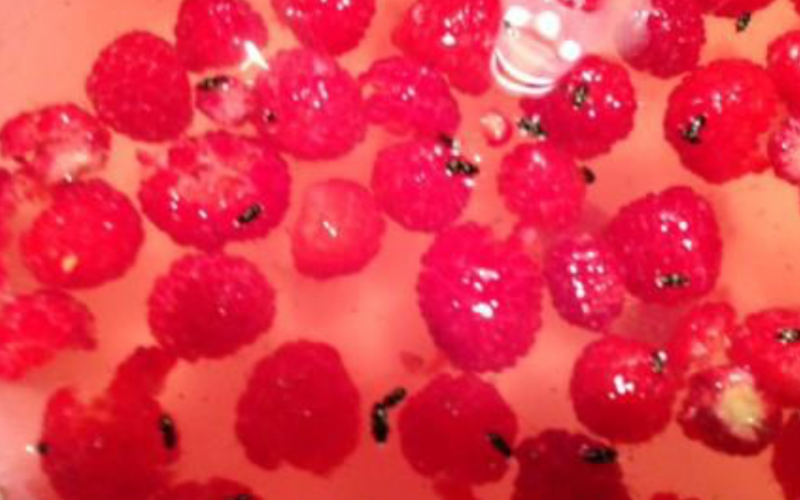
Picnic Beetles on Raspberries
Picnic beetles, a small beetle that loves fermenting fruit (and potato salad at picnics), commonly feed on raspberries. The beetle can quickly ruin a ripe raspberry as they burrow around inside the fruit.
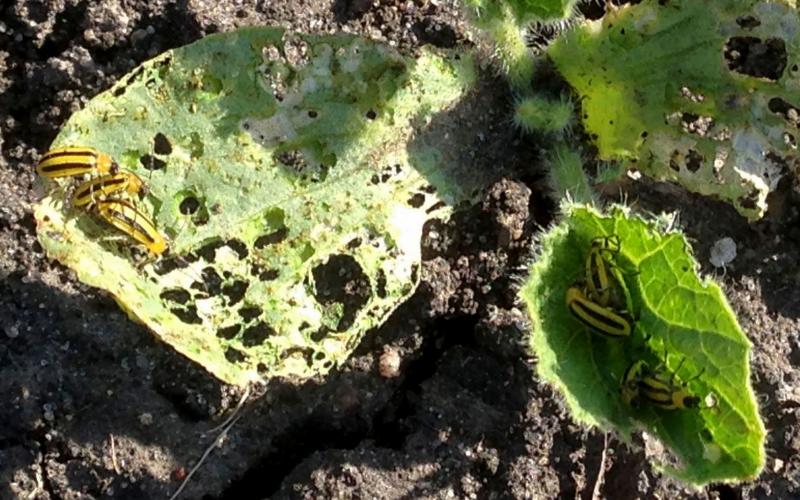
What's Bugging Your Garden? Cucumber Beetles
Striped cucumber beetles are little yellow and black striped beetles that are fairly small, but what they lack in size they make up for in numbers and appetite.
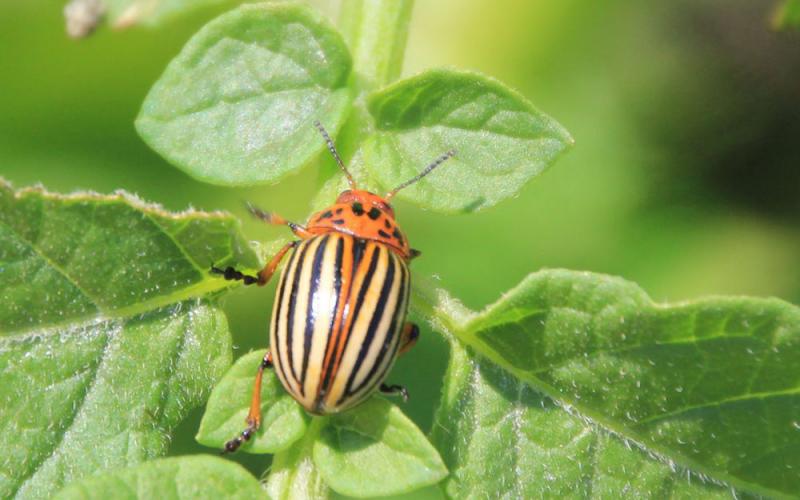
What’s Bugging Your Garden? Colorado Potato Beetles
Colorado potato beetles have become all too common in many home gardens and also in community gardens where potatoes are commonly grown. If left untreated, they can defoliate potato plants, drastically cutting yields of the delicious tubers that so many of us love to eat.
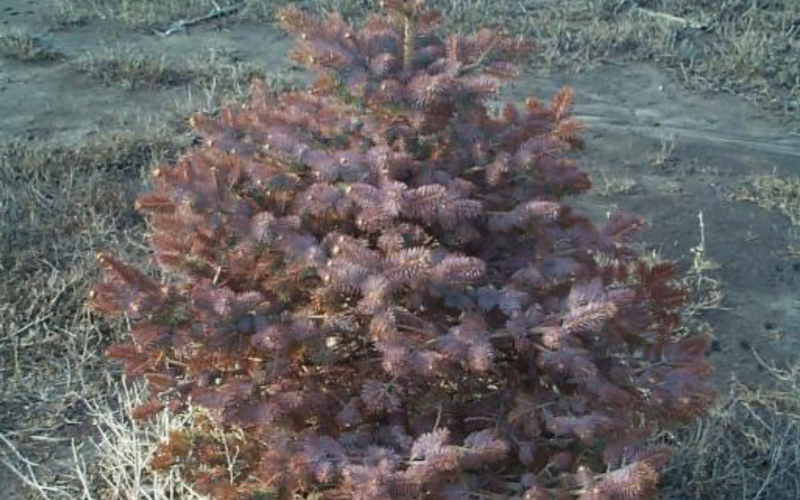
Weeds Around Spruce Seedlings?
I have many producers call wanting a control for the broadleaf weeds coming up around their young Colorado and Black Hills spruce seedlings. At this time of year we are looking at post-emergence herbicides to control weeds that have become established.

What’s Bugging Your Garden? Broom Moth
There is a new pest problem for flower growers that enjoy Baptisia (false indigo) called the Genista Broom Moth. It is actually the caterpillars that cause the damage.
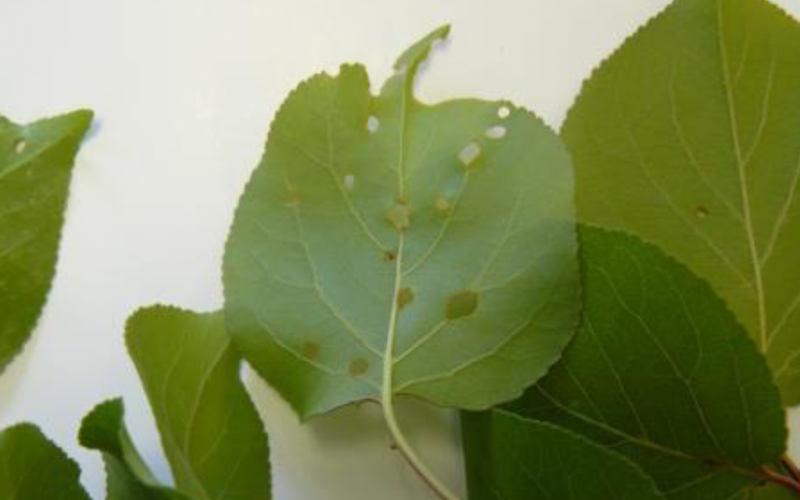
Shot Hole Disease in Apricots
Shot hole disease of apricot trees can be identified through symptoms on leaves and fruit. Small holes will appear on leaves while brown lesions with a deep purple band will show up on fruit.
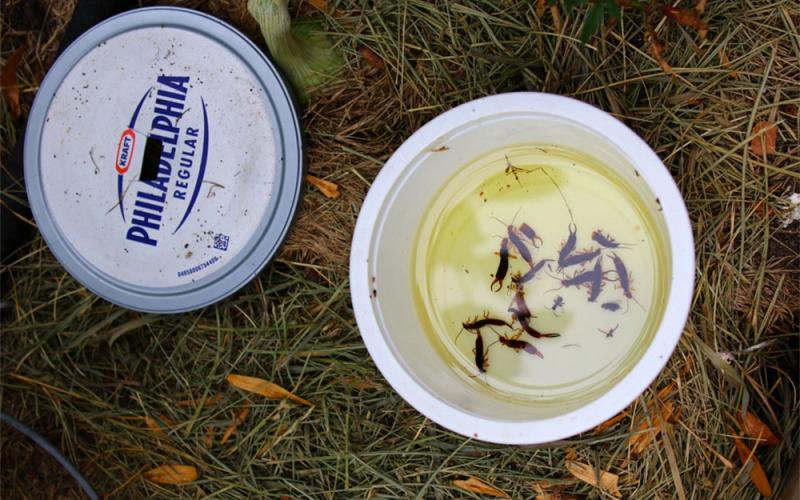
Earwigs in the Garden: Less-Toxic Control Alternative
Since earwigs provide some ecological service as natural enemies, I hesitate to recommend a pesticide application to control it. As an alternative least-toxic solution, bait trapping the earwigs should work to reduce the insect’s population to the non-threatening levels.
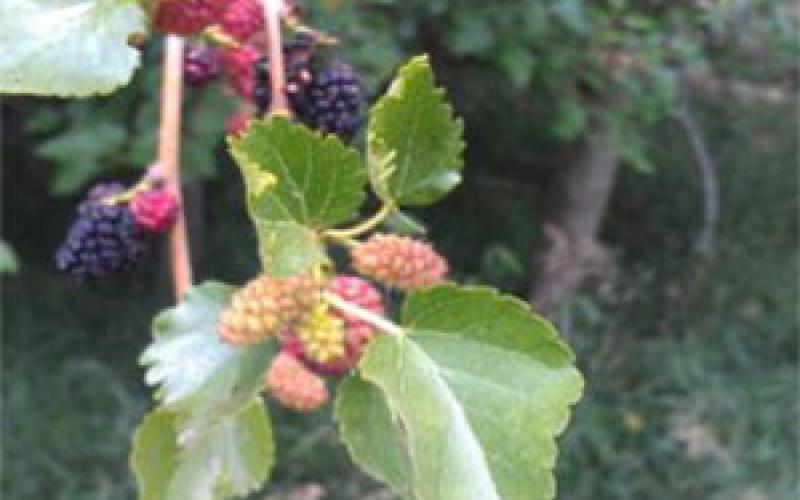
Mulberry Trees
Every year about this time I received a few samples of mulberry trees. This is a very common tree in South Dakota, not so much from being planted by people but from birds.