Garden & Yard Issues
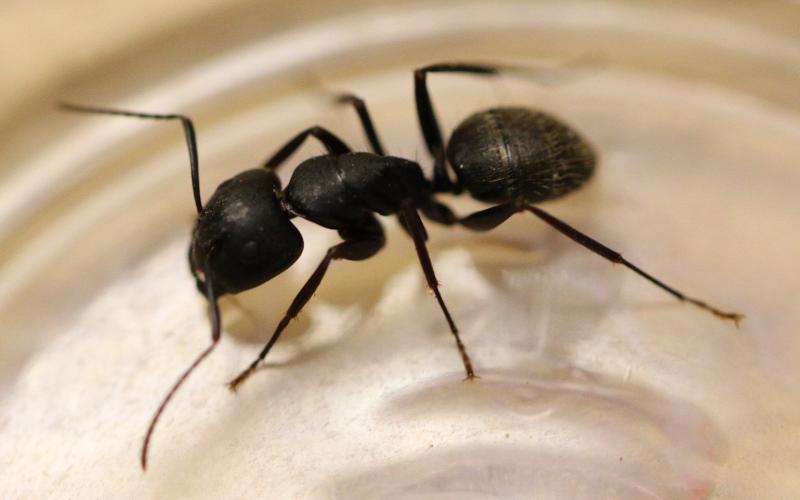
Watch Out For Carpenter Ants
With the continued moisture and warmer temperatures, carpenter ants have become a more common appearance in South Dakota. Similar to termites, this insect can be a structural pest, causing damage to homes and other buildings. It is important to identify and treat carpenter ants early to prevent any potential damage.
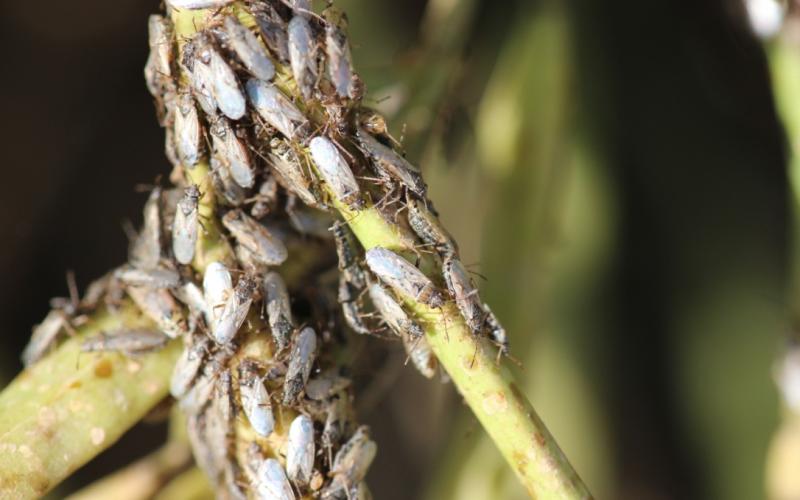
False Chinch Bugs in the Garden
Swarms of false chinch bugs have started appearing in South Dakota this month. Although they are typically only a nuisance pest, their populations can become magnified during cool, wet springs (like this year). In high abundances, false chinch bugs can pose a threat to garden plants, especially Brassica plants such as broccoli, cauliflower, turnips, and cabbage.
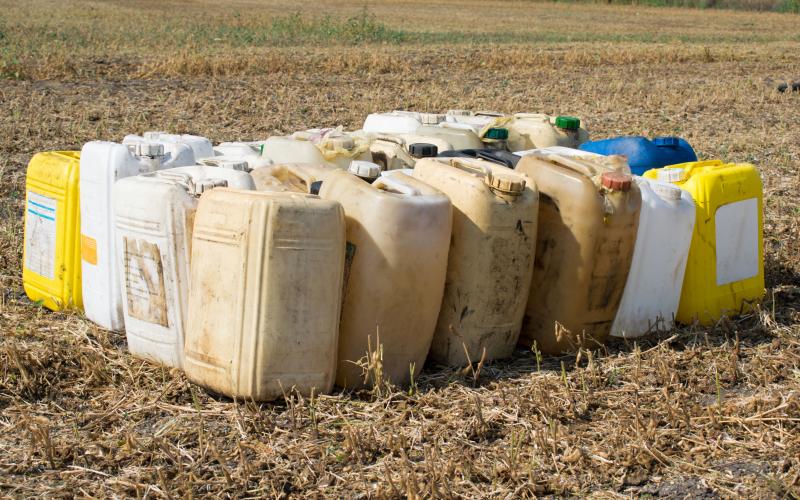
What to Do With Unusable Home and Garden Pesticides
As a gardener or homeowner, you may be wondering what you can do with your leftover pesticide products (including herbicides, insecticides, and fungicides), or maybe you bought a new home and the garage or basement is full of mysterious containers with no labels. If products are stored in garages or other areas with a lot of temperature changes, these products may become entirely unusable. So what to do?
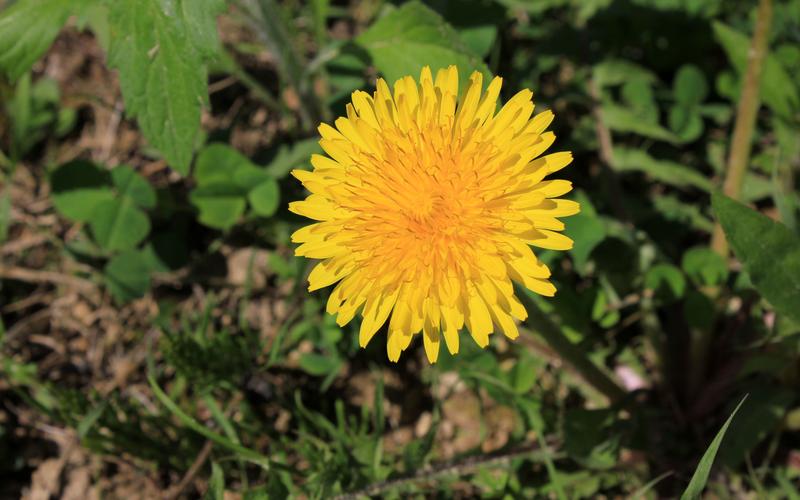
Dandelion Season
The yellow flowers of spring are coming. Spring dandelion treatments are not as effective as fall, but they can be used to stop the yellow flowers from producing viable seed.
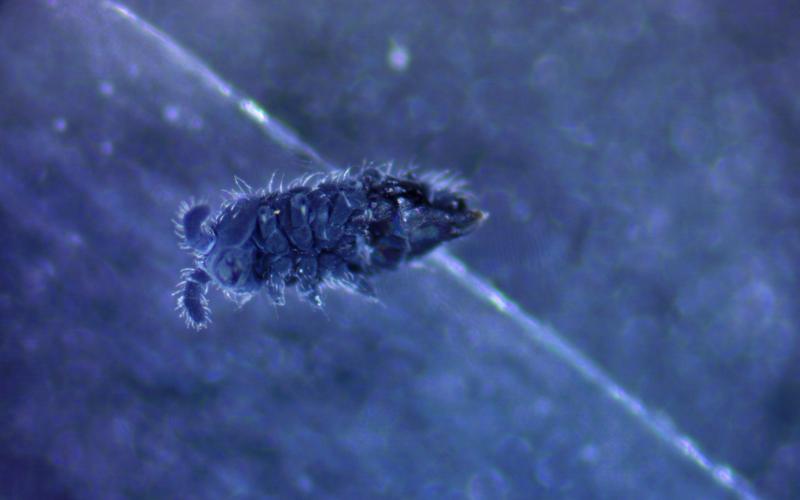
What are those black bugs jumping on the snow?
One of the first critters you may notice in early spring or even late winter are snow fleas. These tiny arthropods can be an odd sight when they appear by the hundreds on top of snow drifts that are melting on warm, sunny days.
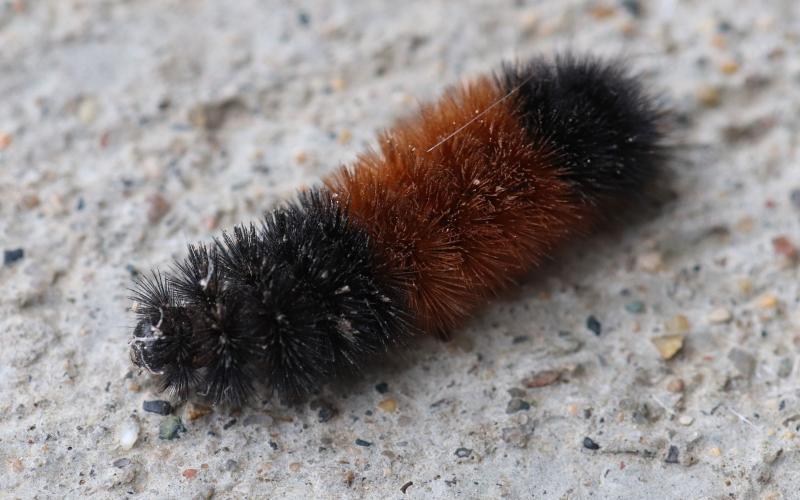
Are those woolly bear caterpillars I see crawling?
Anyone that spent the weekend outdoors may have observed flies, wasps, bees, and others flying around for the first time this year. One of these insects is a familiar one, the woolly bear caterpillar.

Beetles in Your Garden: Friends and Foes
Two types of beetles are increasingly common on vegetable garden this time of the year. Interestingly enough, one is a predator that helps out gardeners getting rid of pestiferous insects while the other is a pest busily munching on the foliage.
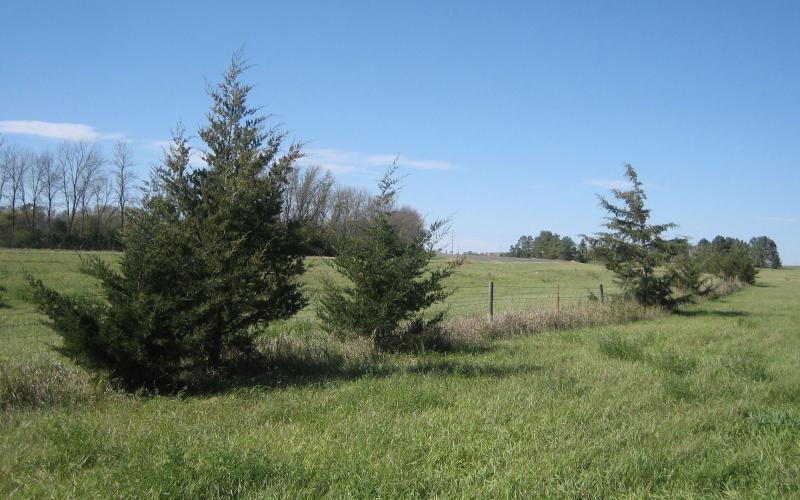
Woody Weeds: Eastern Red Cedar
While eastern red cedar (Juniperus virginiana) is native to South Dakota, and has many positive qualities, it has become a problem species over large areas of the Great Plains.
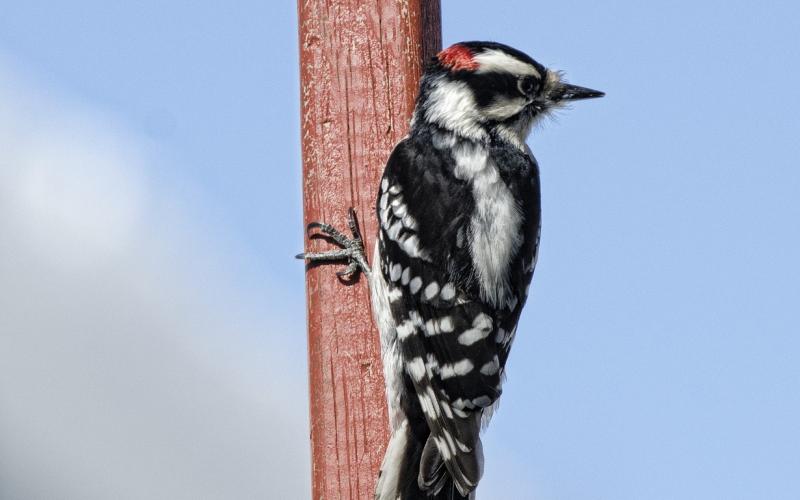
Woodpeckers Attacking Bur Oaks
Woodpeckers have been seen across the region chipping away at the bark of young bur oak. The woodpeckers can shred most of the bark from young trees, enough that the trees are killed by this injury.

Lady Beetles of South Dakota
Lady beetles are one of the most familiar groups of beneficial insects. Farmers and gardeners appreciate them for devouring insect pests. Both adult lady beetles and caterpillar-like juveniles eat pests.