Consumer Food Safety

National Food Safety Education Month
September is National Food Safety Education Month, a time to bring awareness about preventing foodborne illnesses. Taking a few simple precautions when preparing, cooking, and storing food can greatly reduce the risk of foodborne illness and help keep everyone safe.
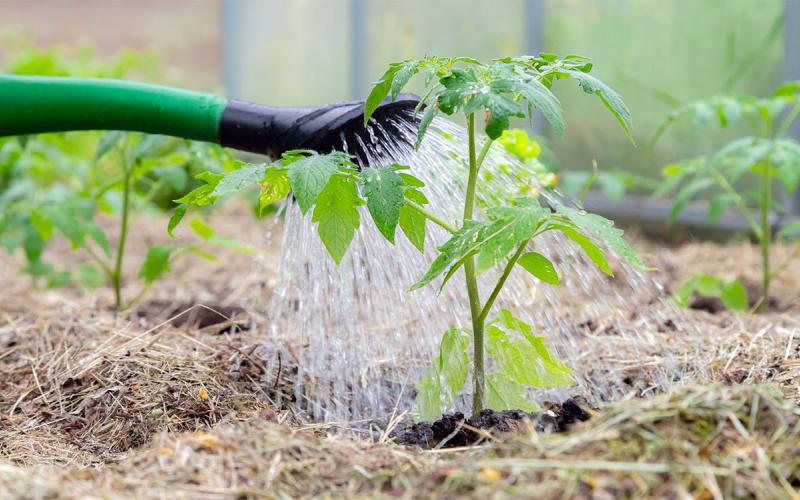
Microbial Water Testing for South Dakota Producers
Microbial water testing is important for produce growers to know the quality of their water to help ensure the safety of the fruits, vegetables, and herbs they produce.
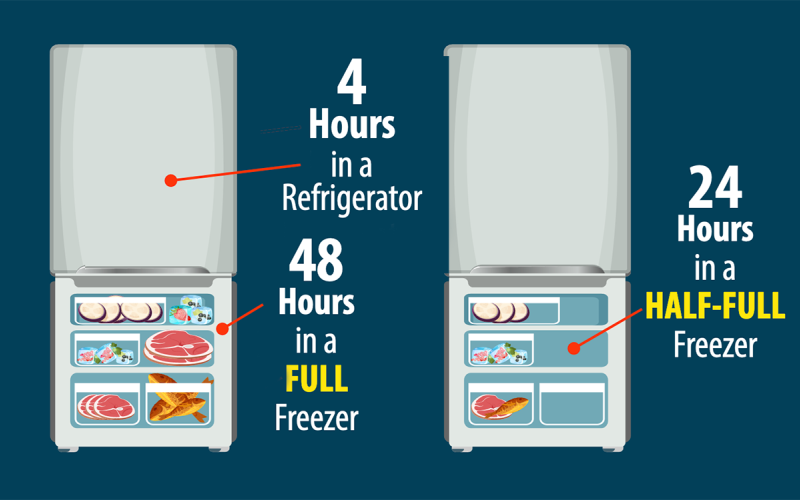
Power Outages and Your Cold Foods
South Dakota is no stranger to power outages and power surges from weather events. Learn some key actions to take before, during and after power outages to keep your cold foods safe.
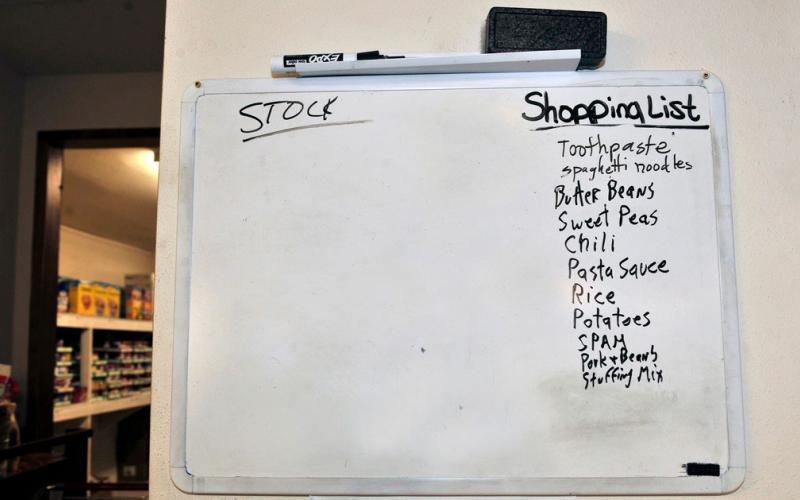
Helpful Food & Shopping Tips During Unexpected Events
When faced with unexpected events, such as a health crisis or natural disaster, planning meals and grocery shopping often comes to mind along with questions: What should I plan to make? What groceries do I need?
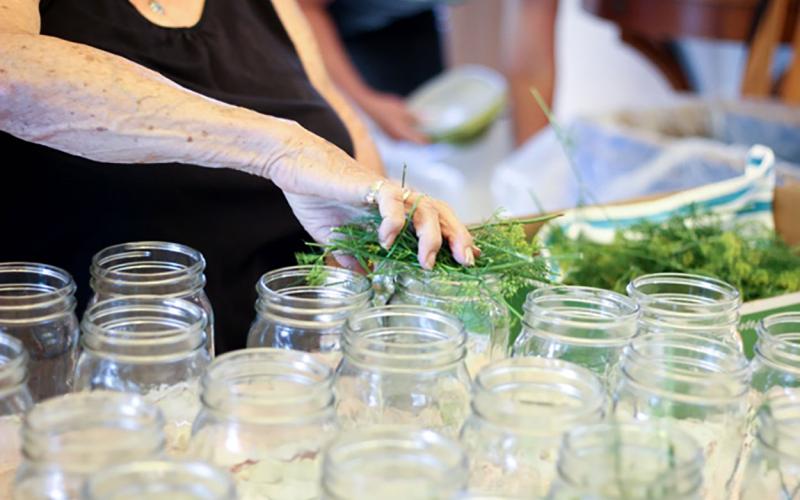
Produce Fermentation
Learn about the fermentation process and how to ferment food safely.
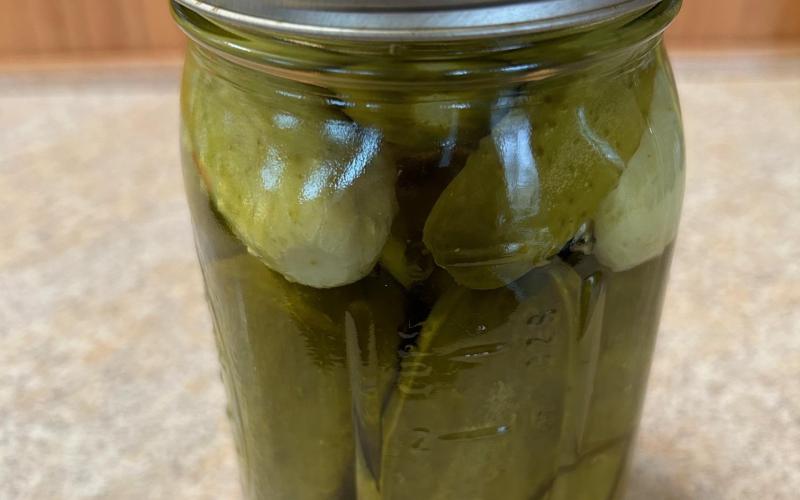
SDSU Extension adds to food safety testing services
January 17, 2025
SDSU Extension has added a new food safety testing service that allows canning enthusiasts to make sure their favorite recipes are safe.
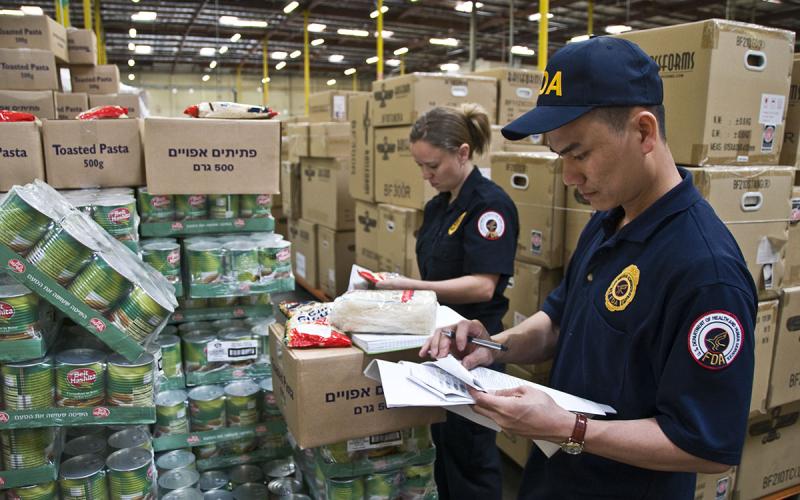
Food Recalls
With food products, it is important to know the difference between a market withdrawal and a product recall, along with the potential health implications of each.
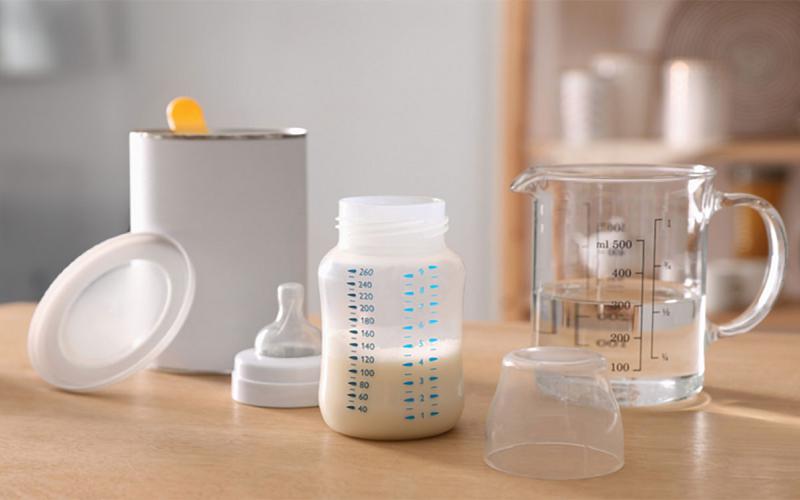
Milk and Formula Storage and Preparation
Learn some important food safety guidelines for handling, storing, and preparing breastmilk and infant formula.
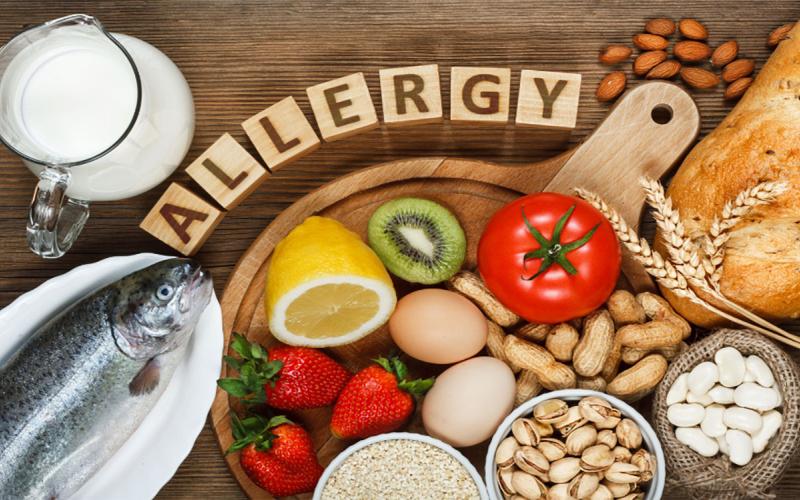
Food Allergens
In the United States, about 8% of children and 10% of adults are affected by a food allergy. Learn about some of the most-common food allergens along with some expert tips for managing them.

Food Safety During Pregnancy
Food safety during pregnancy is just as important as nutrient consumption. Learn some expert tips for reducing the risk of foodborne illness along with foods to avoid during pregnancy.