Conservation
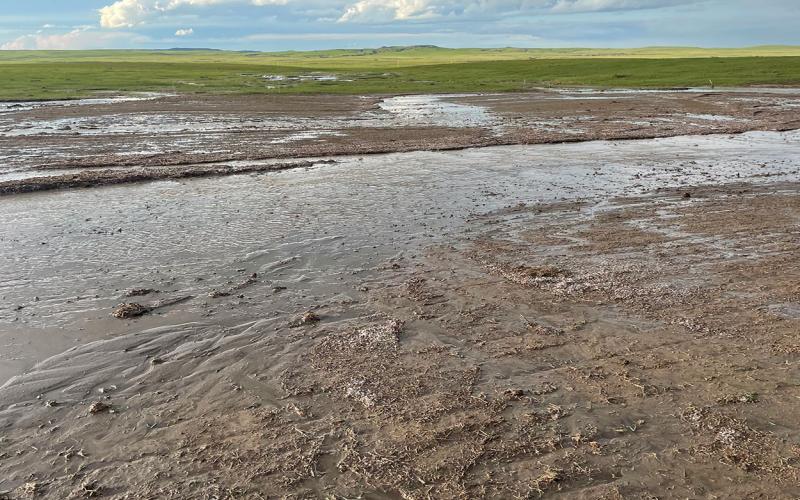
Five Range Management Principles: #4 Residual Forage
Residual forage is the amount of green leaf left after a grazing event. Understanding its importance can help producers capitalize on the symbiotic relationship that occurs when soil health is front and center on rangelands.
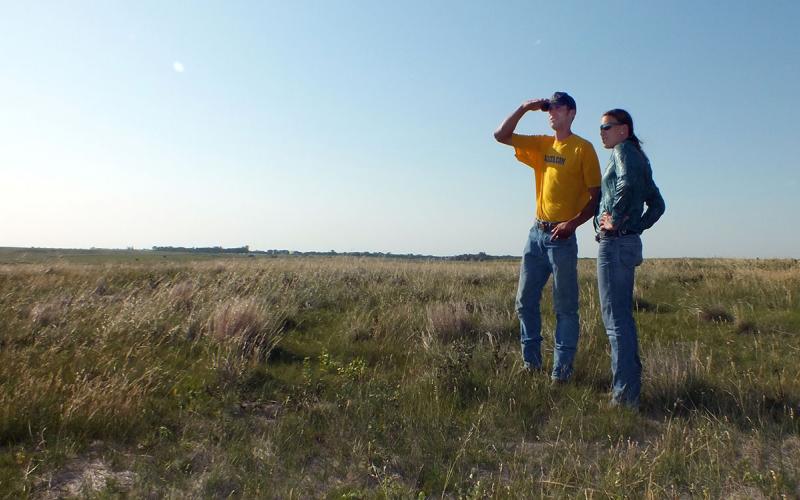
Five Range Management Principles: #1 Adaptive Management
Adaptive management is a process that livestock producers can incorporate into their operation to increase operation flexibility and adjust to changing conditions.
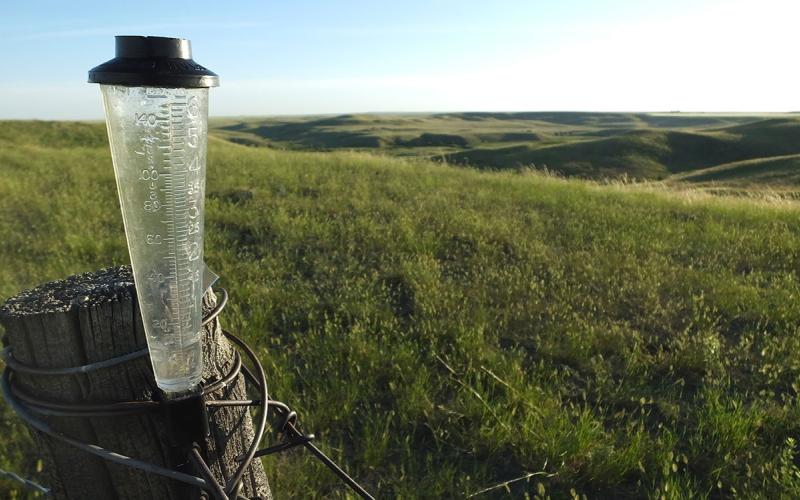
Five Range Management Principles: #5 Climate Ready
Understanding your ranching system is critical, and identifying anticipated soil-plant-animal responses during periods of dry, wet, or normal conditions will enable you to develop climate-ready practices. Learn how to get started today!
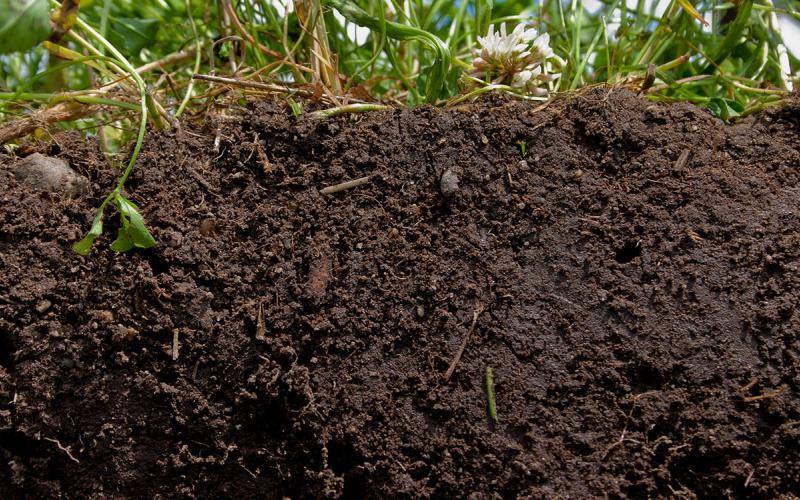
Why Is Carbon So Important to Agriculture and Society?
Carbon is not only vital to soil health—it’s the foundation of our long-term food security. Learn some incredible facts about the role carbon plays in our soil and environment.

Five Range Management Principles: #3 Ecosystem Biodiversity
Milkweed can help make rangelands a better environment for both cattle and neighboring plants and animals by having a shielding effect on companion plants, preventing erosion and accelerating the decomposition process, whole also providing nectar, habitat and organic material for ecosystem services.
Five Range Management Principles: #2 Creating a Grazing Plan
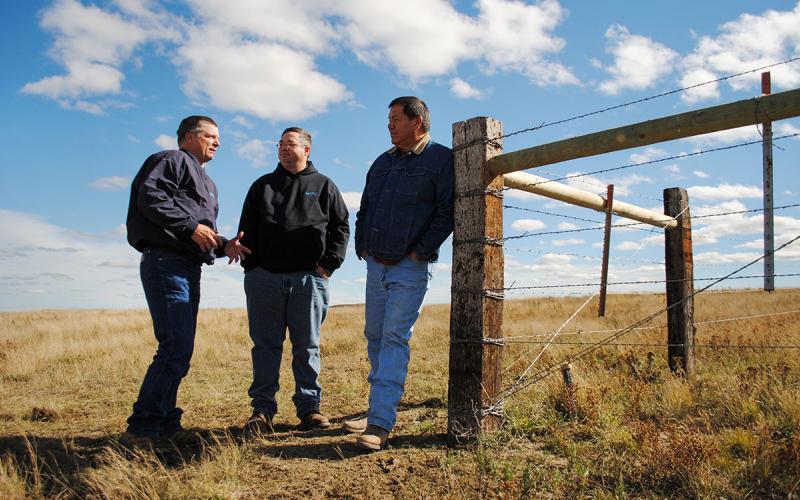
Creating a grazing management plan can be overwhelming. Learn the basic steps for outlining a plan, along with several resources to help identify the right strategy for your operation.
SDSU Extension Hosts First South Dakota Watershed Academy
SDSU Extension recently hosted the South Dakota Watershed Academy at the Oak Lake Field Station. The workshop was designed and organized in consultation with USDA Natural Resources Conservation Service to provide information on water resources regulation and monitoring.
38th Annual Rangeland and 17th Annual Soils Days Held in Murdo
August 15, 2022
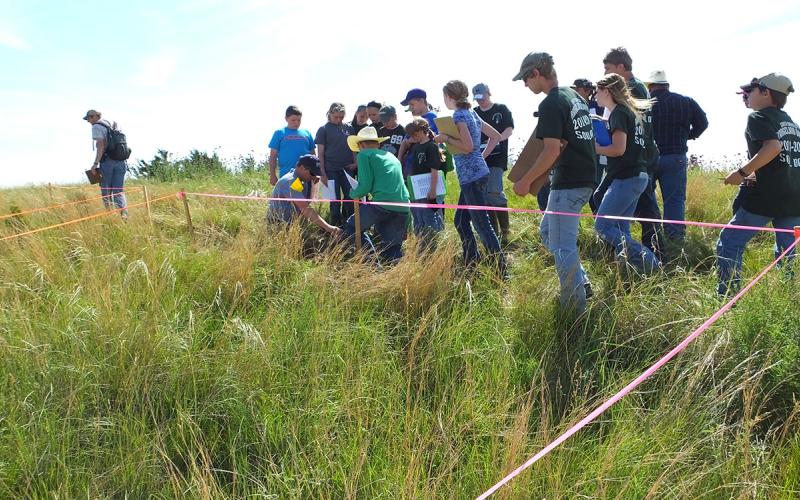
SDSU Extension, along with the Jones County Conservation District and the South Dakota Natural Resources Conservation Service (NRCS), hosted the 38th Annual Rangeland and 17th Annual Soils Days June 14-15, 2022, in Murdo, South Dakota.
South Dakota Water and Community Symposium to be Held July 26
July 22, 2022
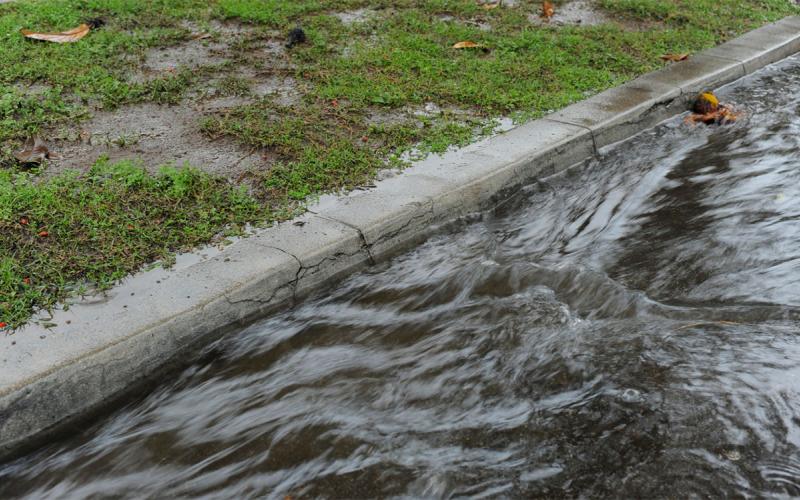
SDSU Extension will host a one-day South Dakota Water and Community Symposium on Tuesday, July 26 from 9:30 a.m. – 2:30 p.m. CDT at the Raven Precision Agriculture Center on the South Dakota State University campus in Brookings.
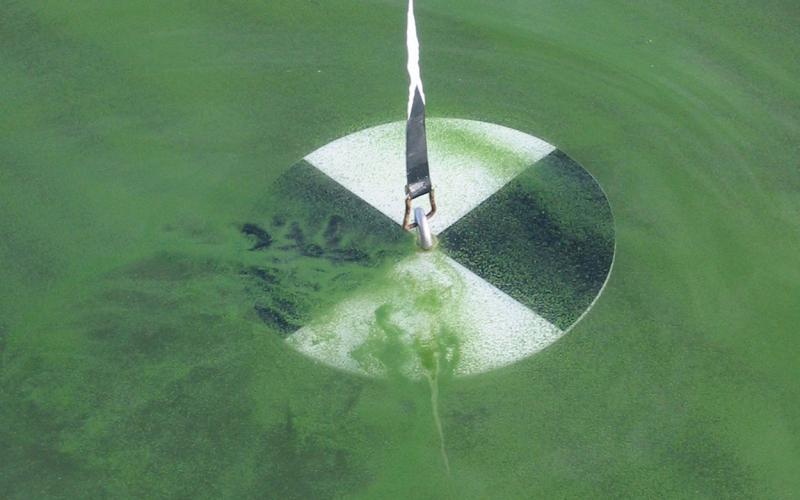
The Trophic State Index
The Trophic State Index is a means for lake professionals and volunteers alike to numerically measure the productivity of a natural lake or man-made reservoir. Learn how it's used in South Dakota to survey the condition of our water resources.