Conservation
Drought Planning
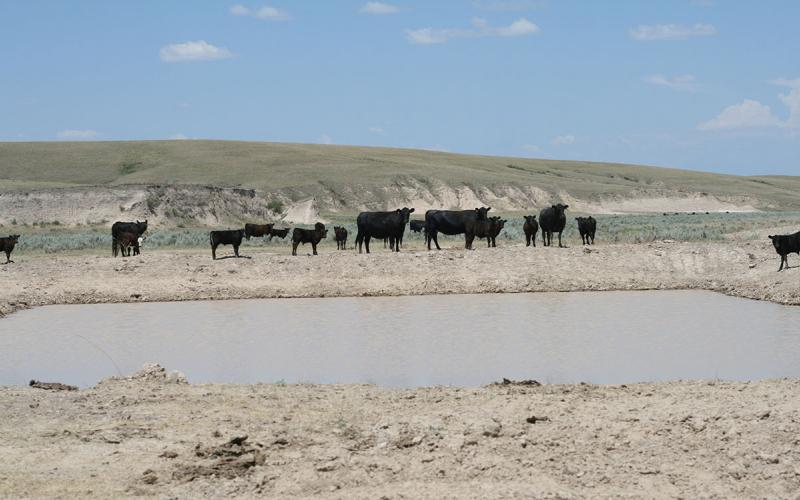
A drought plan will be an essential component to your overall grazing plan, as it provides guidance in making decisions during critical times when forage may be lacking.
38th Annual Rangeland and 17th Annual Soils Days Set for June 14 and 15 in Murdo
March 28, 2022
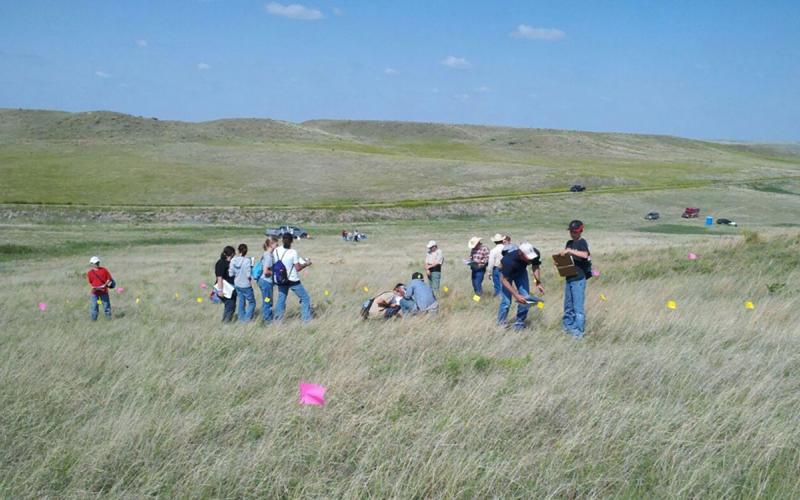
Rangeland and Soils Days offer a unique opportunity for youth and adults alike to learn more about South Dakota’s natural resources.
What is a Hydrologic Unit Code (HUC)?
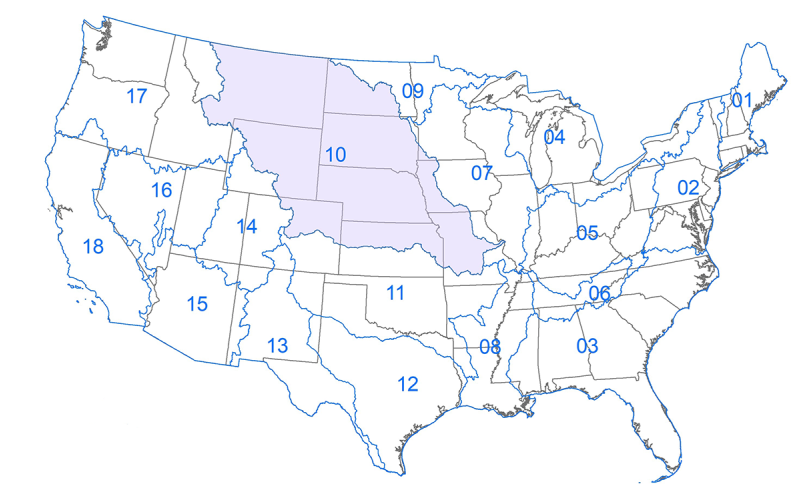
HUC is the acronym for Hydrologic Unit Code. It is a hierarchical land area classification system that is based on surface hydrologic features in a standard, uniform geographical framework.
Introduced Grasses and Forbs
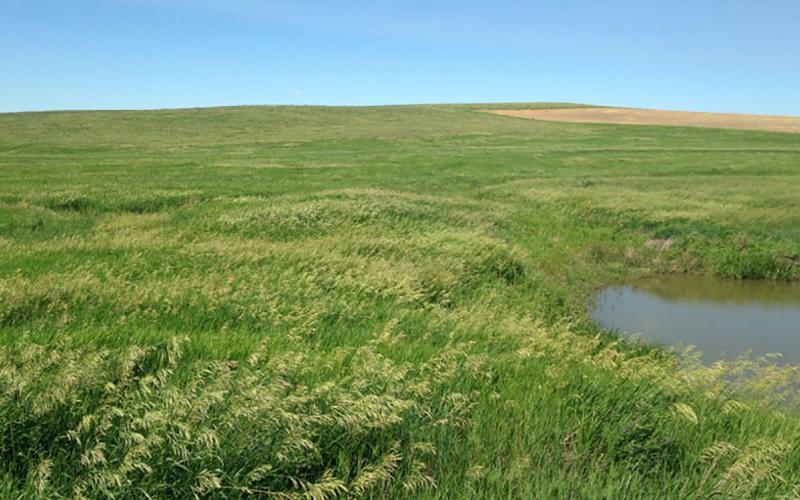
While native grasslands contribute greatly to the integrity of the overall grassland community in South Dakota, the use of introduced grasses has proven a popular alternative for some producers.
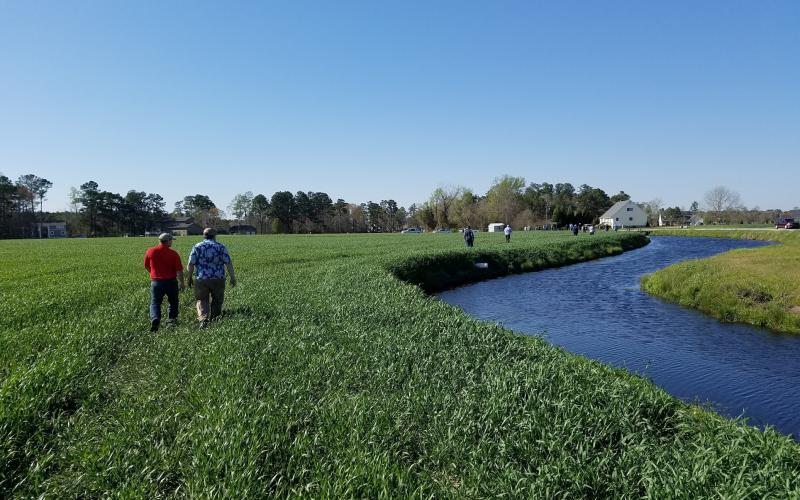
Online Eastern South Dakota Water Conference set for Oct. 20
December 29, 2021
The theme for this year’s conference is “Ground Truth – Water Resource Management and Remote Sensing.”
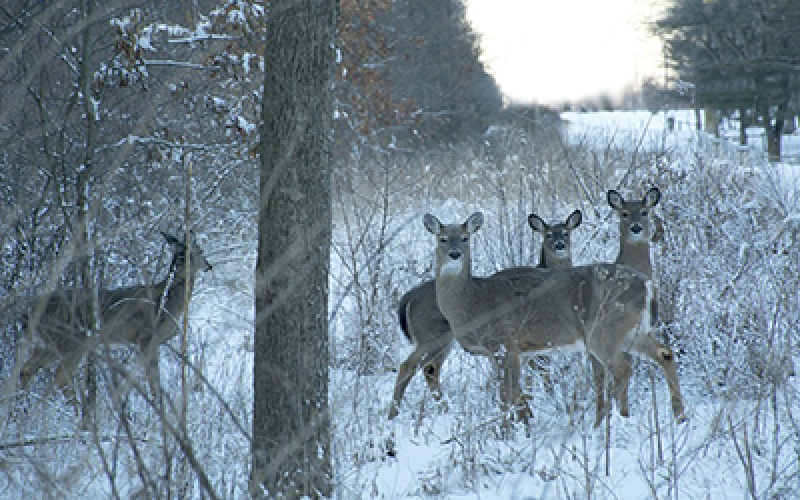
Give the Gift of Conservation This Christmas
The SDSU Natural Resources Management Department and SDSU Extension would like to wish all our readers a Merry Christmas and remind everyone that if you are shopping for a late holiday gift, consider giving the gift of conservation to yourself or someone else.
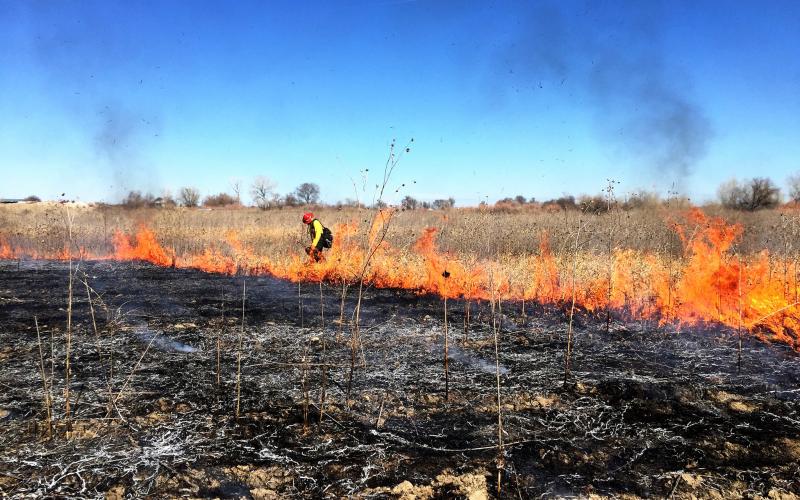
Fall Fire Safety
The moisture and cooler temperatures of fall make it easy to become lax about fire danger, however, conditions can still lead to easy ignition and rapid growth of wildfires.
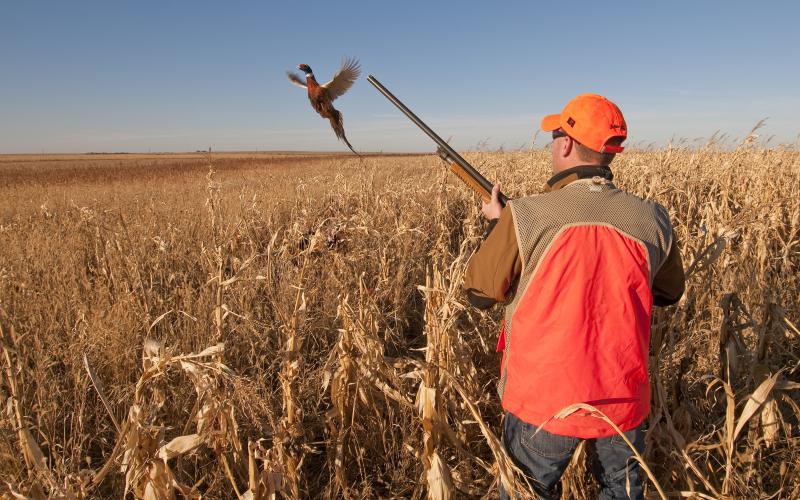
Wildlife and the Bottom Line
As the fall harvest wraps up and this year’s calf crop is weaned, many producers may be nervous about what their paychecks will look like for 2016. In tough market conditions, it can be tempting to try to squeeze just a bit more production out of the land.
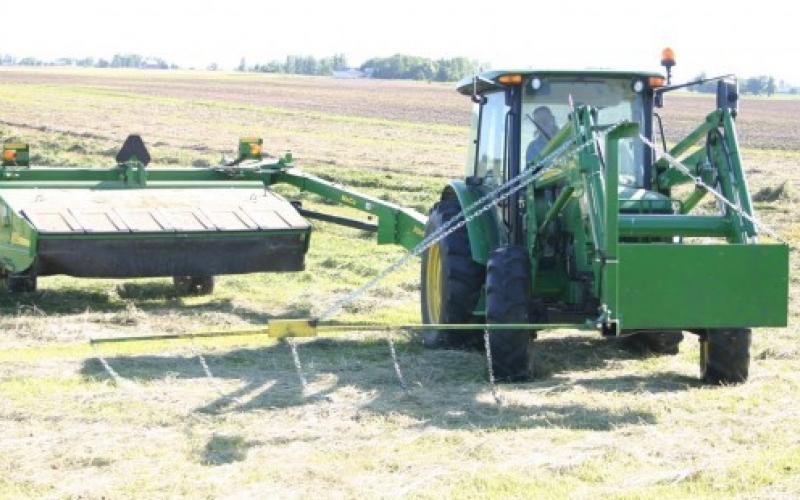
Haying With Wildlife in Mind
Anyone who has spent time cutting hay knows that hayland can be a magnet for wildlife in late spring and early summer. Hay fields are often considered an “ecological trap” for wildlife; that is, they appear to be high quality habitat for nesting or feeding due to tall, dense grass and legumes, but often lead to increased mortality once harvesting is under way.
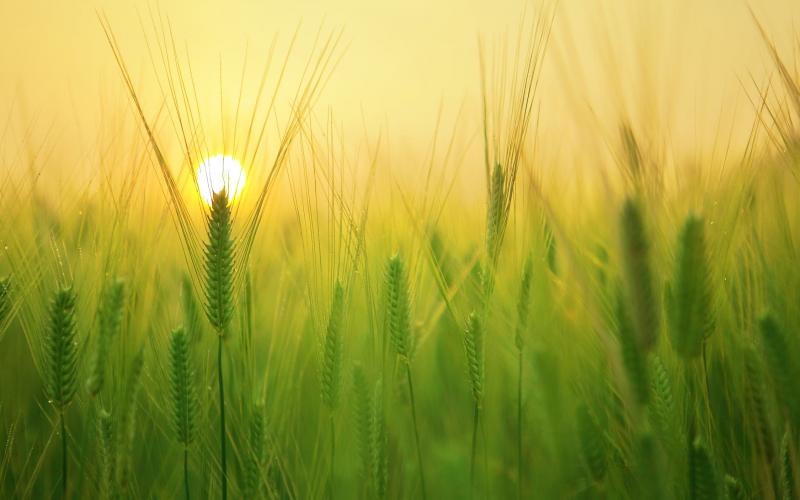
Water Use by Plant Stage
Over the growing season, solar radiation, air temperature and plant size are the dominant factors in determining evaporative demand and the rate of water use by wheat. Water use can vary dramatically on a day-to day basis, depending on climate and wheat health.