Search
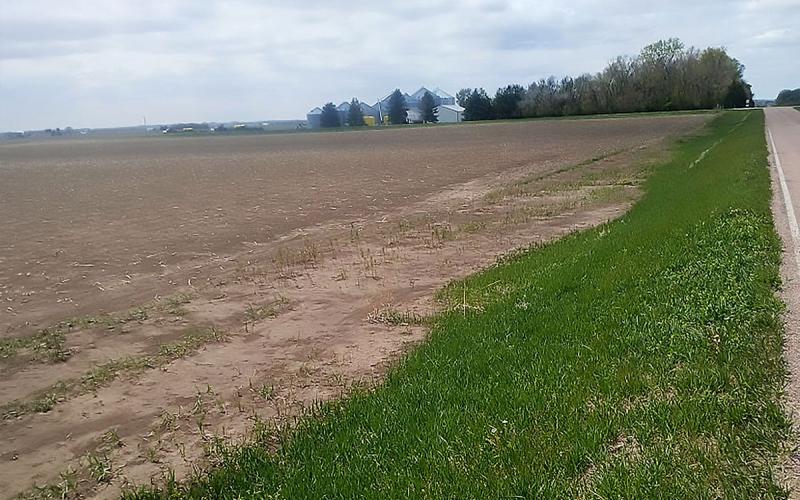
How to Maintain Soil Health During Dry Growing Conditions
Adopting soil health practices can help to reduce the loss of valuable topsoil by wind erosion during droughts. Learn how to manage your fields now or in the future to maintain soil health during periods of dry times.
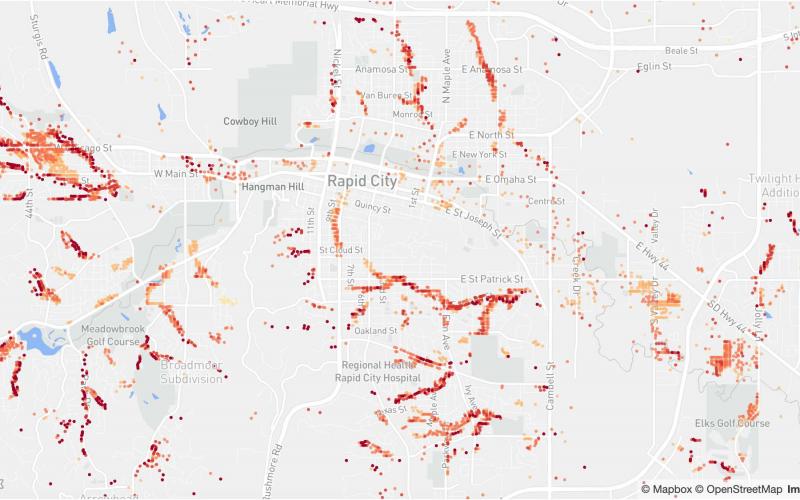
South Dakota’s Changing Flood Risk
South Dakota’s flood risk is increasing in some areas of the state according to a recent report from the First Street Foundation. In 2020, 62,600 total properties are at substantial risk, with a projected increase to 63,000 properties by 2050.
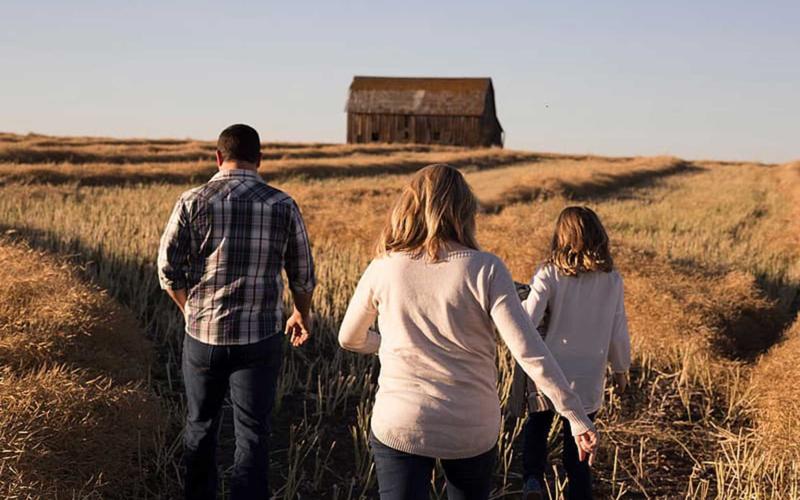
SDSU Extension to Host Another Round of Workshops for Next Generation Land Seekers
December 22, 2020
According to the USDA 2017 Census of Agriculture, one in four producers is a beginning farmer with 10 or fewer years of experience.
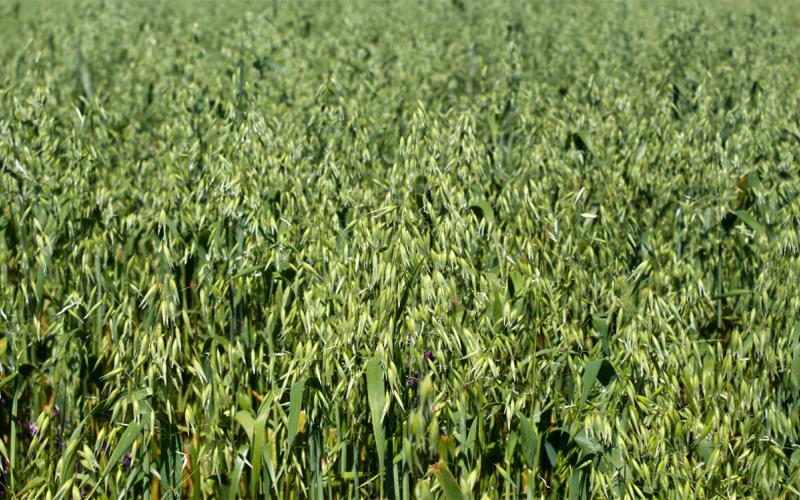
Effects of Plant Growth Regulator in Oats
Plant growth regulators are human-applied chemicals that manipulate the hormone functions in plants. Learn how they can be used in oats to help reduce lodging and prevent yield loss.

Healthy After-School Snacks & Activities
As my girls need healthy after-school snacks, I am working on trying to have easy nutritious snacks to hold them over until dinnertime and have fun activities to keep them busy when they get home off the bus.

SDSU Extension to host creative writing workshops in 2025
December 09, 2024
South Dakota State University Extension is pleased to announce the 2025 dates for its Heirlooms online creative writing workshops to help participants craft their own life stories.
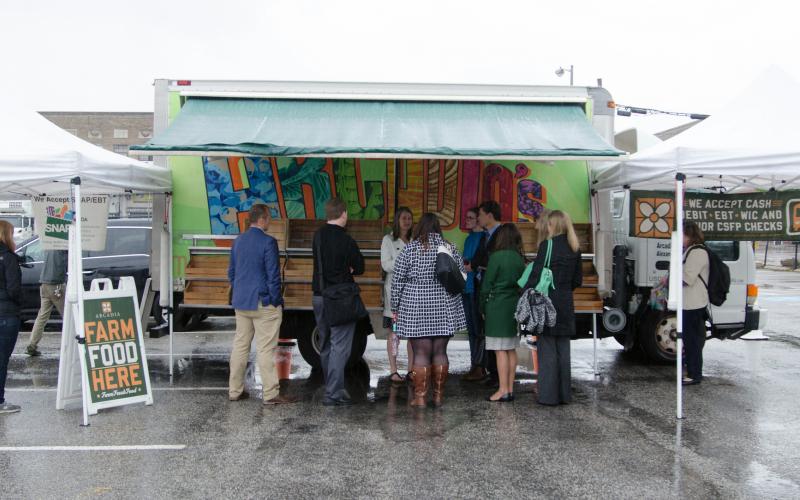
The Benefits of Food Hubs
Food hubs provide another marketing option to producers who do not have time to participate in a farmers market or other direct marketing venues.
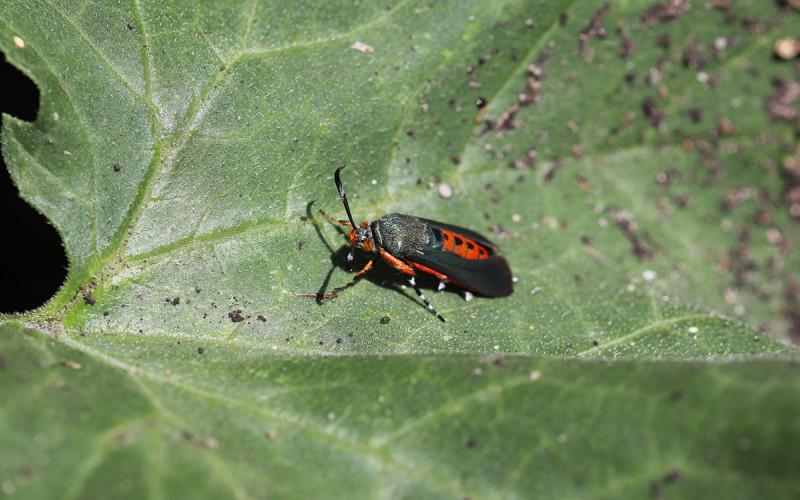
Squash Vine Borer Moths Are Active
Squash vine borer moths have been observed in South Dakota gardens. Now that we know they are active, it is important to take steps to ensure that they don’t have a negative impact on our squash plants.
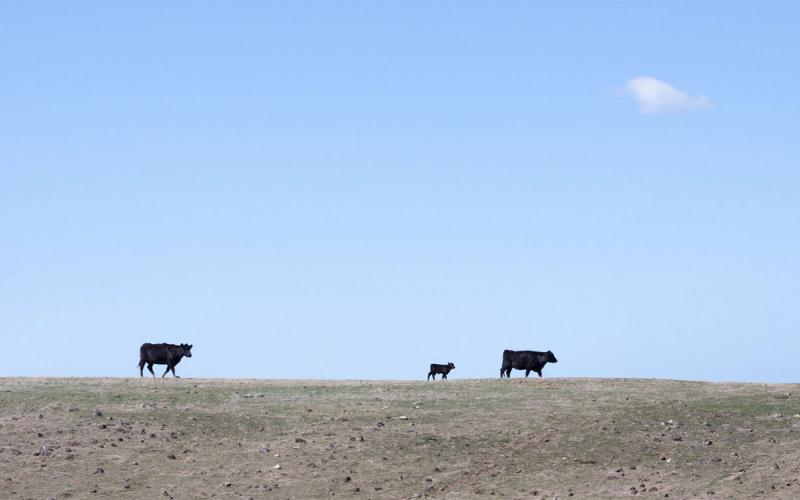
Managing For Annual Swings in Forage Production
Being able to adapt your stocking rate and grazing intensity to fit forage conditions provides you with tangible management actions you can take to protect your pastures from overgrazing in any year.
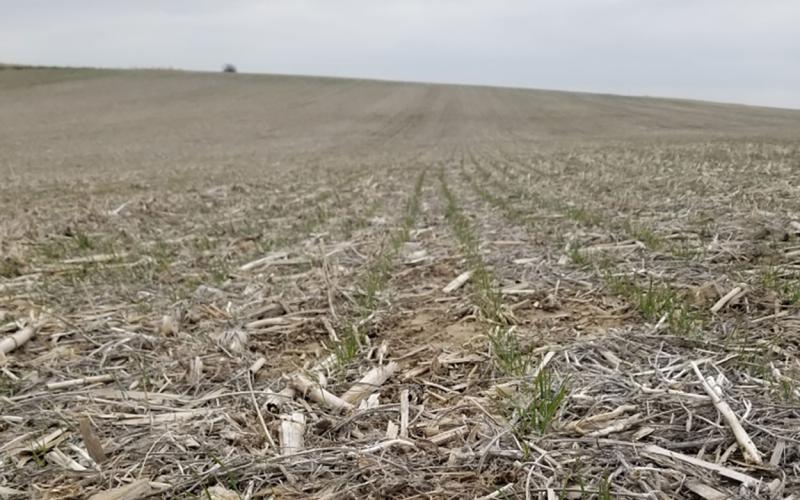
Assessing Winter Wheat Stand In the Spring
Overwintering of winter wheat starts in the late fall and is completed during spring regrowth. Factors, such as genetics, amount of snow cover and winter temperatures, can all play a significant role in winter survival of wheat crops.