Search
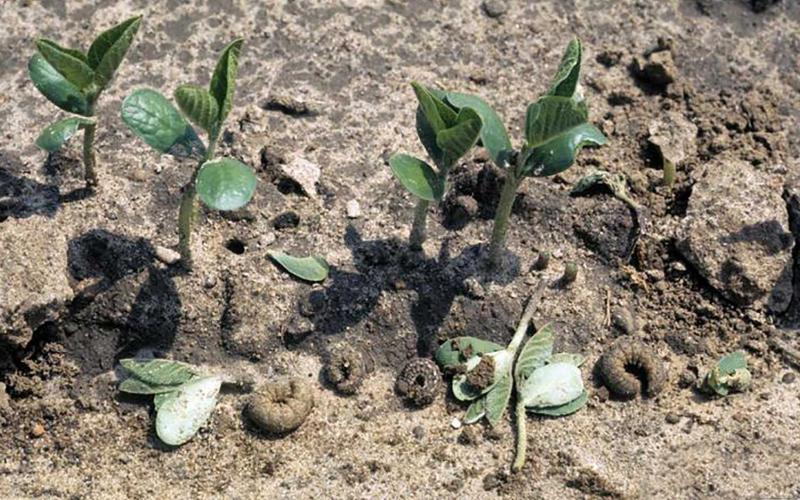
Scout Soybean for Black Cutworm Activity
Typically, we are concerned with black cutworm activity in corn fields. However, 2020 has been anything but a typical year and we are instead concerned with black cutworm activity in soybean fields.
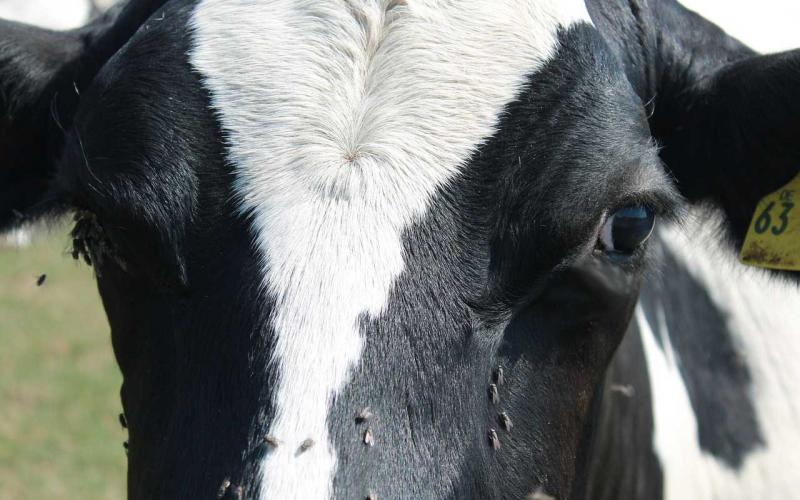
Fly Population Management on Dairies
Fly control on dairies is an important pest management consideration that impacts the bottom line by affecting overall animal productivity and health.

False Chinch Bugs Are Active in Canola
We have received reports of false chinch bug populations in canola this week. Heavily infested canola fields will sometimes appear drought stressed, but closer inspection reveals that false chinch bugs are the culprits for the wilting plants.
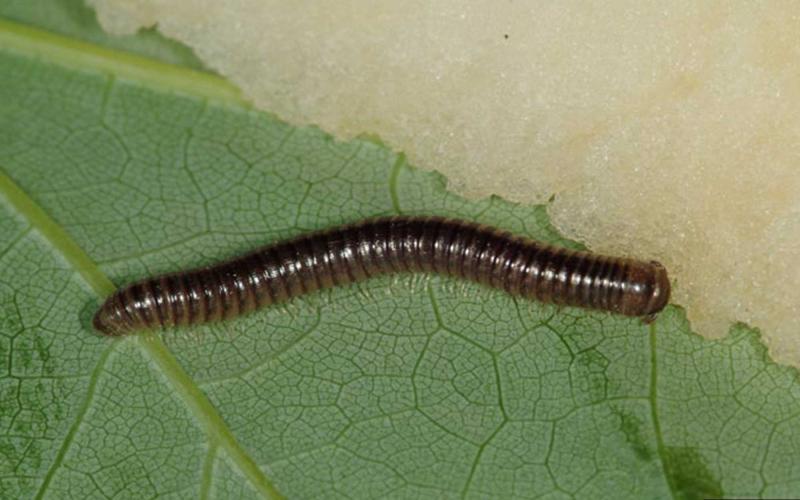
Millipedes May Be Responsible for Reduced Soybean Stands in 2020
When we think of millipedes, it is usually as a nuisance pest indoors. However, there have been reports in South Dakota and neighboring states of millipedes being more than just a nuisance in 2020.
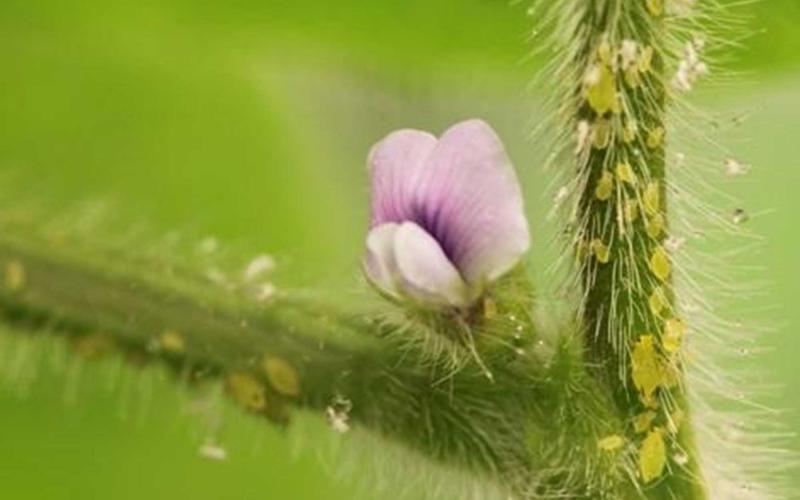
Don’t Get Surprised. Start Scouting for Soybean Aphids.
Soybean aphid populations have been observed in neighboring states and in very small populations in South Dakota. It is a good reminder that soybean aphid scouting should occur throughout the growing season to prevent population outbreaks and yield loss.
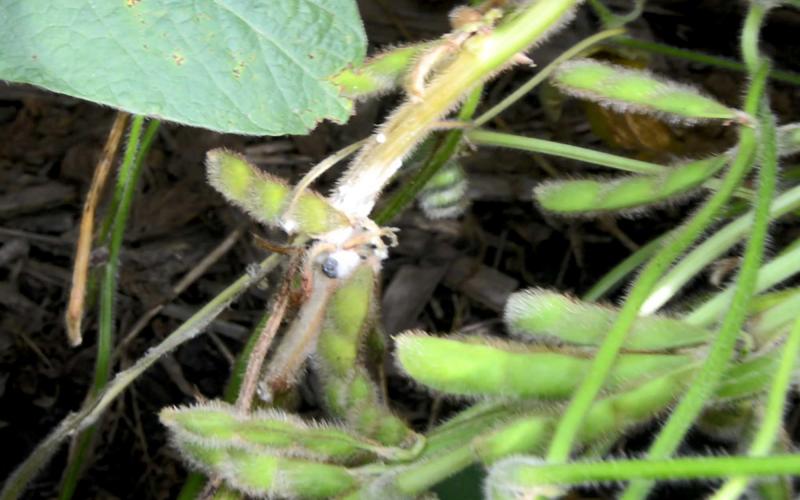
Start of Flowering Is the Ideal Time for White Mold Management in Soybeans
Some early planted soybeans are starting to flower (R1 growth stage). One soybean disease that needs to be managed at this growth stage is white mold.
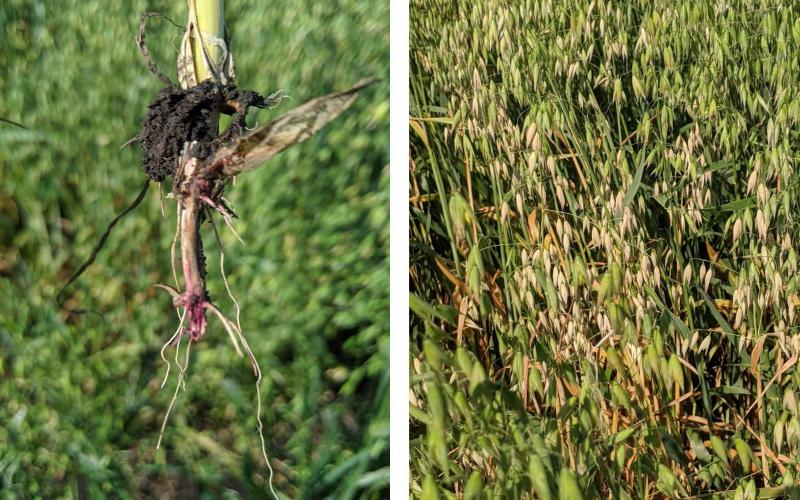
Fusarium Crown and Root Rot Observed in Oats
Some oat fields are showing plants wilting with tillers dying prematurely and heads looking bleached. Inspecting the crown and sub-crown area reveals the discoloration and rotting and sometimes a pinkish color can be observed. These are typical symptoms of Fusarium root and crown rot.
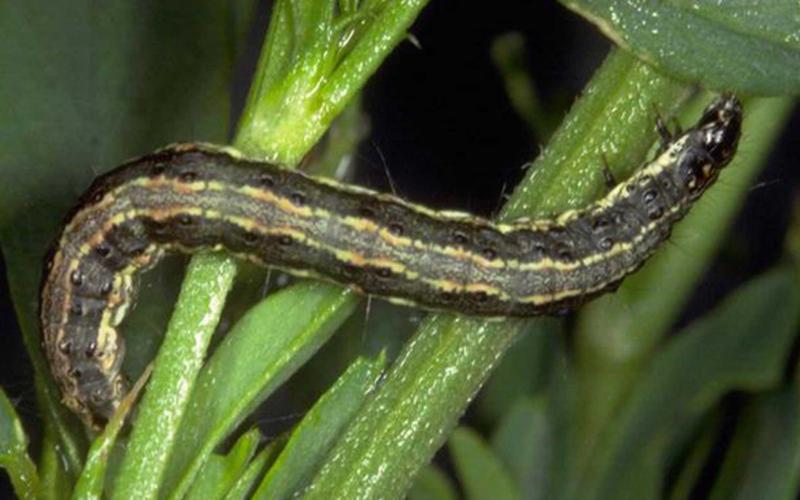
Monitor Soybean and Sunflower for Alfalfa Webworm Caterpillars
In the last couple of weeks, we have received numerous reports of small green caterpillars in soybean and sunflower. The caterpillars have been described as producing webbing and moving extremely quickly when disturbed.
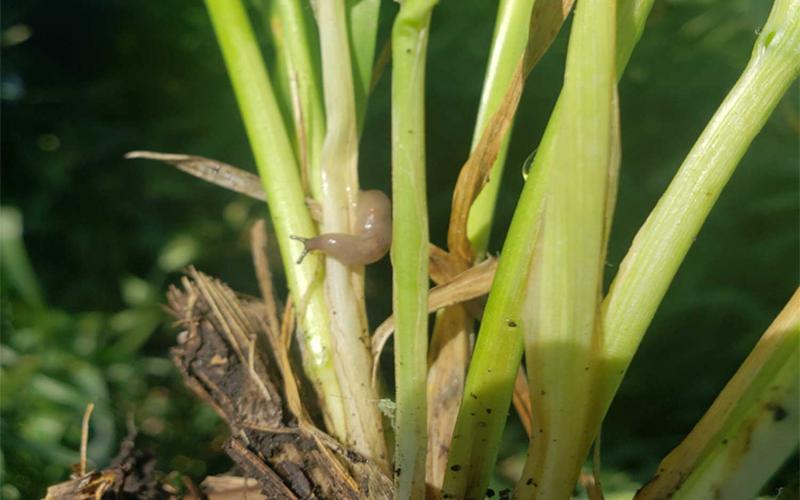
Slugs Causing Issues in Some South Dakota Wheat Fields
Slug activity in wheat fields has been reported in South Dakota. Although slugs are not normally an issue in South Dakota crops, they can pose a threat when field conditions are just right.
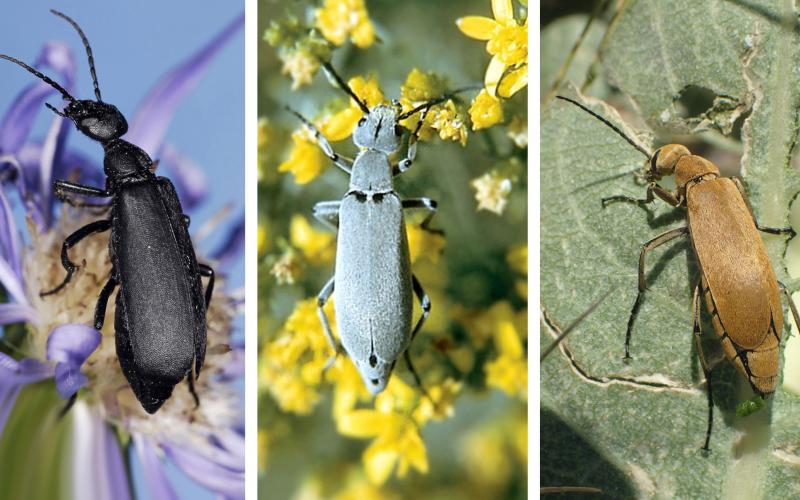
Check Alfalfa for Blister Beetle Activity
Blister beetles are becoming more common as we progress through the growing season. Recently, there have been multiple reports of blister beetles showing up in alfalfa fields.