Search
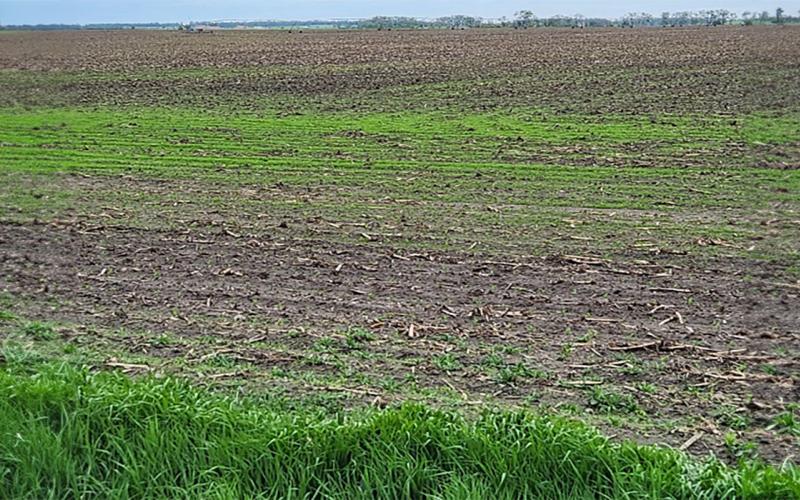
Weeds Are Starting to Emerge: Even After a Preemergence Herbicide Application
During recent scouting, weeds were noticed in plots treated with preemergence herbicides. Learn some troubleshooting considerations to help determine why some weeds emerge following preemergence treatments.
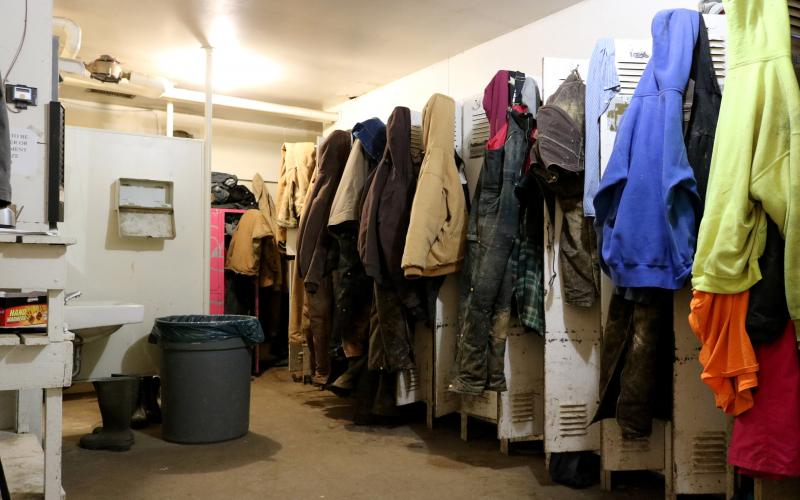
10 Simple Amenities That Will Boost Employee Morale
Agricultural employers who prioritize their work environment and offerings often have employees that are more satisfied and proficient at their work.
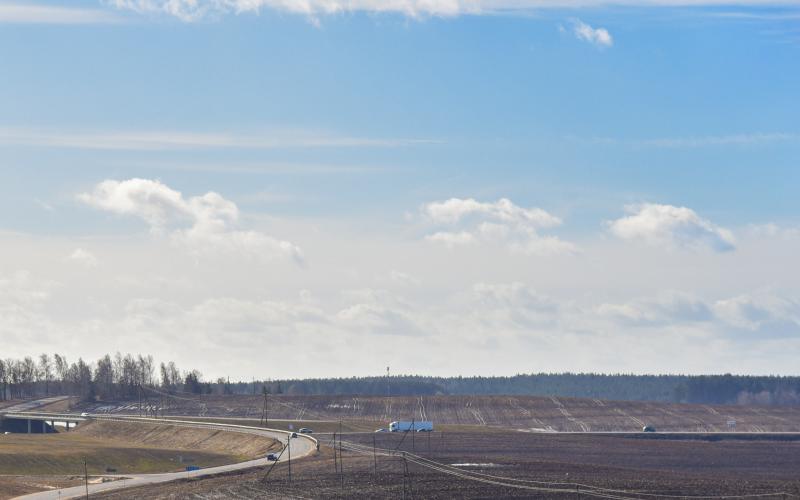
Spring Wheat 2019: A Repeat of Last Year?
The spring of 2019 has been cold and wet in many areas of South Dakota, similar to the spring of 2018. In 2018, despite the challenging weather, spring wheat acres were up 8% from 2017. However, planted acres in 2019 may be reduced as the extended weather forecast shows unfavorable planting conditions extending well into May.

Bacterial Ring Rot: Yet another devastating disease of potato
Ring rot is primarily a disease of stored tubers and seed potatoes, where it produces black or brown lines just below the surface of the potato.
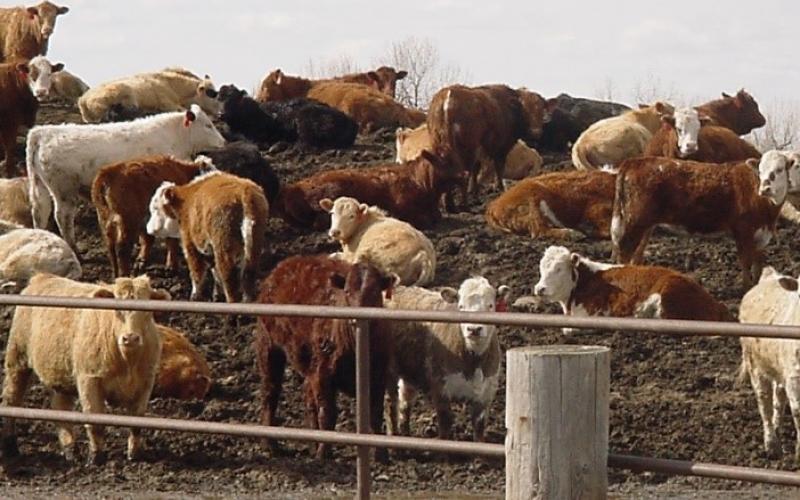
Mud and Lameness in Beef Cattle
Melting snow and spring rains produce conditions that can increase lameness in beef cattle. Mud is among the predisposing causes for cattle lameness.
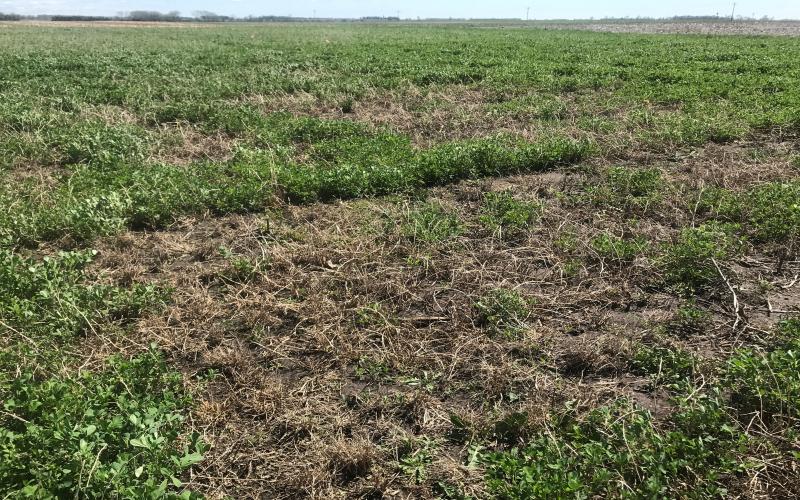
Dealing With Alfalfa Winter Kill
Winter kill and general stand loss of alfalfa has specifically been of concern in many parts of South Dakota the last two years. Most observed alfalfa winter kill is due to low, wet or flooded areas where plants were suffocated and died over the winter.
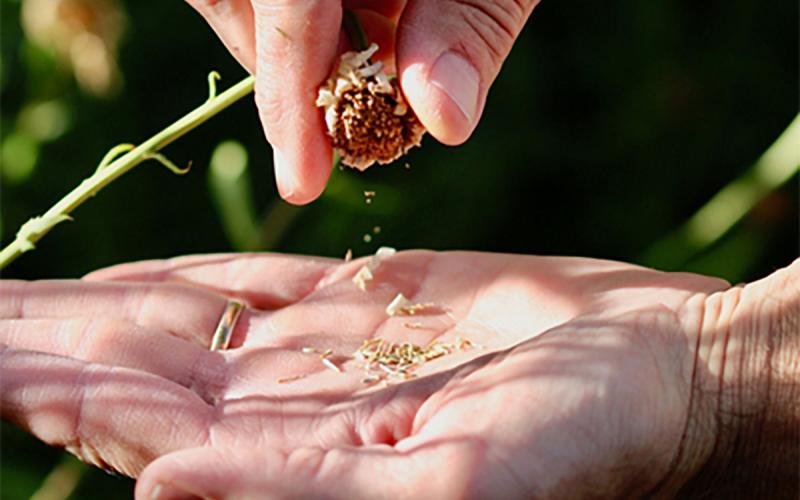
Saving Seed: Will the seed produce plants similar to the plant it was collected from?
It can be very rewarding to harvest and save seed of ornamental and vegetable plants. But why is it that sometimes when we plant the seed we saved, the results do not seem to be very like the plant we collected the seed from?

SDSU Extension welcomes new water specialist
November 28, 2023
South Dakota State University Extension is pleased to welcome Sushant Mehan as a new Water Resource Engineer Specialist and assistant professor.
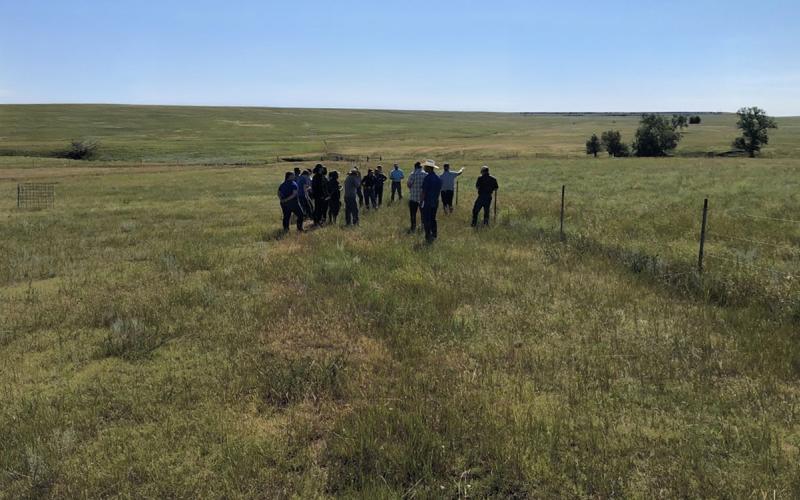
Systems Thinking for Agriculture: A tool for addressing complex ranch problems
A systems approach to management encourages producers to take multiple factors into consideration to solve problems within their agricultural operation.
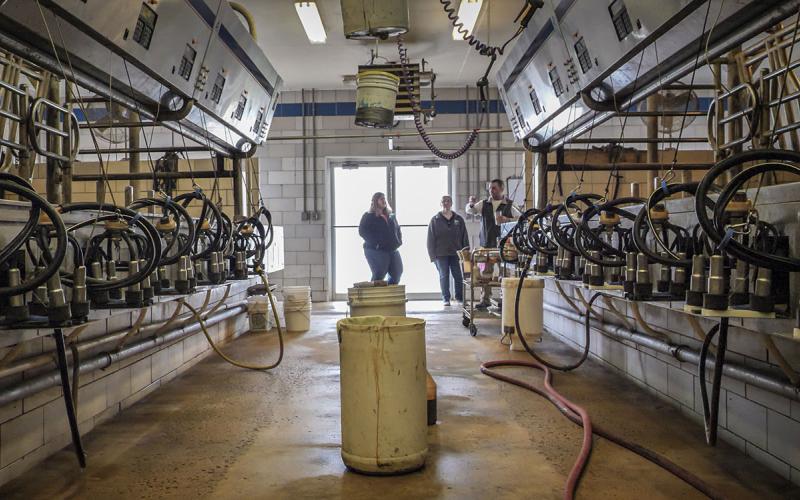
Factors Affecting Teat Skin Condition in Winter
Even though cows are housed in many parts of the country, cold weather may play an important factor in udder health and milk quality.