Search
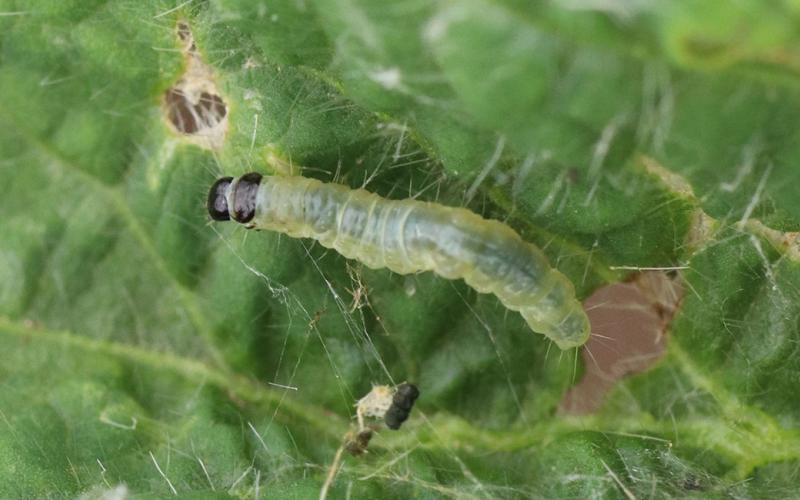
Obliquebanded Leafrollers Active in South Dakota Soybean
If you’ve observed rolled soybean leaves that are held together by webbing, don’t immediately think thistle caterpillar. The obliquebanded leafroller caterpillar will roll soybean leaves and hold the leaf in place with silken webbing.
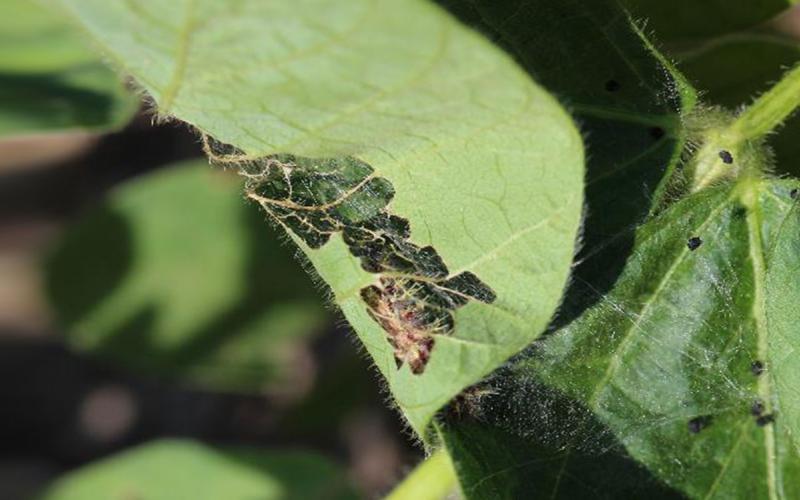
Start Scouting Fields for Thistle Caterpillar Activity
Many of our summer insect pests overwinter in the Southern U.S. and rely on wind currents to travel north in the spring and summer. The thistle caterpillar is one of those pests.
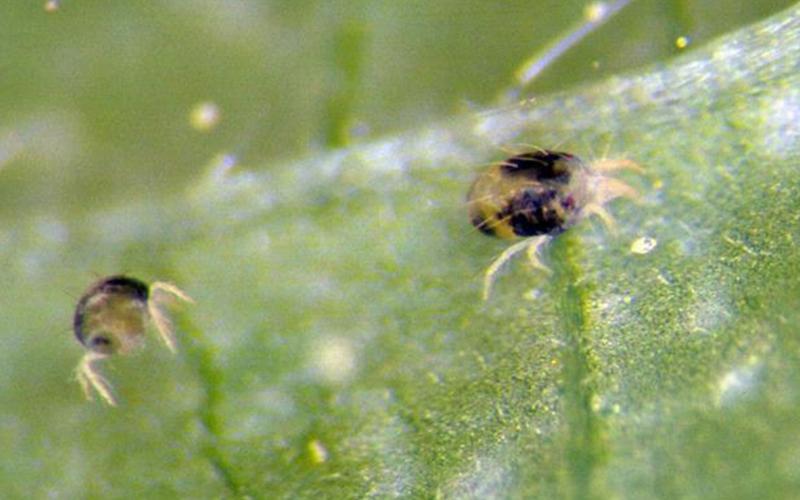
Dry Conditions Are Ideal for Spider Mite Activity
Several counties in South Dakota are experiencing dryer than normal conditions, therefore, it is important to monitor crops for spider mites, as they thrive during periods of dry weather.
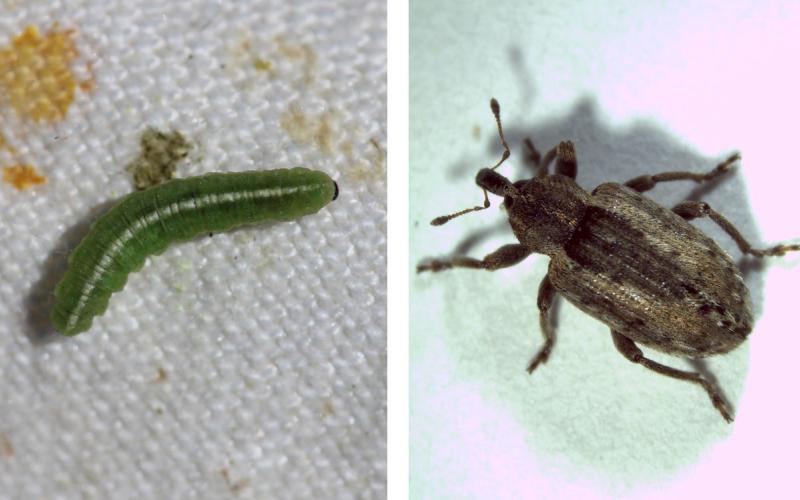
Alfalfa Weevil Larvae Are Active in South Dakota
Alfalfa weevil larvae have been confirmed in alfalfa fields in South Dakota, which means it is time to start scouting fields more regularly. Learn some tips and consideration for scouting your fields.
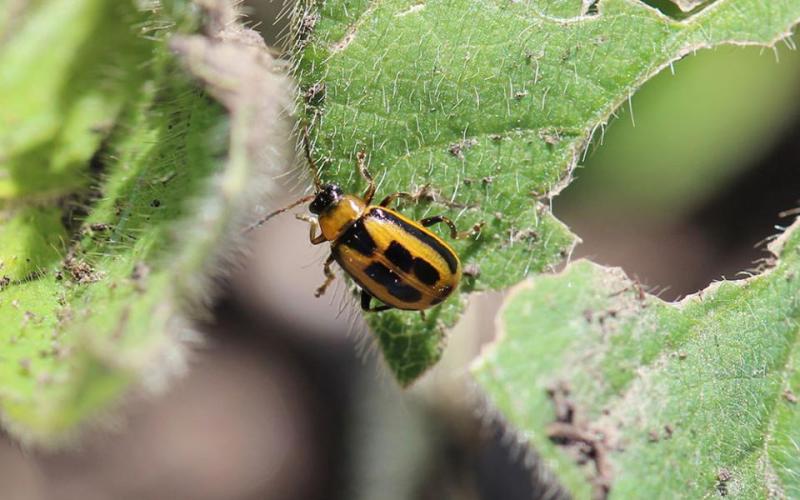
Bean Leaf Beetles Are Active in South Dakota
It’s important to remember early season scouting for bean leaf beetle defoliation. At this time, overwintering bean leaf beetles reach the adult life stage, and they emerge in with an appetite.
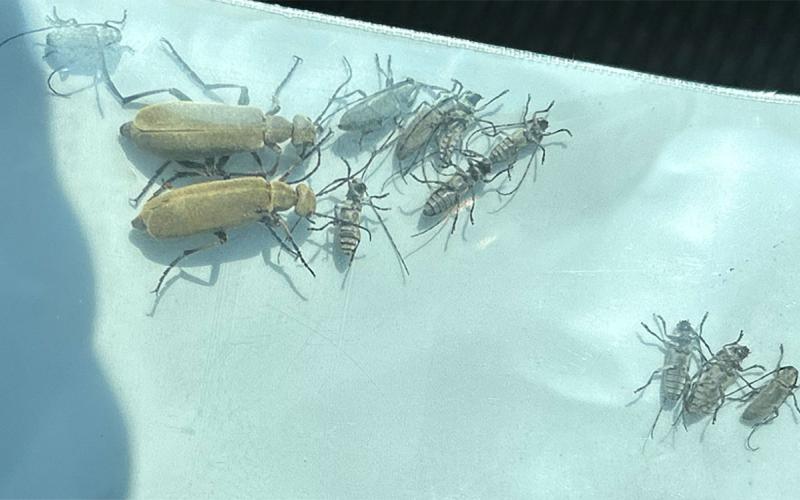
Dectes Stem Borer Adults Are Active in Soybean
SDSU Extension is again surveying soybean in South Dakota for Dectes stem borer adults. After a slow start this growing season, large populations of beetles were observed in soybeans last week.
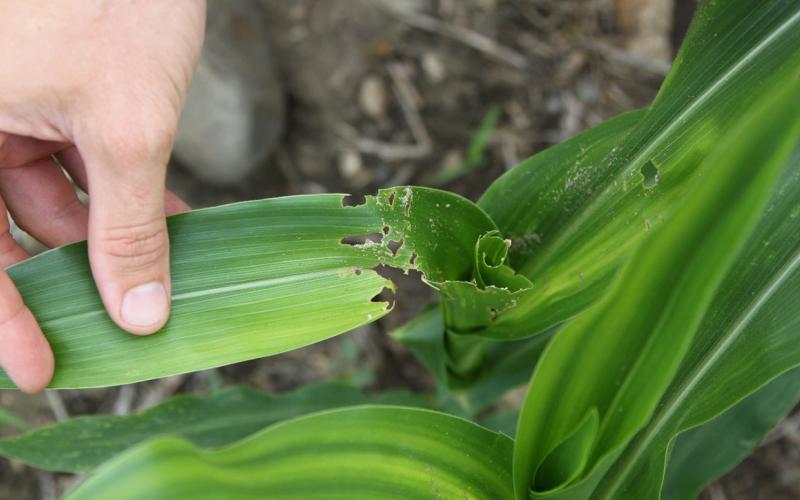
Start Scouting for Common Stalk Borer Activity
Enough degree days have accumulated in some areas of South Dakota for common stalk borer caterpillars to start moving to corn end rows.
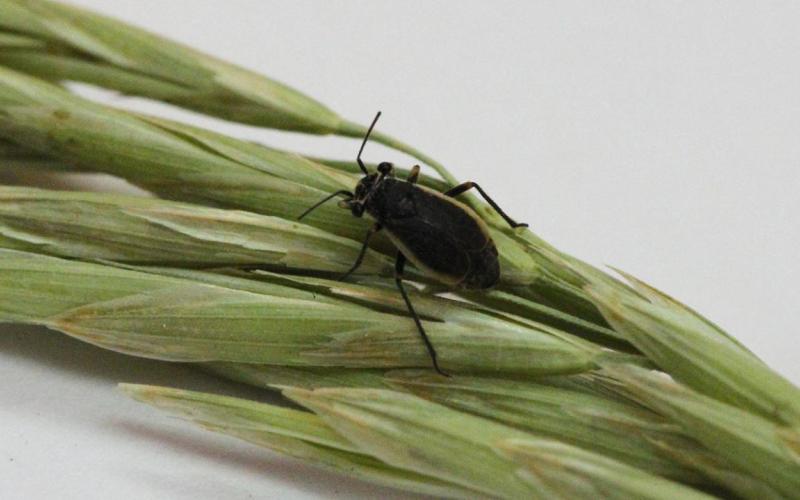
Black Grass Bug Activity Ramping Up
Black grass bugs feed on fresh green growth, which can result in stunted plants and decreased forage quality. Monitoring and potential management of black grass bugs will be of increased importance this spring, especially if drought persists.
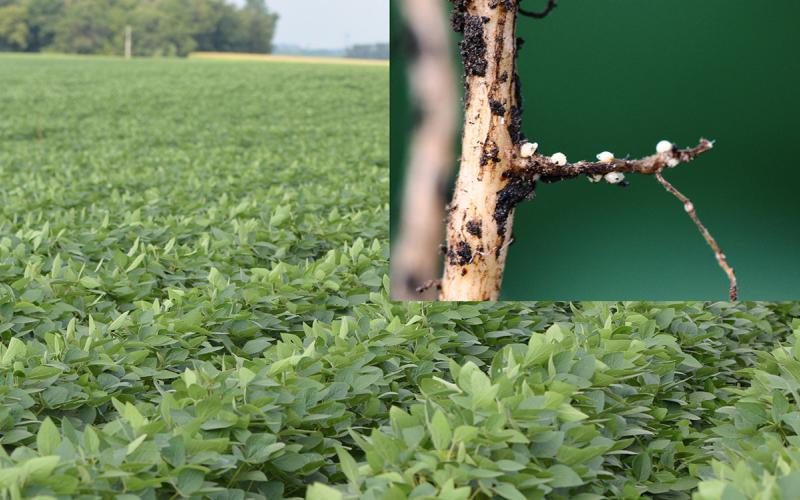
Drought Conditions May Increase Soybean Cyst Nematode Population in Soil
Moisture stress coupled with above-normal temperatures have been linked with increased soybean cyst nematode populations in the soil. In order to keep populations in the soil below the yield-reducing levels, there are a few management practices which can be used.

Farm to (More Than) School
Opportunities for local food procurement go beyond just school lunch! Learn about several child nutrition programs and settings that may accept local foods.