Search
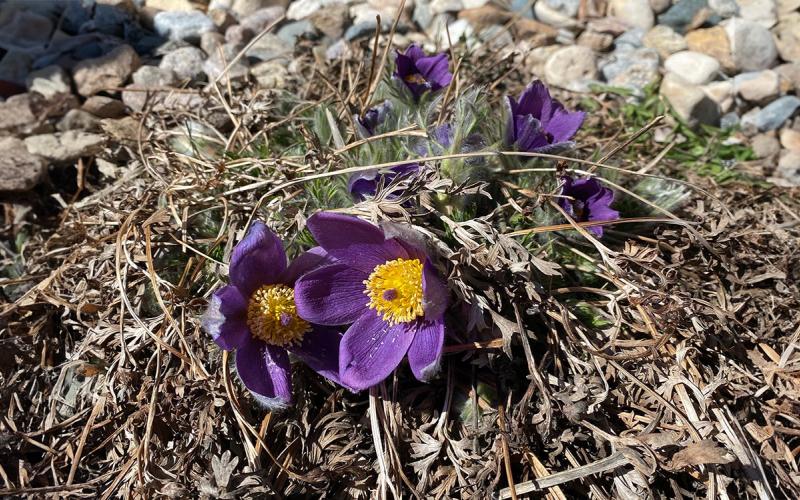
Landscaping Best Practices for Pollinators and Beyond
Our yards are all part of a greater ecosystem. By incorporating some best practices into your landscaping routine, your yard can develop healthier soil, support more pollinators, and reduce the need for pest control.
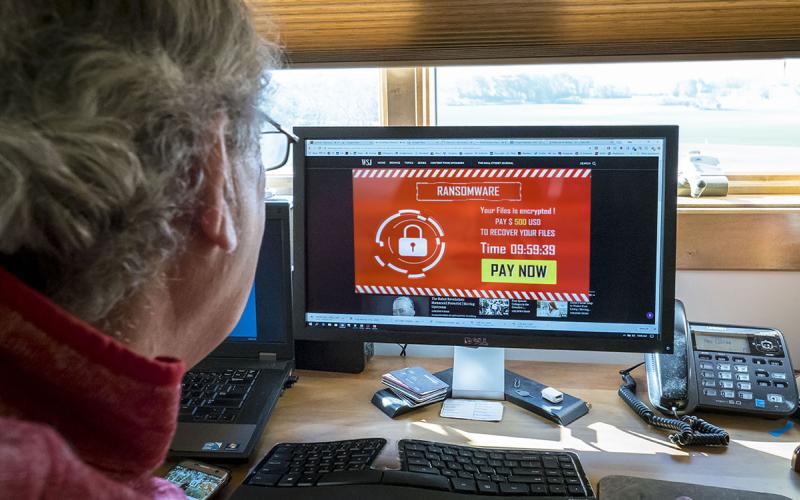
Ag Cybersecurity and Social Engineering 101
Social engineering is manipulating individuals to share confidential information and compromise security. By understanding the basics of social engineering, stakeholders can take proactive steps to ensure the resilience of agricultural systems against cyber threats.
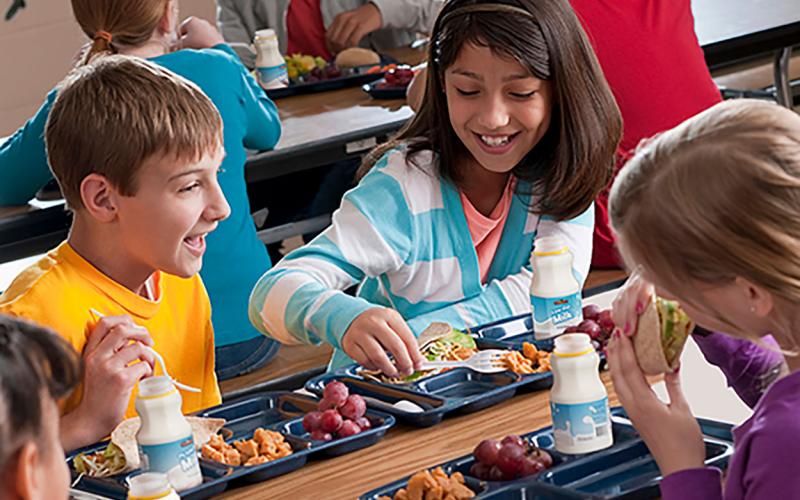
Farm to (More Than) School
Opportunities for local food procurement go beyond just school lunch! Learn about several child nutrition programs and settings that may accept local foods.
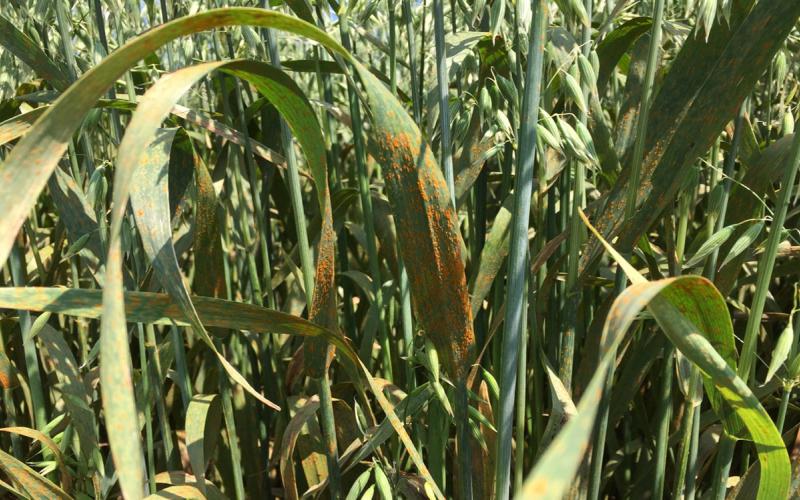
Crown Rust of Oats
Crown rust continues to be the most economically damaging and important fungal diseases of oats in South Dakota. Learn how to recognize and manage it in oat fields this growing season.
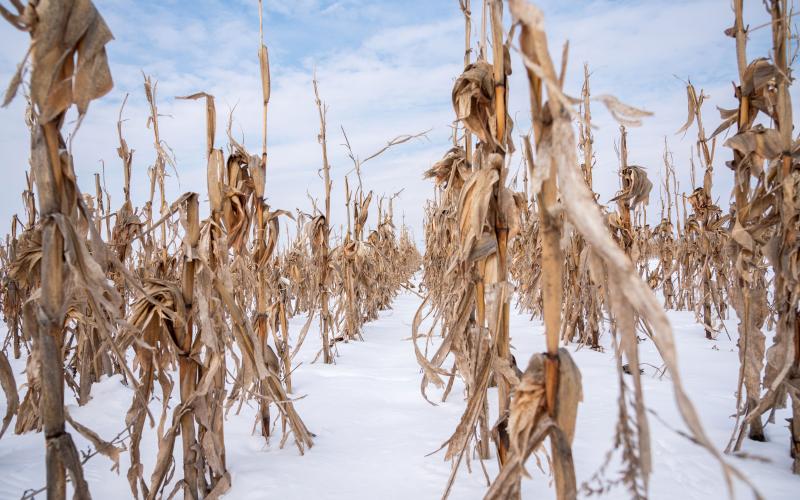
Standing Corn Considerations
The January 2020 South Dakota Crop Progress Report indicated four percent of S.D. corn acres remain in the field. Given the record rainfall of 2019, current snow pack levels and the 3-to-6-month precipitation forecasts, farmers will likely be dealing with a wet spring in 2020, thus making the removal of those acres important but hard to accomplish.

Proper Residue Management is Essential When Adopting No-Till Practices
Minimizing disturbance and keeping the soil covered are two of the soil health principles. One of the best ways to incorporate these principles is to adopt no-till. To be successful when adopting no-till, it starts when combining the crop from the prior year.
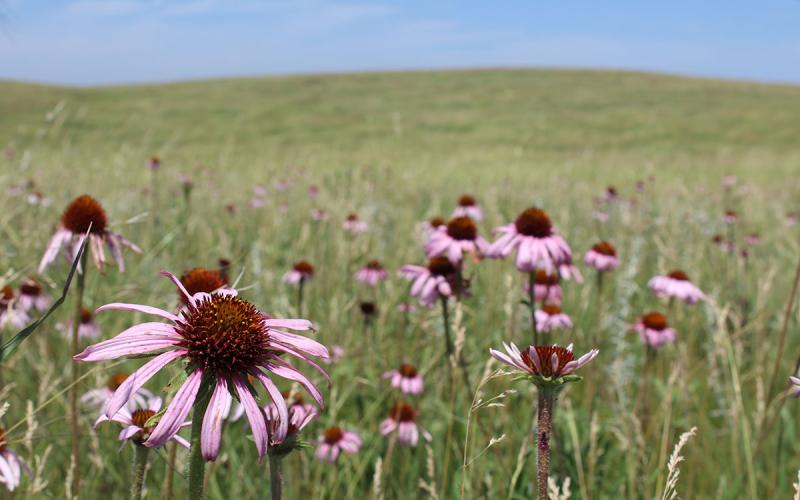
Five Frequently Asked Questions About Native Plants
The Native Plant Initiative works strengthen research, education, and Extension related to native plants in our region. As this work has grown, some common questions have emerged about incorporating native plants in landscapes throughout the state.
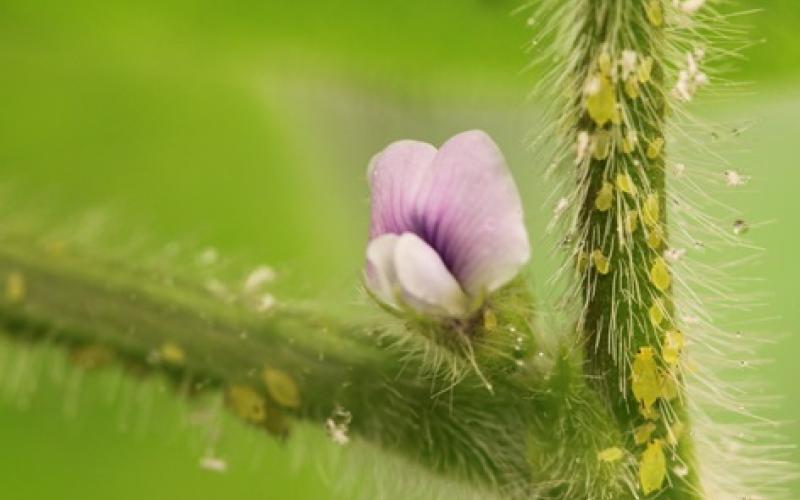
Why the 250 Threshold is Still Appropriate for Soybean Aphids
When gearing up for soybean aphid scouting, it is important to think about the population densities that warrant insecticide management.
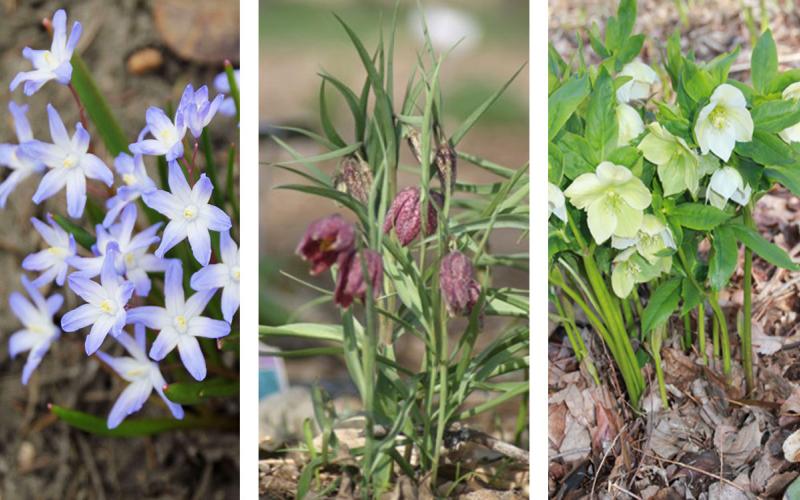
Early Spring Bloomers
From the delicate "Glory of the Snow" to the stunning "Lenten Rose," learn about some of the beautiful, lesser-known, spring-blooming perennial flowers that can be grown in South Dakota gardens.

Financial Record Keeping Software: A comparison of Quicken and QuickBooks
As fall nears many producers are beginning to gather their records to prepare for taxes. From these records many important operating decisions are made. Agriculture producers often use computer software to keep financial records. While there are software packages tailored for farm and ranch businesses, many producers successfully use general commercial software such as Quicken® or QuickBooks®. Both products can be useful for an agricultural producer’s record keeping. The question which often arises from producers is, “which one do I need”?