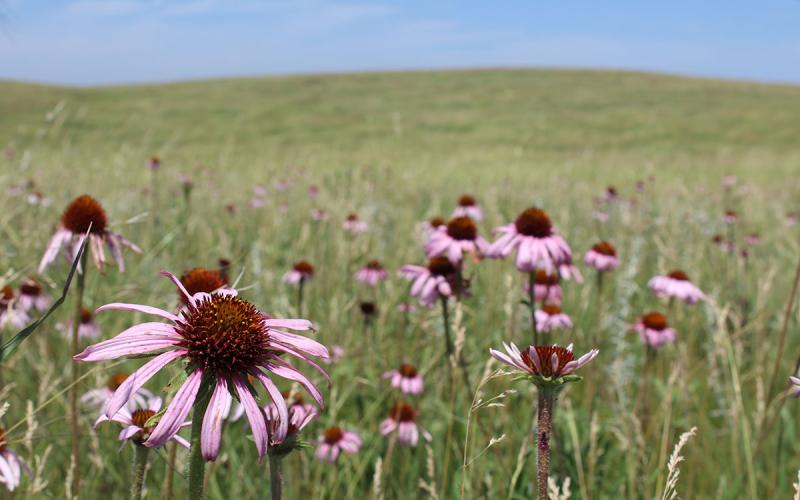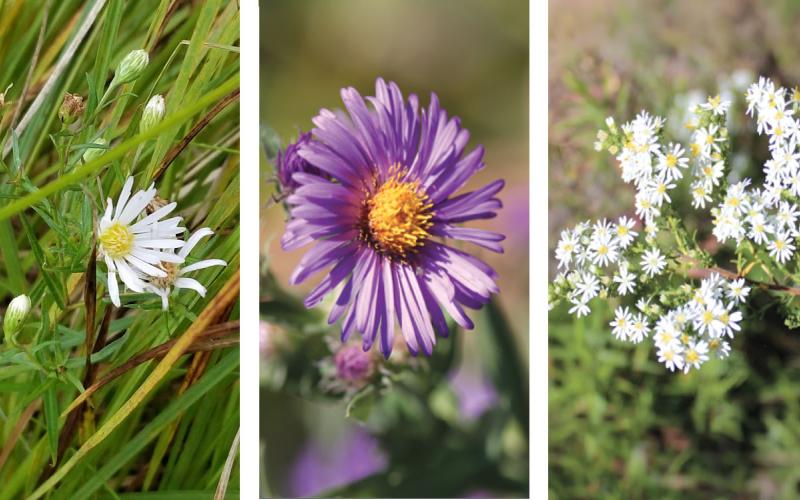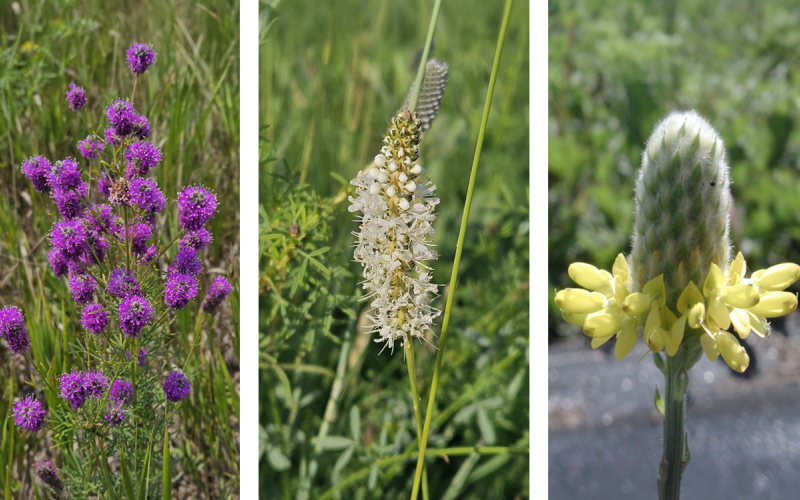
The Native Plant Initiative (NPI) at South Dakota State University began in 2019 to strengthen research, education, and Extension related to native plants in South Dakota and across the Northern Great Plains. As this work has grown, so has interest from landowners, communities, organizations, and others who want to better understand and use native plants. These frequently asked questions address some of the questions we hear most often.
Frequently Asked Questions
What are native plants?
Native plants are species that occur naturally in a particular site without having been moved there by people. In contrast, non-native plants occur outside their natural range because they were moved, intentionally or unintentionally, by people.
Why do native plants matter?
Native plants are adapted to South Dakota’s soils and weather. They provide food and habitat for pollinators, butterflies, birds and wildlife. Native plants are the foundation for healthy ecosystems and contribute to the distinctive character of our landscapes. These are plants that are often unique to South Dakota and may not occur anywhere else.
Who uses native plants?
Native plants are used by homeowners, businesses, communities, landowners, conservation organizations, and government agencies. They are planted in public and private landscapes, used to create wildlife and pollinator habitat, incorporated into land-management projects, and used to restore prairies, wetlands, roadsides, and other natural areas.
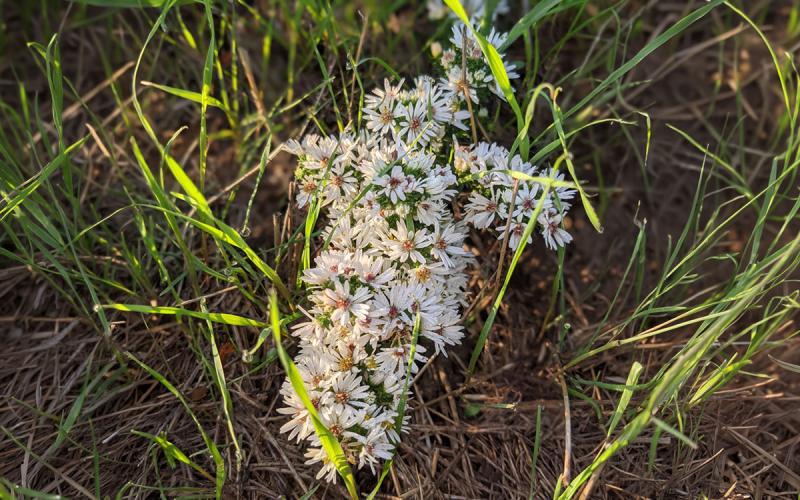
Why do we need to grow native seeds? Can’t we just collect what we need from the wild?
Native prairies and other natural areas are smaller and more fragmented than they were historically. The remaining plant populations cannot supply the large amounts of seed needed for restoration without being harmed. Excessive wild collection can reduce future seed production, decrease the population size of our native plants, and threaten the long-term persistence of our native plants in the wild. Growing native plants specifically for seed provides a reliable supply and protects the wild populations that remain.
What are some problems with using non-native plants instead of natives?
Non-native plants were historically not part of our ecosystems. They may or may not be suitable for our weather and soils. Our native wildlife may not get the same benefits from non-native plants as they do our native plants. Some non-native plants have potential to become invasive. That is, they can spread, replace native plants, degrade ecosystems, and are costly to control.
For more information on the work happening on native plants in South Dakota, refer to the Northern Great Plains Native Seed Strategy.
About the Native Plant Initiative
Native plants are the foundation that supports insects, pollinators (including bees), birds and wildlife.
Learn More