Search
Soil Salinity, Sodicity, and Alkalinity in South Dakota Soils
Salinity and sodicity are issues that negatively affect crop production and soil health in South Dakota.
SDSU Extension to provide educational sessions during 2025 Dakota Farm Show
December 19, 2024
South Dakota State University Extension will provide a day of educational sessions for crop and cattle producers during the 2025 Dakota Farm Show in Vermillion.
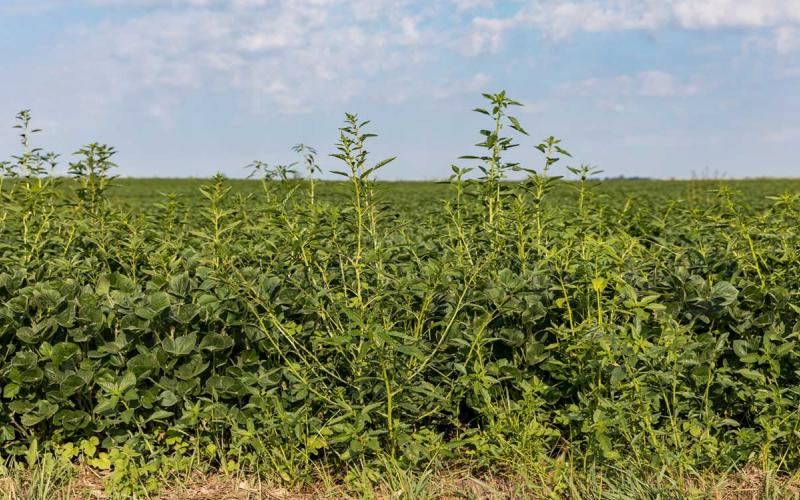
Enlist One (2,4-D) and Liberty (Glufosinate) Applied Alone or Mixed During the Day and Night: Weed Control and Soybean Yield Implications
Fact sheet on the research done to determine weed control effectiveness with Enlist One and Liberty alone and tank mixed when applied during the daytime and nighttime.

Bloom and Grow
SDSU Extension will host a series of workshops teaching horticulture techniques from January to October at McCrory Gardens.
Identification and management of common ragweed and giant ragweed
Fact sheet to help identify and manage common ragweed and giant ragweed.
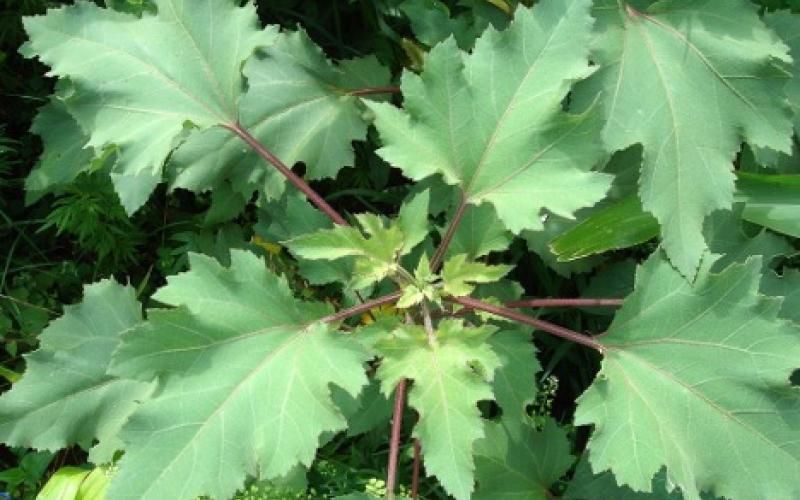
Identification and management of common cocklebur
Fact sheet to help identify and manage common cocklebur.
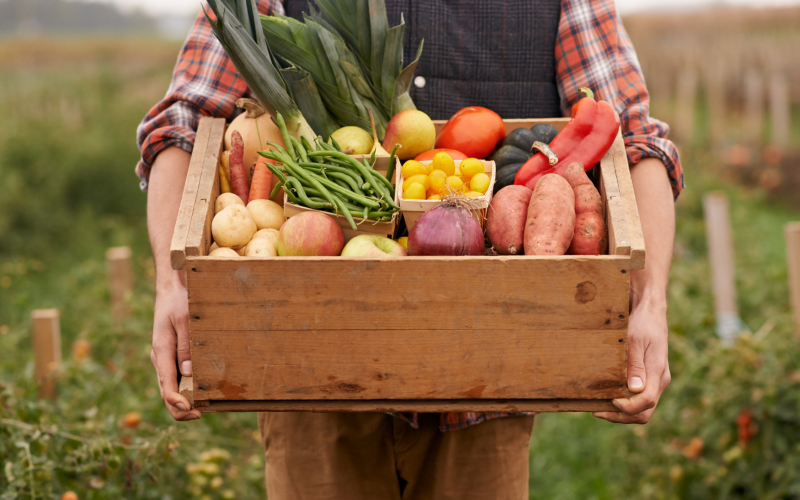
South Dakota Virtual Vegetable Short Course
The goal of the vegetable short course is to empower South Dakota vegetable producers to improve and expand their operations.

Integrating Living Mulch on Vegetable Farms in South Dakota: 2024 Results
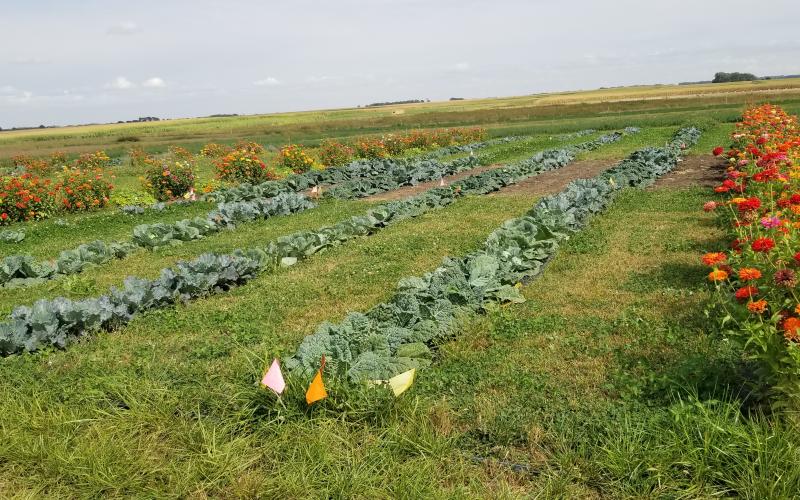
Research report determining the impact of two established clover species on weed suppression, crop growth, and yield of severable brassica species.
SDSU Extension to host virtual training series on vegetable production
January 17, 2025
Designed to empower small and medium-scale commercial specialty crop producers to improve and expand their operations, the short course will provide practical, science-based vegetable production information.
SDSU Extension to host tar spot webinar
January 24, 2025
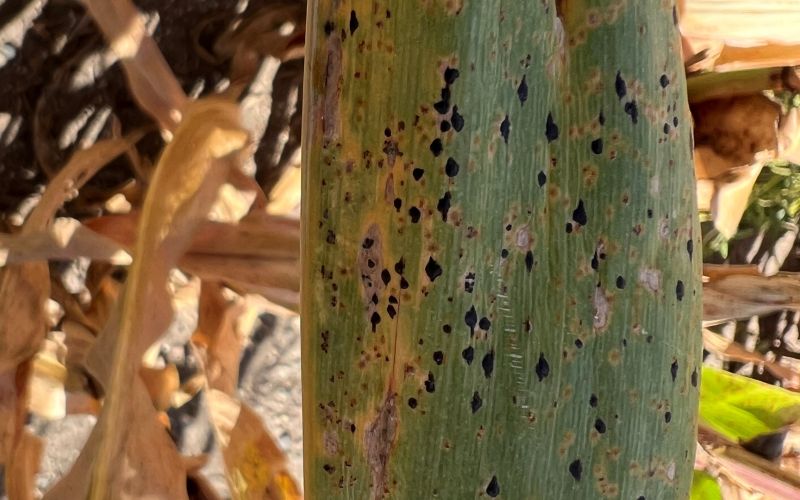
Tar spot is a potentially yield-impacting corn disease that was confirmed in 46 of South Dakota’s 66 counties in 2024. The fungus can cling to crop residue over the winter and re-emerge once temperatures rise. It’s most commonly spread in South Dakota by wind-blown spores.