Search
Silage Moisture Testing Tips
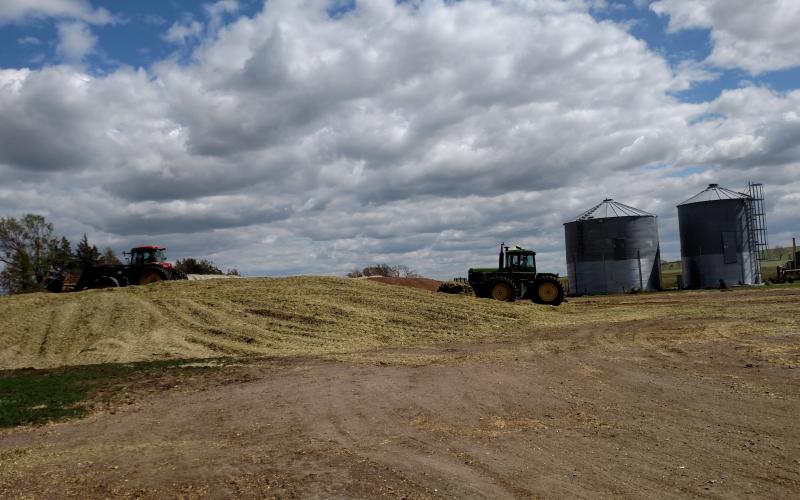
Two key points to keep in mind when making high-quality silage are moisture content before harvest and nutrient content before feeding.
Junior Arborist Activity Guide
The Junior Arborist Activity Guide provides objectives, content, equipment and supplies needed to complete 8 modules of arboriculture instruction, helping schools and other educational programs to create a youth arboriculture program of their own.
Bacterial Leaf Blight Developing in Winter Wheat
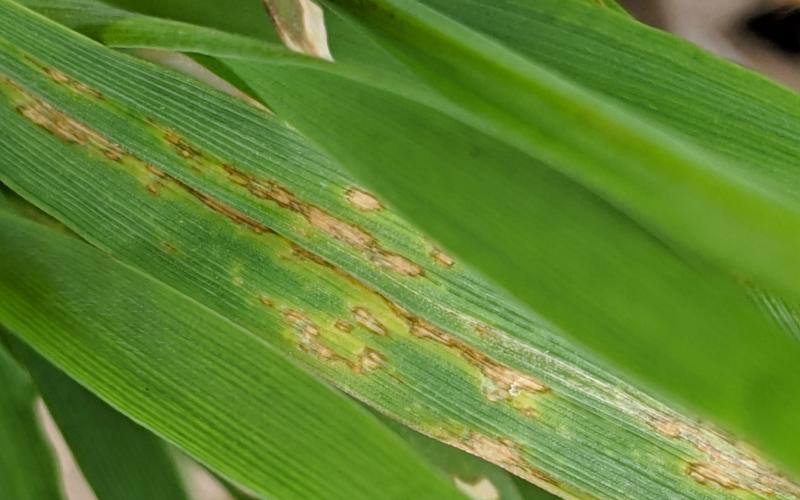
Recent winter wheat scouting found bacterial leaf blight developing in some fields. Bacterial leaf blight is caused by the bacteria, Pseudomonas syringae pv. syringae. The disease develops under frequent rains between 59 and 77 degrees Fahrenheit.
Protecting Yourself From Ticks
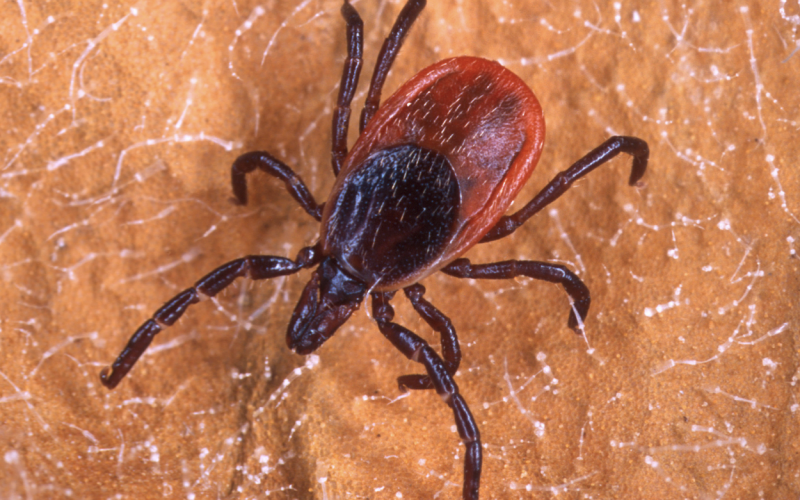
During wet springs, tick populations tend to thrive in South Dakota. These parasitic arthropods require blood to fulfill their nutritional needs and commonly use humans as a host. Some ticks can also carry bacterial diseases that are a threat to human health.
An identification guide to common Ticks of South Dakota
A guide to identifying common ticks in South Dakota
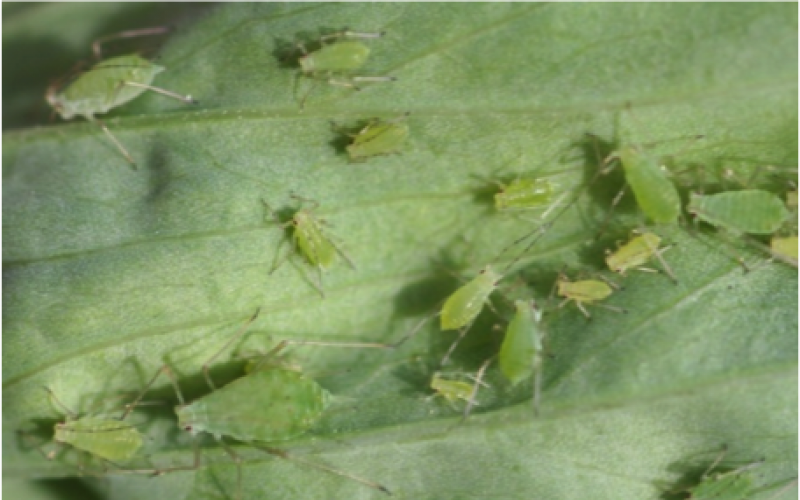
Soybean Aphids in South Dakota
Factsheet on Soybean Aphids in South Dakota

2017-2018 Multi-State Organic Oat Variety Trial Results
The tight production margins currently present in agriculture have increased interest in growing organic oats.
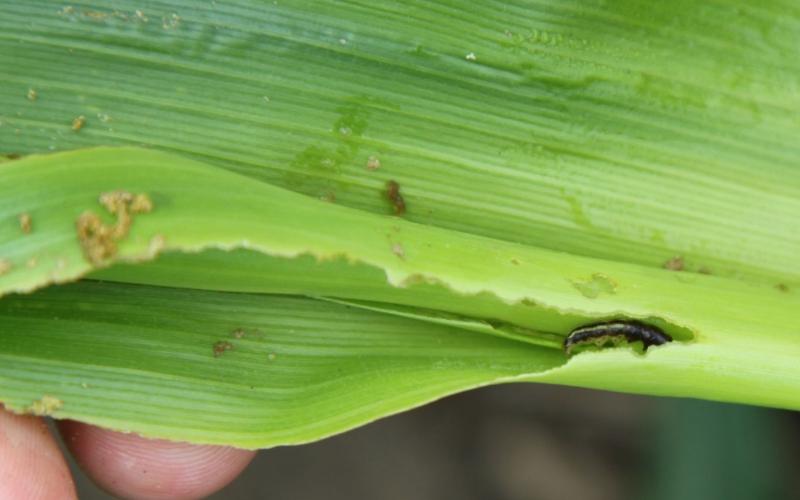
Common Stalk Borer Activity Update: May 16, 2019
The hatching and movement of common stalk borer caterpillars can be estimated by using degree days with a developmental threshold of 41 degrees Fahrenheit. Common stalk borer eggs typically begin to hatch at 575 degree days.
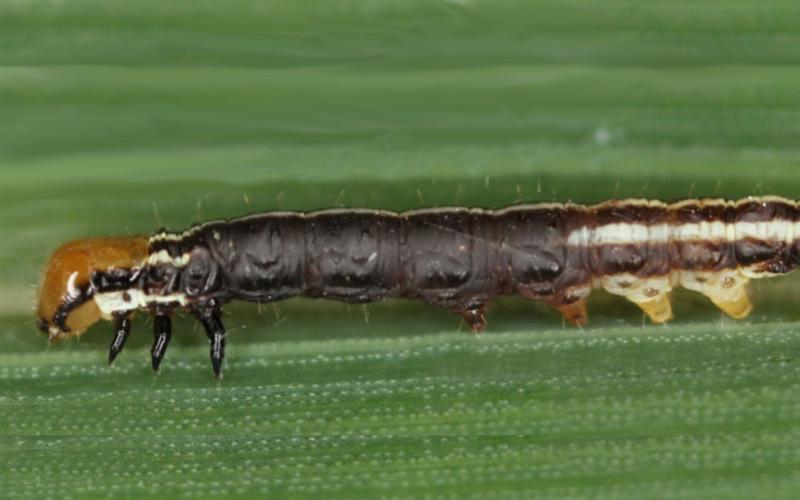
How to Identify Common Stalk Borers and Thresholds
As corn is being planted, it is important to remember that there are insect pests capable of injuring young, vegetative corn. One such pest is the common stalk borer. Although common stalk borer outbreaks are sporadic, when present in high numbers they can cause significant yield loss.
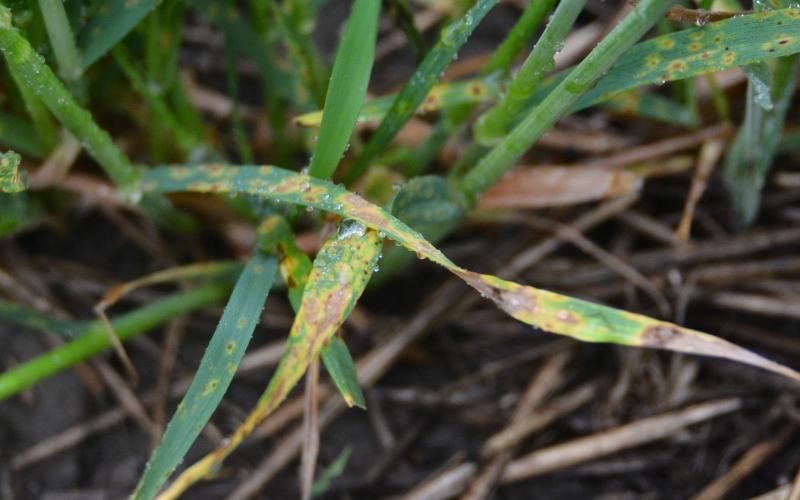
Diagnosing Early Diseases in Winter Wheat
Winter wheat progress is relatively behind the five-year average given the long winter season and low spring temperatures. However, it is important to scout and diagnose early-season diseases in winter wheat to determine the need for an early season fungicide.