Search
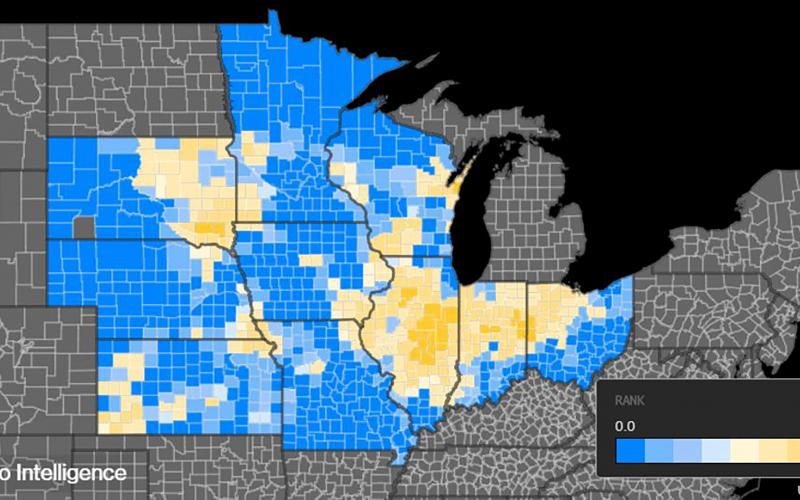
Stretching Corn Silage Supplies
During the 2002 drought there was a need to stretch corn silage supplies as a result of the drought that affected the U.S. Now we deal with the opposite scenario, where excessive spring rains have not allowed farmers to get to the fields. In both situations livestock producers face challenges.
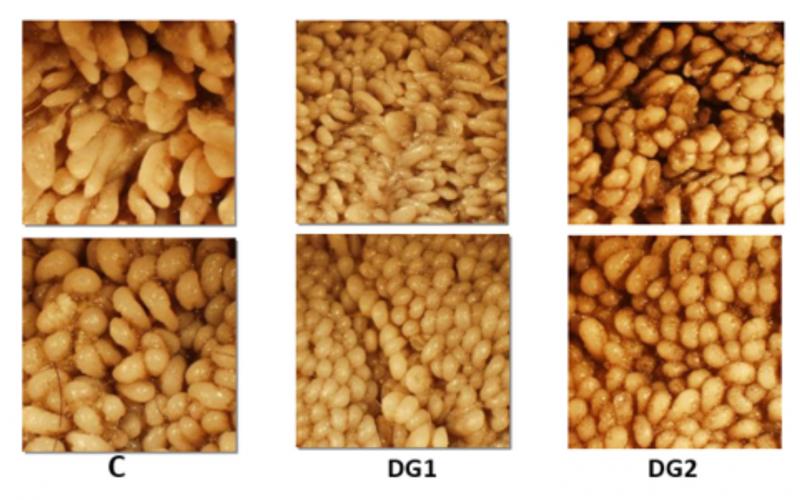
Distillers’ Grains and Rumen Papillae Growth
Distillers grains are without a doubt one of the most versatile ruminant feedstuffs. Aside from their high concentration of sought-after nutrients (i.e. protein, energy, phosphorus), their impact on the digestibility of other feeds is minimal. In fact, by not interfering with the digestion particularly of structural carbohydrates, they allow for more energy to be obtained from forages.
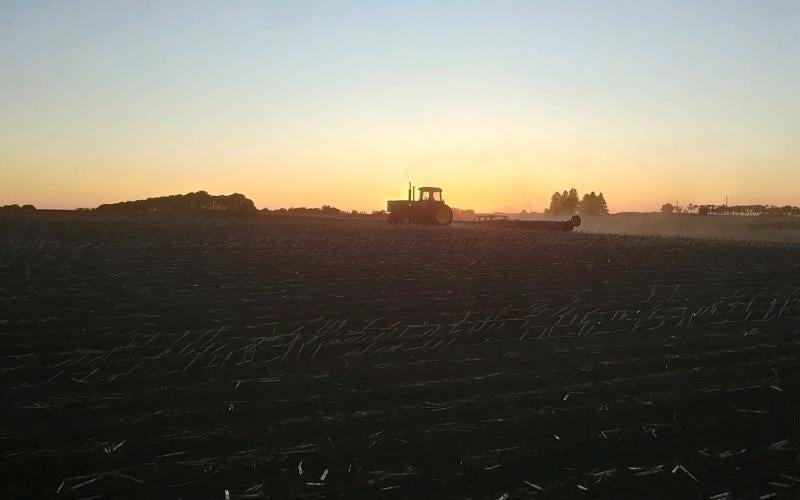
Soybean Rolling: Yield Effects
Land rolling soybeans has become a common management practice in many areas of South Dakota. The main reason for using a land roller on soybean fields is to push down rocks and level the soil surface for harvest, in theory reducing the amount of rocks and other debris that can potentially damage a combine header.
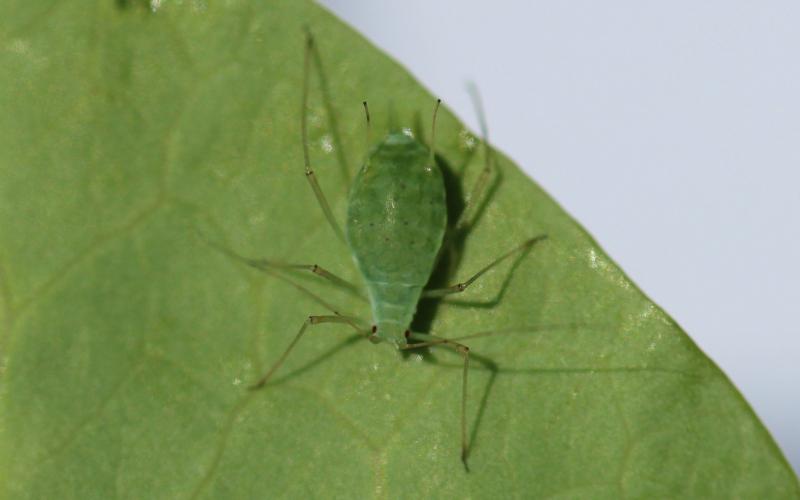
Pea Aphid Populations Increasing in Alfalfa
While scouting alfalfa this week, we noticed pea aphid populations are starting to increase. The forecast is looking favorable for this pest, so it will be important to continue monitoring populations prior to and after the first cutting.
![A herd of cattle gather around a stock pond on a vast, lush grassland. Courtesy: USDA [CC BY 2.0]](/sites/default/files/styles/teaser_800x500/public/2019-05/W-00231-00-cattle-grazing-grassland-pasture-range.jpg?h=8f818b46&itok=6GS1_Ww0)
2017 Weed Control: Pasture and Range
There are 24 million acres of native and tame pasture and range as well as 1.4 million acres of grass hayland in South Dakota.
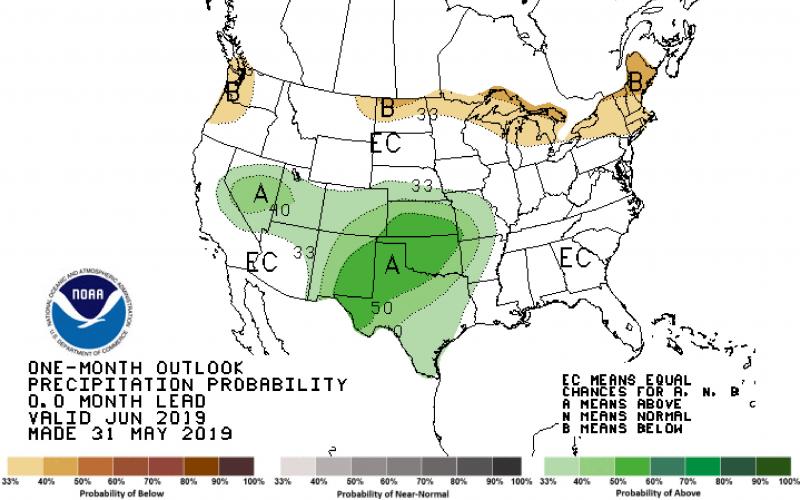
June 2019 Climate Outlook for South Dakota
As South Dakota emerges from the wettest 12-month period in 124 years of climate recordkeeping (June 2018-May 2019), June has started warmer and drier than average. The outlook, however, turns towards cooler and wetter than average again for the middle of the month.
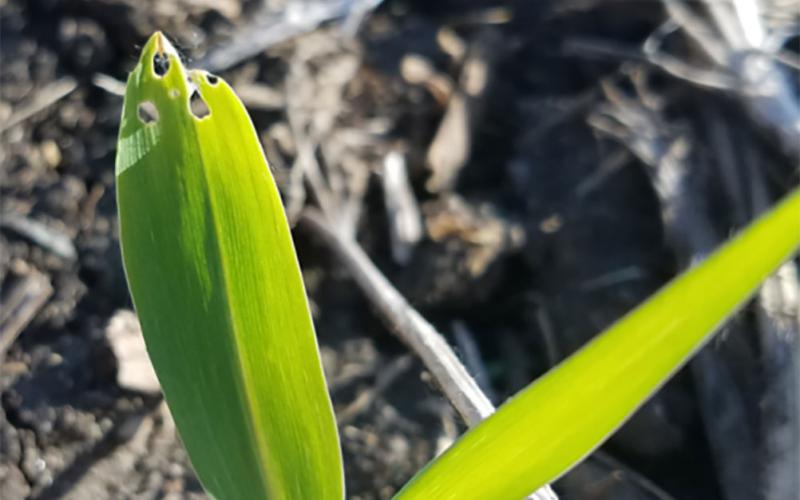
Black Cutworm Caterpillars Are Actively Feeding in South Dakota
We received numerous reports this week of small holes in V1-V2 corn plants. The holes are the result of early instar cutworm caterpillar feeding and, more specifically, black cutworm caterpillars. After hatching, black cutworm caterpillars initially feed on the leaves. As they develop and become larger, they pose a clipping or cutting threat to corn.
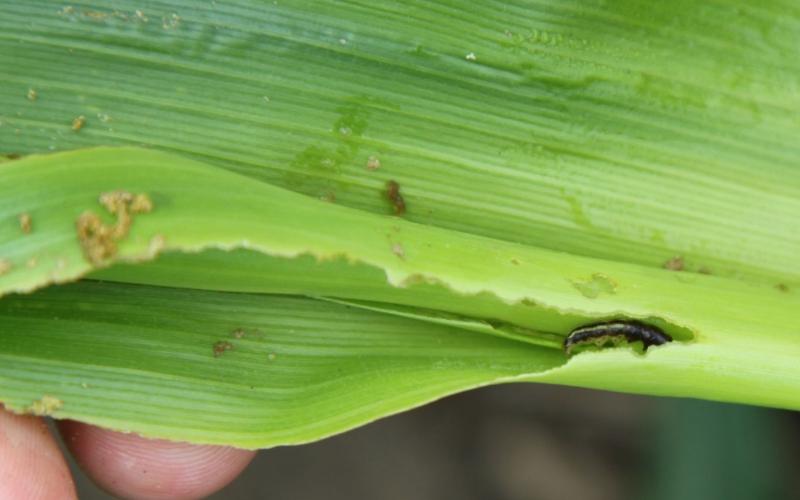
Common Stalk Borer Activity Update: June 6, 2019
It finally warmed up and the insects have definitely become more active. However, our calculations indicate that not enough degree days have been accumulated for common stalk borer activity to warrant any scouting, but spraying field edges should be avoided through most of South Dakota in the next week.
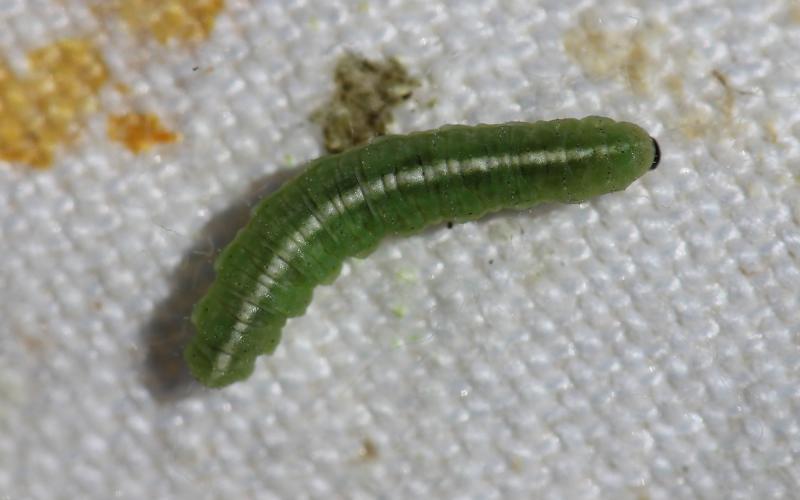
Alfalfa Weevil Activity: June 7, 2019
Quite a few degree days were accumulated over the course of the last week. Alfalfa fields should be closely monitored for alfalfa weevil activity for the next couple of weeks, even in areas where degree days indicate the alfalfa weevils are pupating.
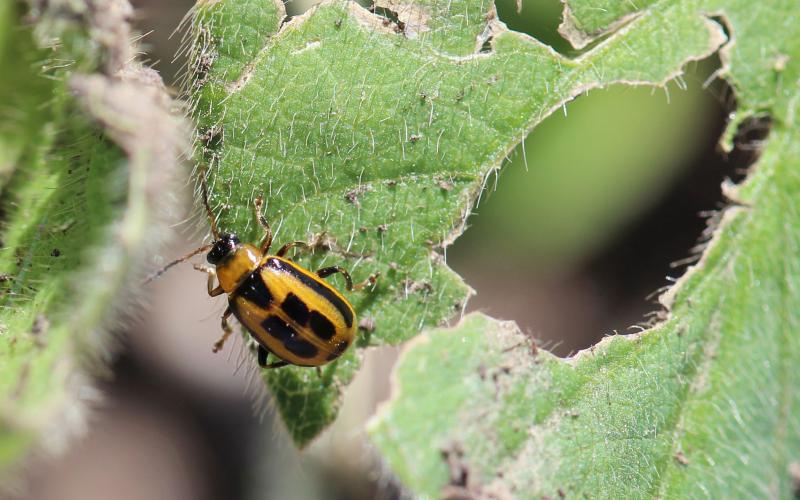
Watch for Bean Leaf Beetles
Some soybean in South Dakota has emerged and it is already being attacked by early-season bean leaf beetles. So far, observations of adult bean leaf beetles emerging from fields and defoliation of soybean have been in Southeastern South Dakota.