Search
![A herd of cattle gather around a stock pond on a vast, lush grassland. Courtesy: USDA [CC BY 2.0]](/sites/default/files/styles/teaser_800x500/public/2019-05/W-00231-00-cattle-grazing-grassland-pasture-range.jpg?h=8f818b46&itok=6GS1_Ww0)
2017 Weed Control: Pasture and Range
There are 24 million acres of native and tame pasture and range as well as 1.4 million acres of grass hayland in South Dakota.
Weed Control: Pasture and Range
There are many undesirable plants or invasive plant species in South Dakota's 24 million acres of native and tame pasture range. This guide provides a summary of different herbicide suggestions and uses.
Introduced Grasses and Forbs
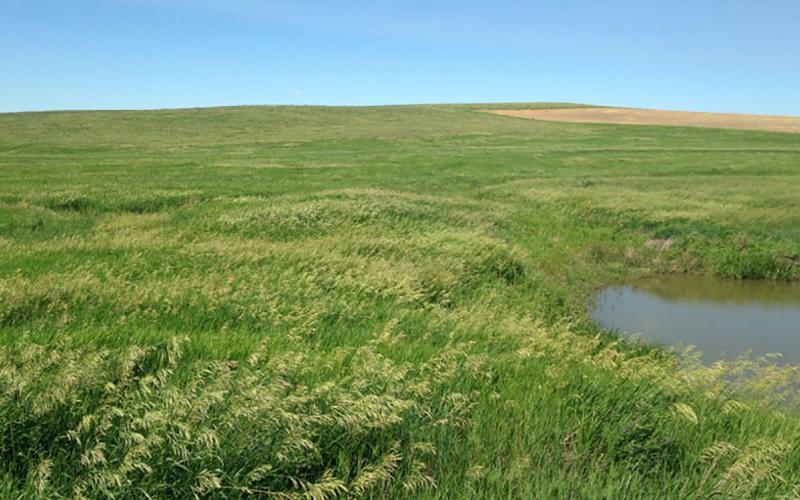
While native grasslands contribute greatly to the integrity of the overall grassland community in South Dakota, the use of introduced grasses has proven a popular alternative for some producers.

South Dakota Delegate, Matea Gordon, to Present at the Society for Range Management Annual Conference in Denver
February 07, 2020
Matea Gordon, sophomore at Sturgis Brown High School, has been selected by the South Dakota section of the Society for Range Management (SRM) to participate in the High School Youth Forum (HSYF).
Eastern Grazing School to be Held July 26-28
July 12, 2022
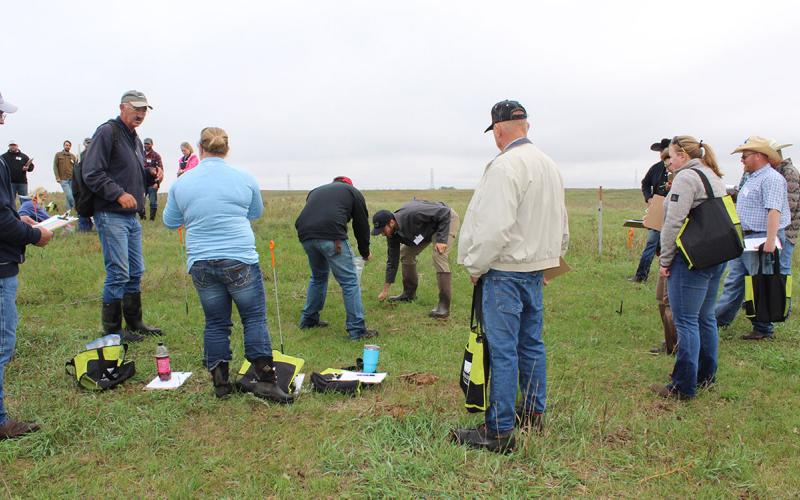
The South Dakota Grassland Coalition, through a partnership with SDSU Extension and others, will host the Eastern South Dakota Grazing School July 26-28, 2022 near Marvin, South Dakota.
Mid-Missouri River Prescribed Burn Association: A landowner-led effort along the Missouri River
June 12, 2023
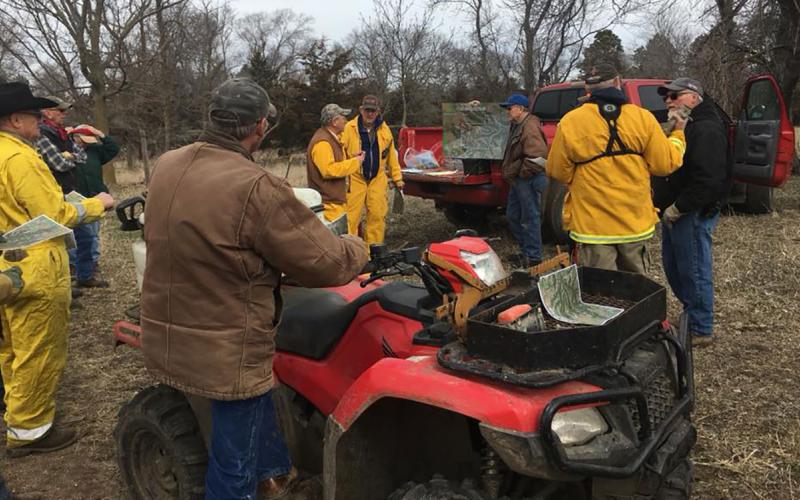
Started in 2016, the Mid-Missouri River Prescribed Burn Association is a landowner-led effort to combat the spread of trees along the Missouri River corridor in Gregory, Charles Mix, Brule and Lyman counties.
Windy and Divide Fires
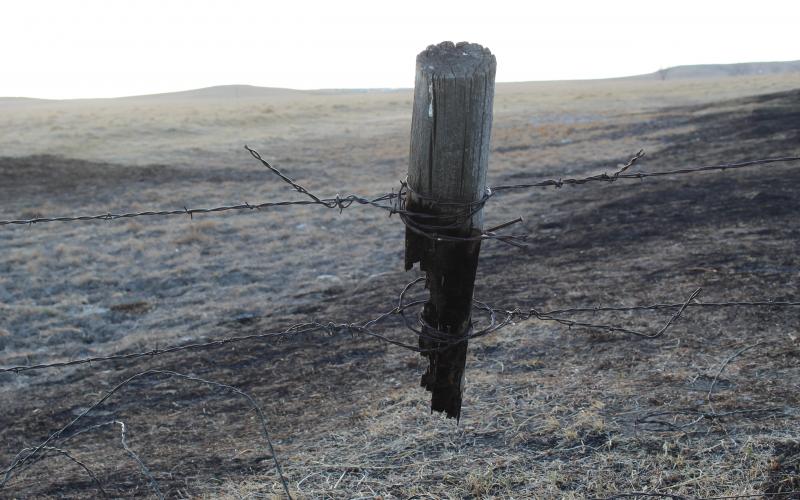
General guide to all South Dakota landowners who may be affected by unplanned fire events.
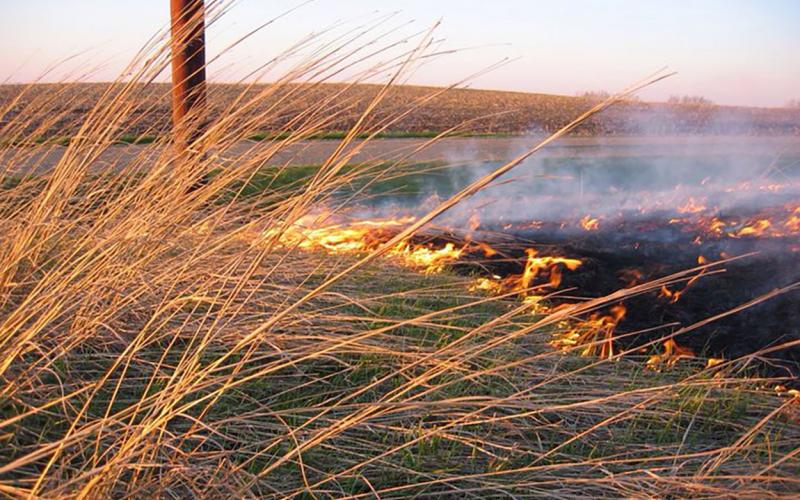
Fire as a Management Tool
When planned for and implemented appropriately fire is a tool that can have tremendous benefits to your grassland community.
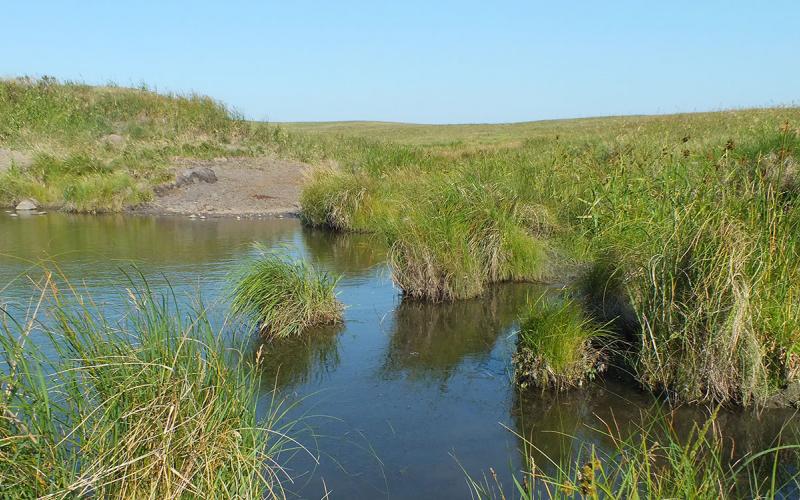
Managing Livestock Attractants Near Water
In the event that your pasture includes riparian areas, such as streams, rivers, lakes or ponds, you’ll want to take special care of these habitats. A riparian area is the space immediately adjacent to the shore, where water and land interact.
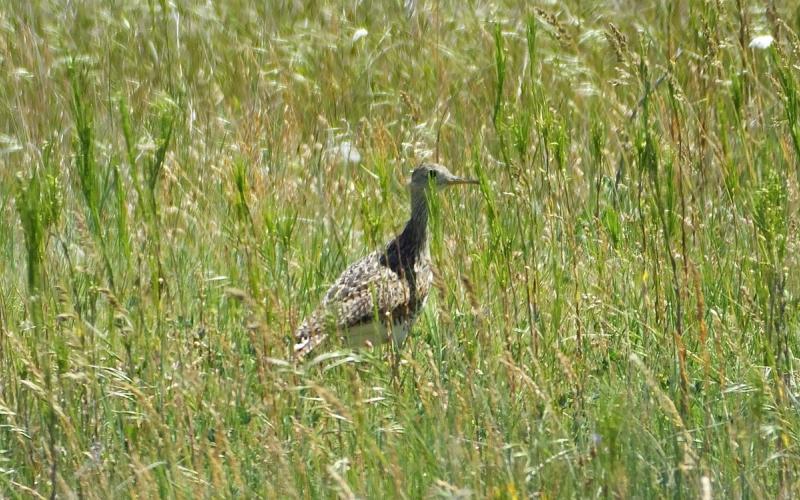
Wildlife
Not only will well-managed grasslands provide habitat for native wildlife; the presence of these often-overlooked species are a great indicator of a well-managed (and likely profitable) grassland system.