Search
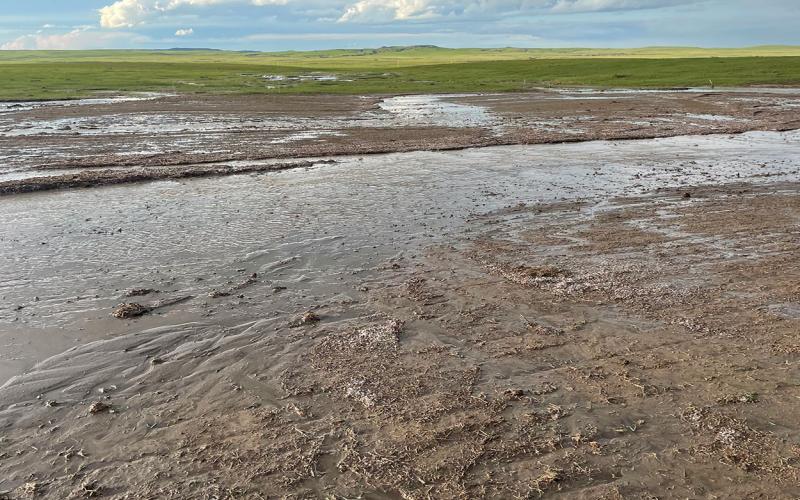
Five Range Management Principles: #4 Residual Forage
Residual forage is the amount of green leaf left after a grazing event. Understanding its importance can help producers capitalize on the symbiotic relationship that occurs when soil health is front and center on rangelands.
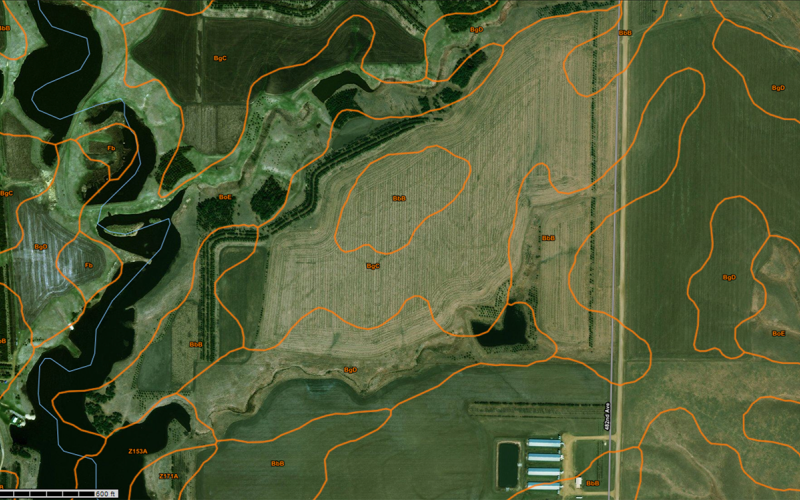
Precision Agriculture and Zone Management
Precision agriculture tools can address the variations in a production system to enhance plant growth and crop yield. Zone management controls the variable rate of inputs for optimal performance within a defined field zone.
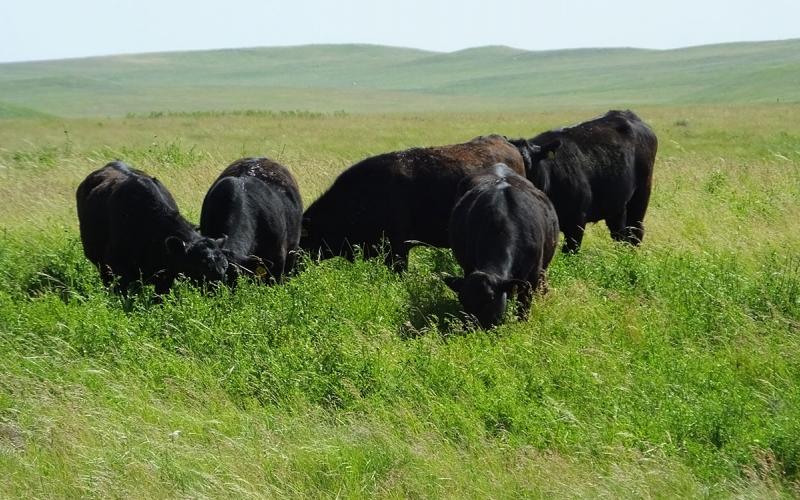
Estimating Livestock Consumption
When planning a grazing strategy, it is important to carefully assess goals and objectives and then match those goals and objectives with the appropriate livestock. It is critical that the manager understand that not all livestock are created equal.
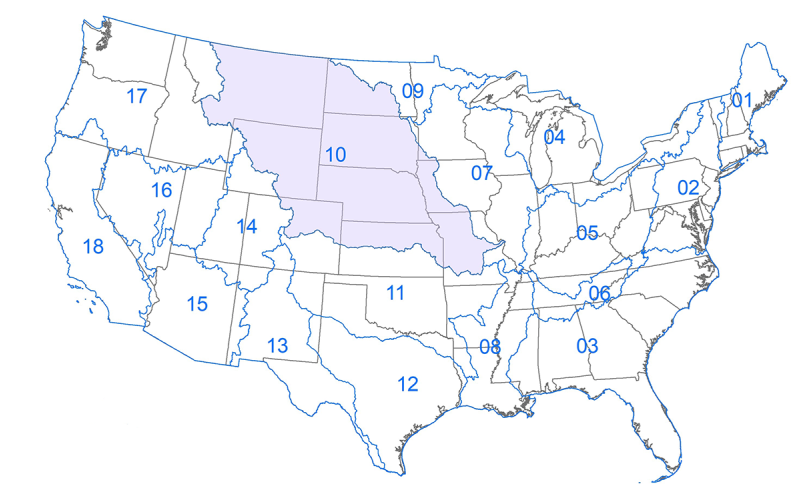
What is a Hydrologic Unit Code (HUC)?
HUC is the acronym for Hydrologic Unit Code. It is a hierarchical land area classification system that is based on surface hydrologic features in a standard, uniform geographical framework.
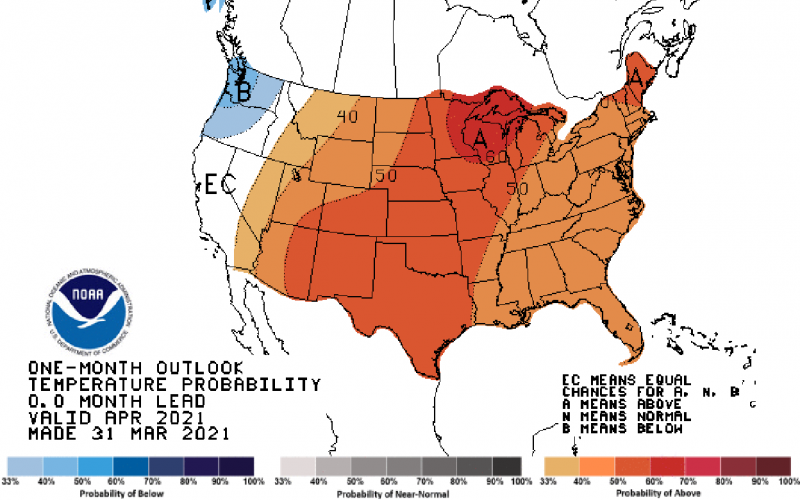
April 2021 Climate Update
As we look at March in the rear-view mirror, we look ahead to April and the potential for rain to return to South Dakota to reduce drought concerns across the state.
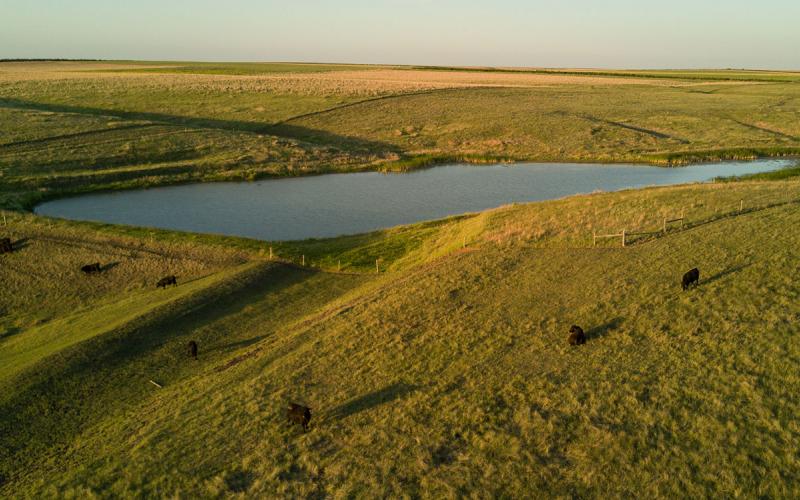
Grazing Systems
According to rangeland and pasture specialists, there are four basic types of grazing systems, including: continuous grazing, deferred rotational grazing, rest rotational grazing and management-intensive grazing.

Soil Testing for Vineyards in South Dakota
Not all soils are conducive to growing quality grapes, so prospective vineyard sites should be tested before a decision is made to plant grapes. Tests can identify soils that are either too high in pH, salts, or salinity, or that are “too rich” (too high in organic matter and nitrogen) for grapes. In addition, testing before planting allows for the incorporation of nutrients—such as phosphorus—that do not move easily through the soil to plant roots.
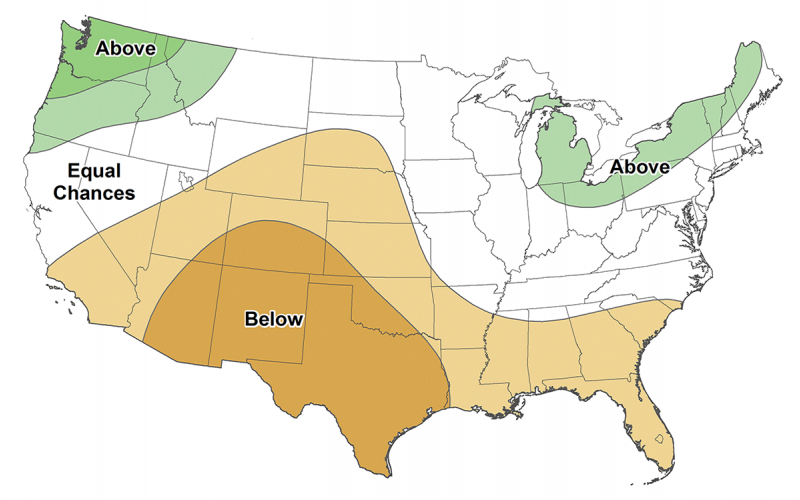
2021 Fall and Early Winter Climate Outlook
The latest monthly and seasonal climate outlooks were released Sept. 16, 2021 by National Oceanic and Atmospheric Administration’s Climate Prediction Center. Forecasters are pointing towards a warmer than average October, with odds leaning towards drier conditions for the last few months of the year.

X-Ray Scanning Confirms Soil Health Benefits from Conservation Practices
Summary report of X-ray scanning confirms soil health benefits from conservation practices.
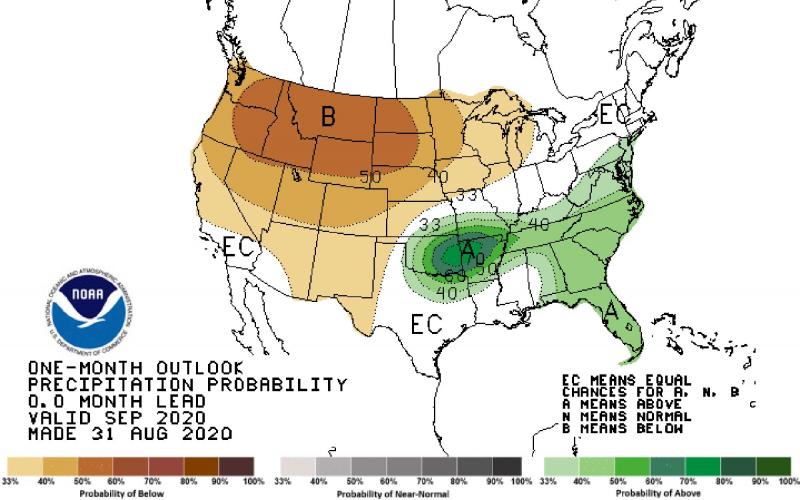
September 2020 Climate & Drought Outlook
Summer has its last hurrah the first week of September before we see potential for our state’s first freeze of the fall season, according to NOAA’s Climate Prediction Center.