Search
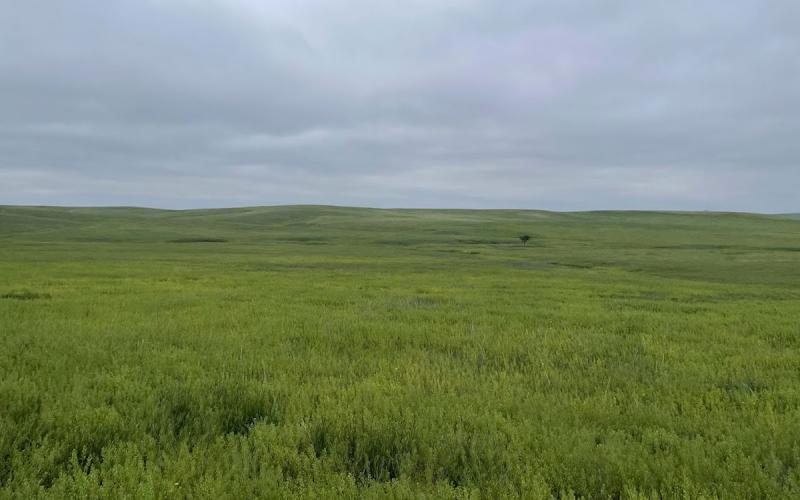
2025 Field Pennycress Management Considerations
Field pennycress prevalence on pastures has been observed to be in higher abundance this year in Western South Dakota. When consumed in certain quantities it can be toxic to livestock.
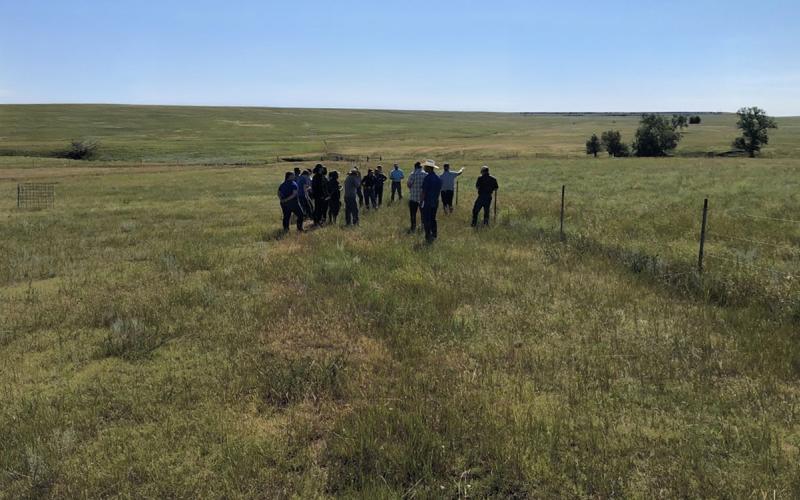
Systems Thinking for Agriculture: A tool for addressing complex ranch problems
A systems approach to management encourages producers to take multiple factors into consideration to solve problems within their agricultural operation.
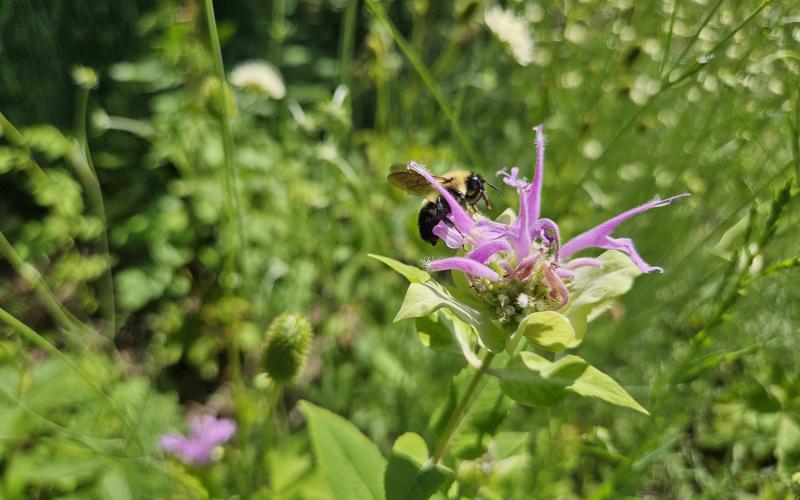
Managing Forests for Pollinators
Fact sheet on the importance of managing Black Hills forests for pollinators.
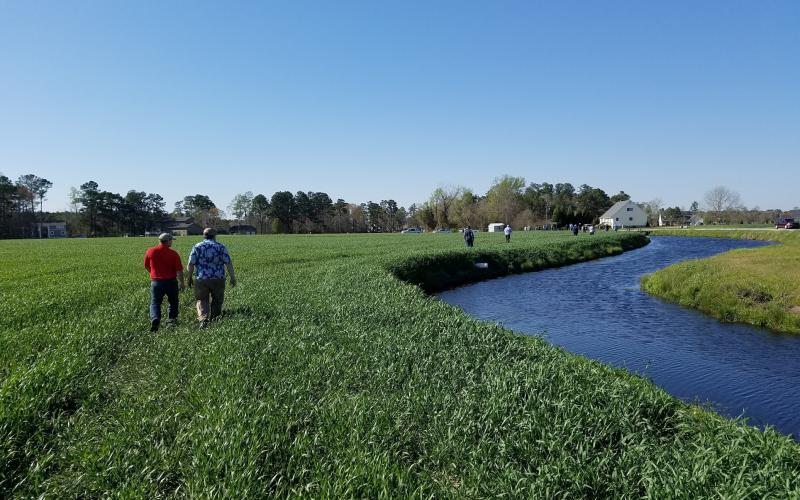
SDSU Extension co-hosting regional water, drainage forum
August 08, 2025
South Dakota State University Extension is pleased to announce the 2025 Tri-State Drainage Research Forum on Sept. 9-10 at McCrory Gardens in Brookings.
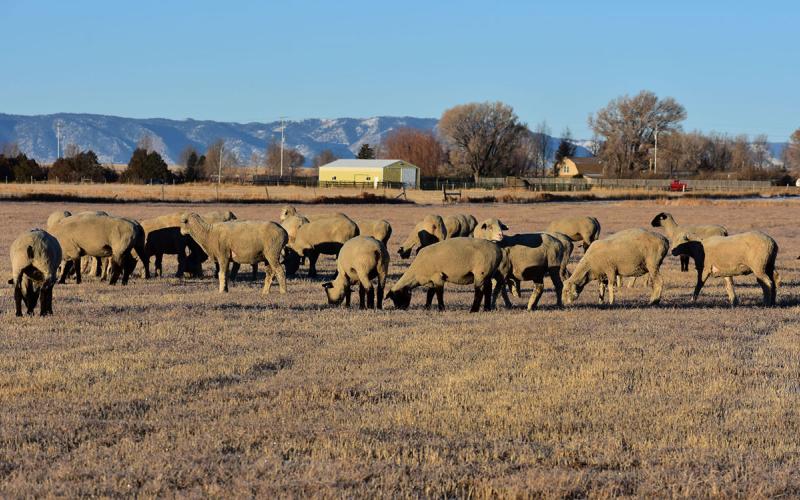
Using Livestock to Promote Healthy Rangelands
Fact sheet about using livestock to promote healthy rangelands
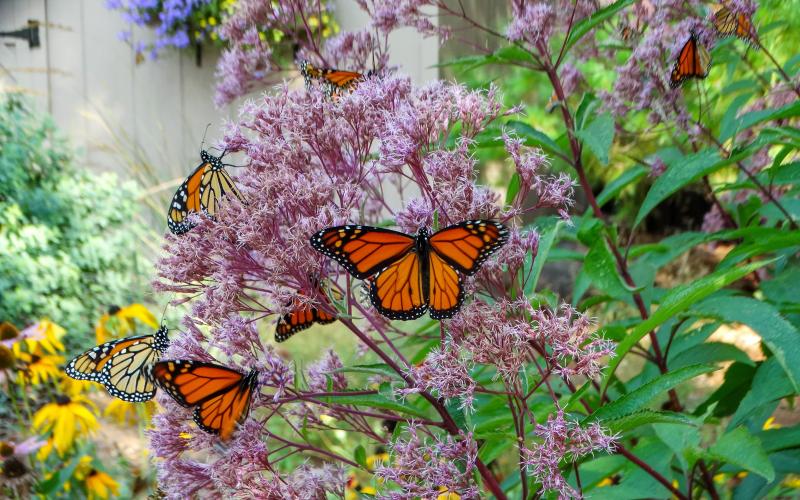
SDSU Extension Master Gardener Club Guidebook
Guidebook for SDSU Extension Master Gardener Clubs
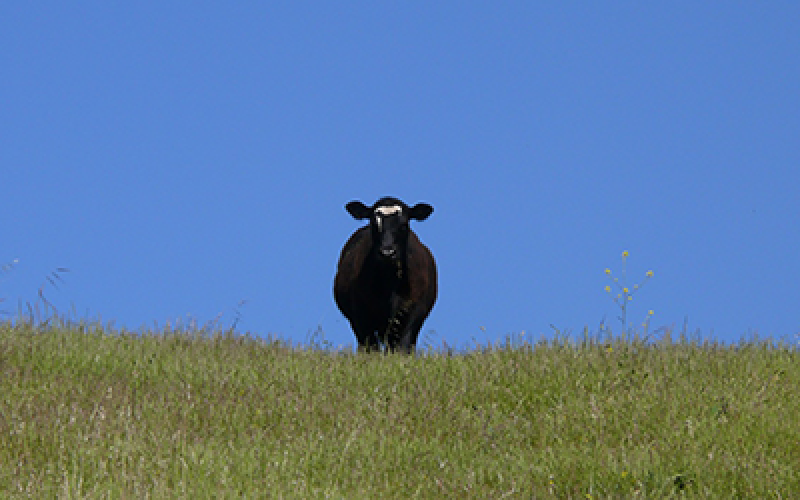
Grazing and Recreation on South Dakota School and Public Lands
Ryan Brunner, Commissioner of State School and Public Lands, shares some excellent information for those interested in understanding more about grazing and hunting on South Dakota school and public lands.
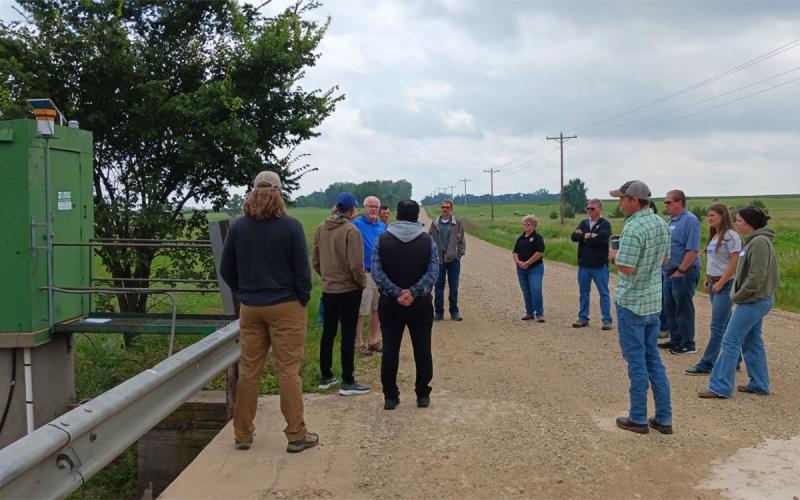
The Importance of Riparian Areas
Riparian areas occur along streams, rivers, wetlands, lakes, and shorelines and can be considered the last line of defense before pollutants enter a body of water. Learn about the many benefits these areas offer and the programs available to support their conservation.
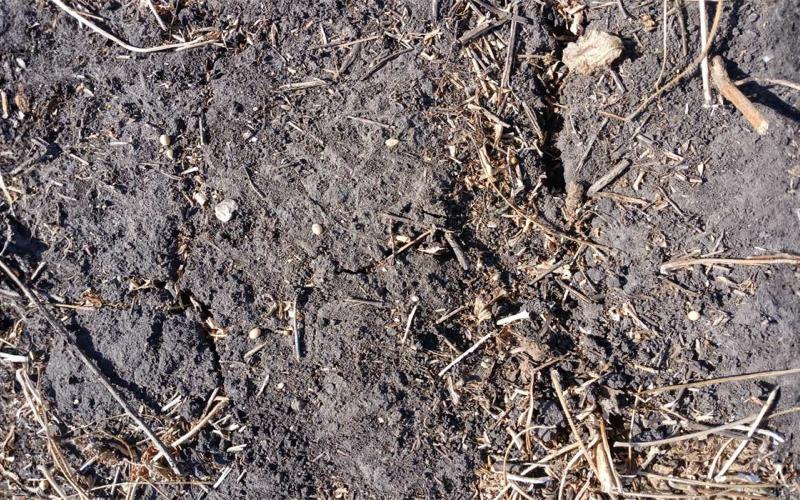
Fall Tillage: Please Don’t Think About It
Conducting fall tillage results in lost topsoil, soil nutrients, and soil moisture. This ultimately leads to reduced soil productivity and profitability. An easy way to conserve topsoil and water resources is to skip fall tillage.
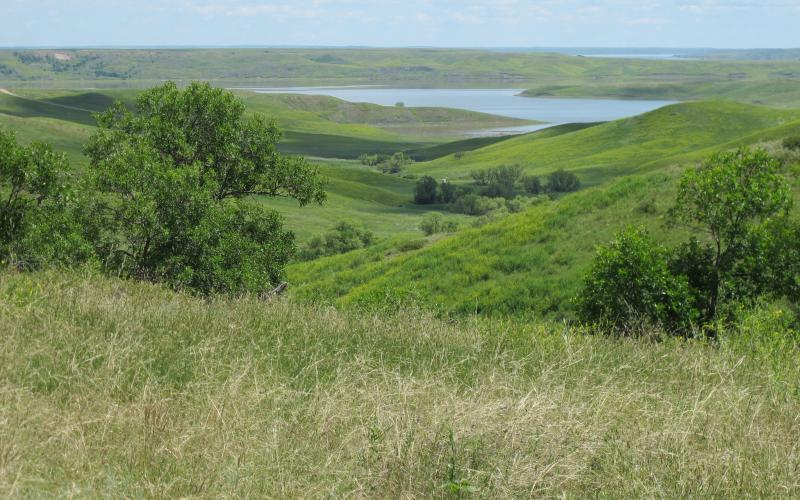
The Mortenson Ranch Story: Balancing Environment and Economics
The Mortenson Ranch Story is a remarkable account of the restoration of a western South Dakota landscape devastated early in the 20th century by homesteading and drought.