Search
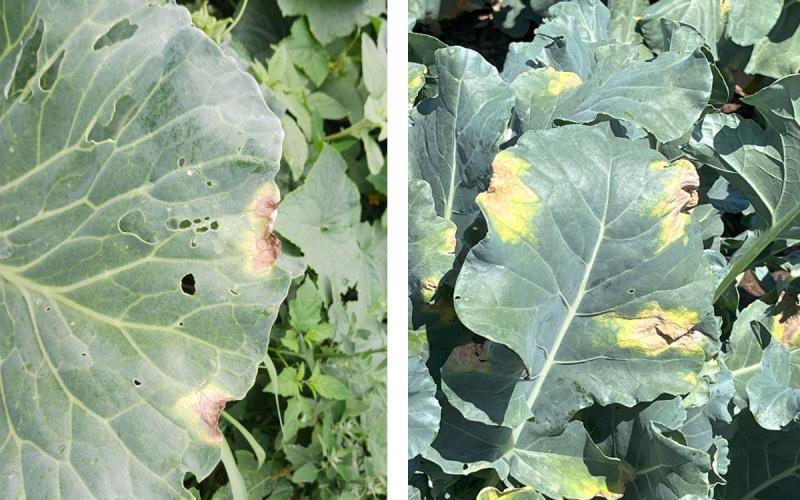
Black Rot of Brassica Crops
Black rot is an uncommon, but devastating bacterial disease in South Dakota that can develop during extended periods of hot and wet weather, leading to rapid and widespread crop loss.
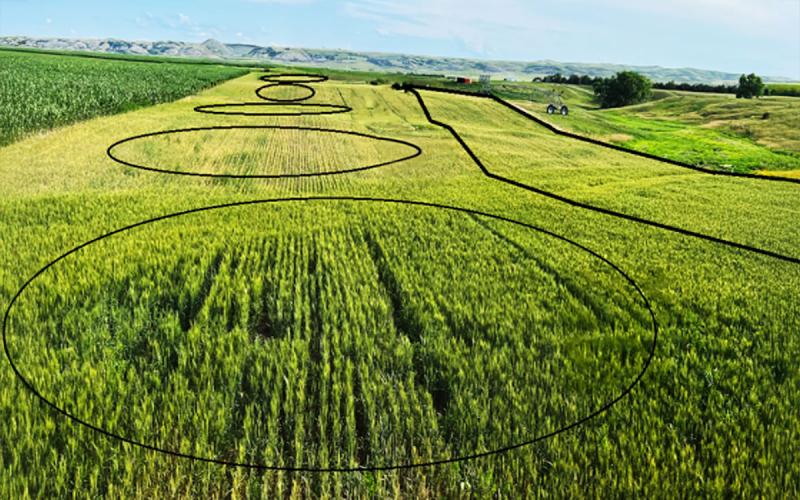
Smarter Farming Decisions Using ArcGIS and Satellite Imagery
How-to guide on using ArcGIS and satellite imagery to find value insights on crop performance.
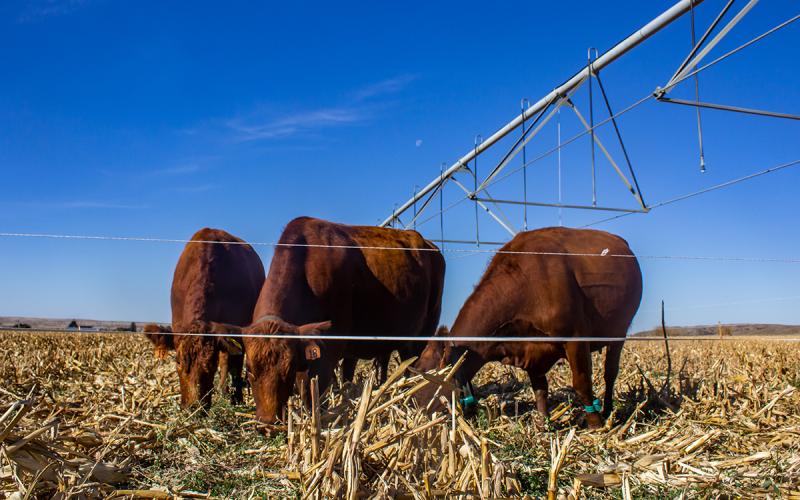
Stretch the Grazing Season by Grazing Corn Residue
Grazing corn residue can be an excellent strategy for stretching the grazing season. Learn some expert tips for making the most of corn residue before switching over to the feed tractor in the winter.
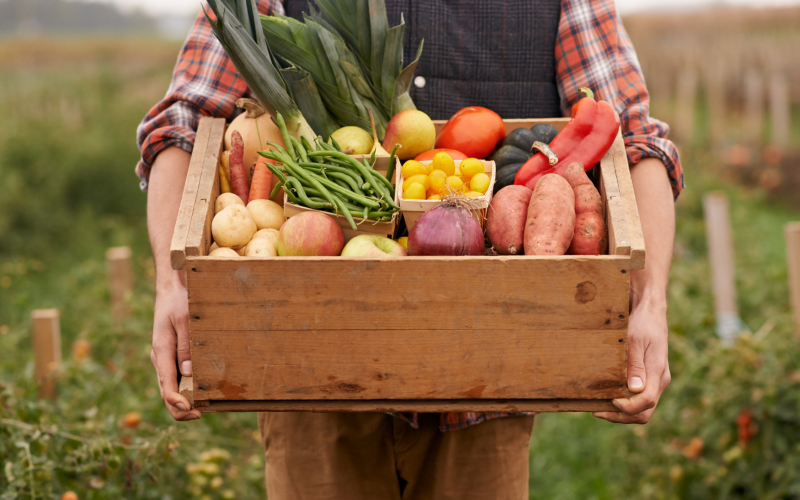
South Dakota Produce Harvest Calendar
A resource highlighting different harvest times for common South Dakota fruits and vegetables.

Vegetables
Whether you are a beginner or have a green thumb, our tips will help your garden flourish.
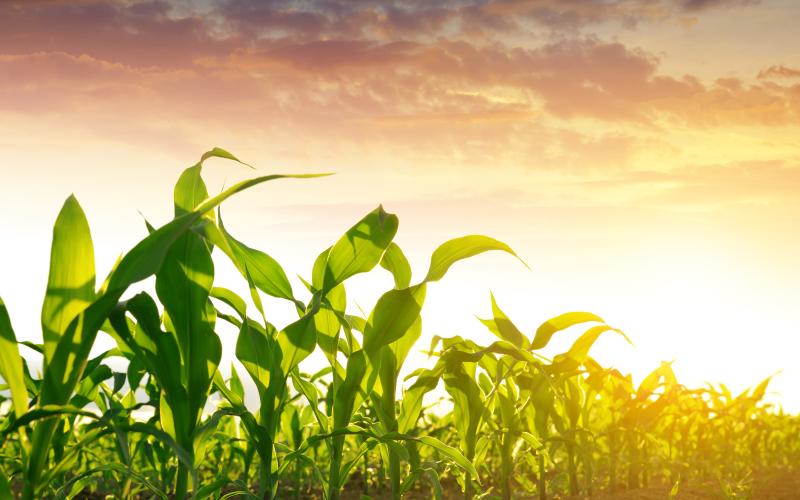
Corn Hybrid Trial Results
In 2025, corn hybrid and conventional corn hybrid trials were conducted at different locations throughout South Dakota.
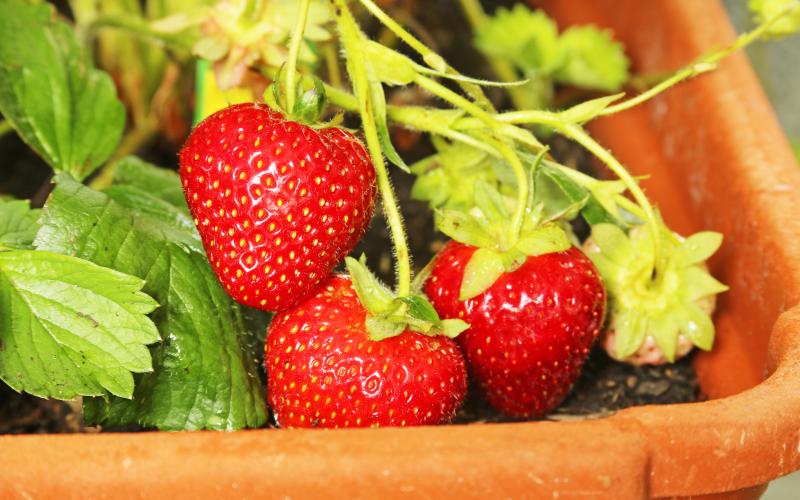
Fruit
View information to grow, harvest and enjoy fruit.

Oat Variety Trial Results
In 2025, oat variety trials were planted throughout various locations in South Dakota.
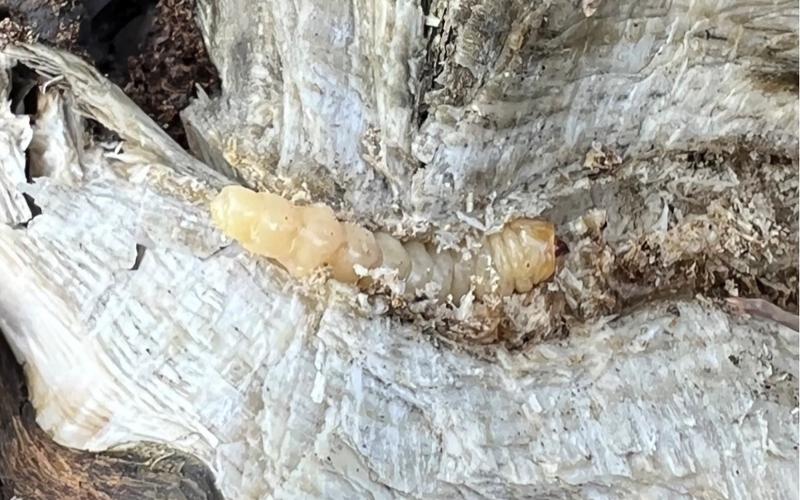
Dectes Stem Borer in South Dakota Sunflowers
Factsheet covering Dectes stem borer in sunflowers.
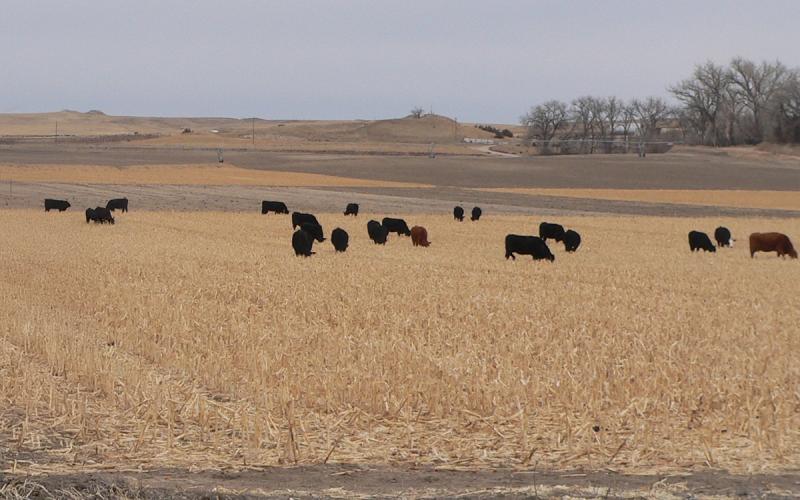
Why Cropland Grazing Now?
The evidence is consistent: cropland grazing delivers measurable economic returns, proven soil health benefits, and growing adoption in South Dakota.