Search
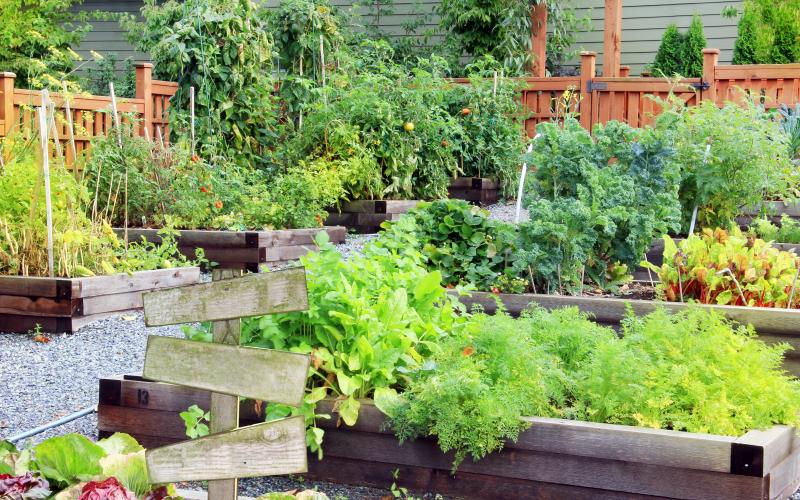
Vegetable Gardening in South Dakota
Whatever your reasons to start a vegetable garden: fresh produce with great flavor, exercise, saving money, enticing children (and adults) to eat healthier food, or knowing where your food came from and how it was grown, this booklet will help you with basic information and tips to get started.
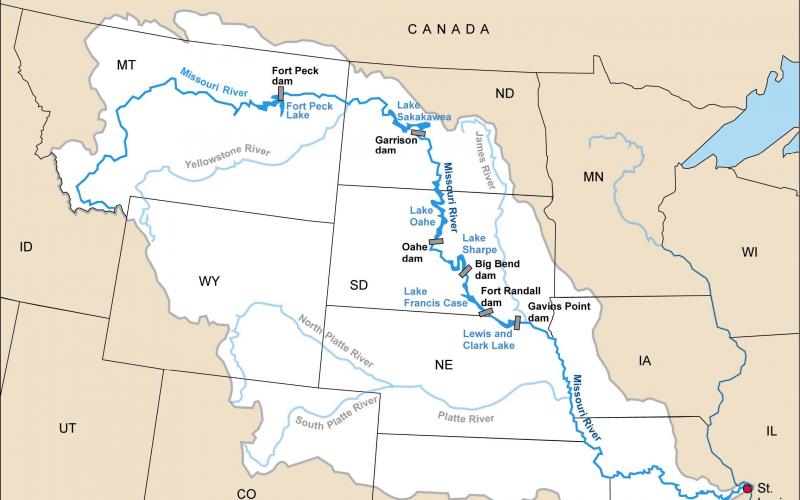
Zebra Mussels Impacting Missouri River Reservoir System
In July 2019, South Dakota Game, Fish & Parks officials confirmed of presence of zebra mussels in Lake Sharpe near Fort Thompson after U.S. Army Corps of Engineers staff initially discovered them while performing inspections on Big Bend Dam.
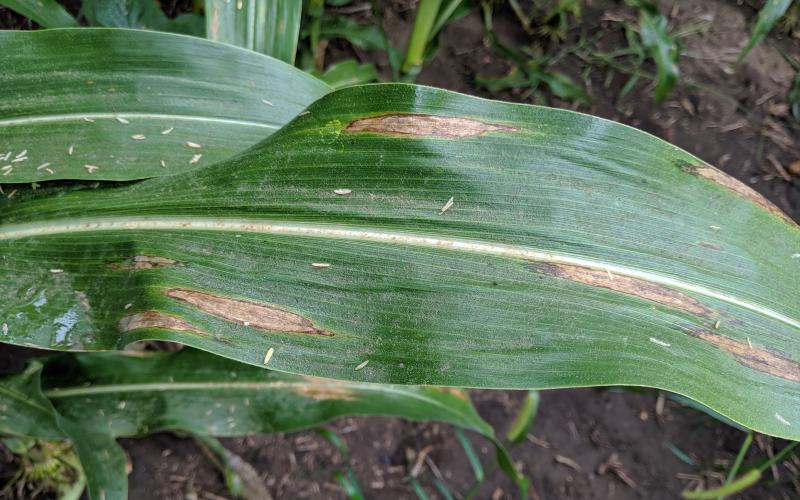
Northern Corn Leaf Blight Developing in Corn
Northern corn leaf blight was found in a few corn fields scouted recently. The disease was found at very low severity, except occasionally when an individual plant was found with several lesions on one leaf.
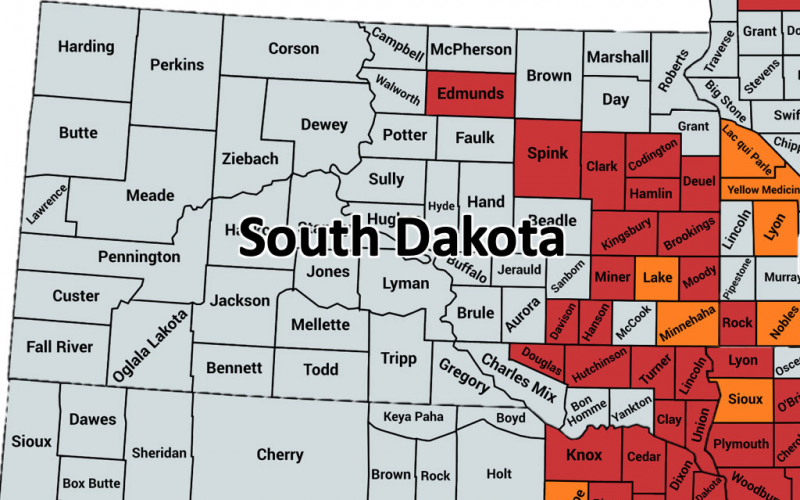
Soybean Gall Midge Showing Up in More Counties
As the season continues, so is our soybean gall midge scouting efforts. For much of South Dakota, the soybean that are infested with soybean gall midge are asymptomatic. That is, they show limited signs of infestation, but we can still find the larvae of the soybean gall midge in the stems.
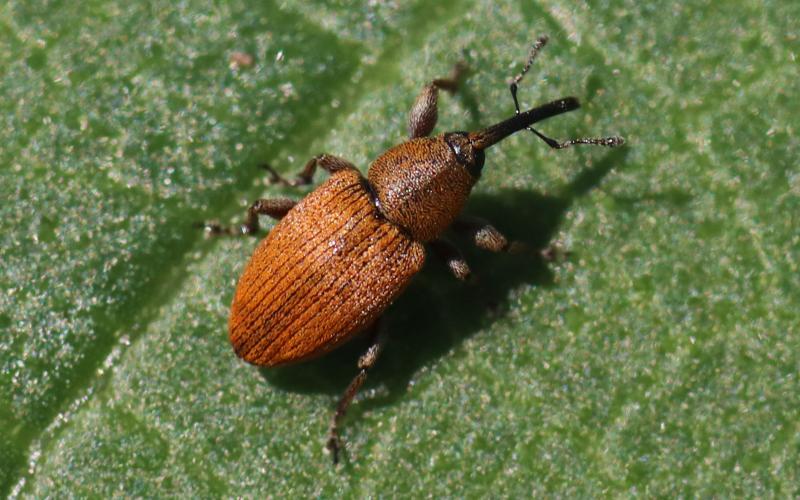
Watch for Red Sunflower Seed Weevils
In South Dakota, sunflower flowering is well underway. That means it is time to start scouting fields for red sunflower seed weevils. During the last two years, red sunflower seed weevil populations have been higher than normal with areas that exceeded the thresholds by as many as 300-500 adults per sunflower head.
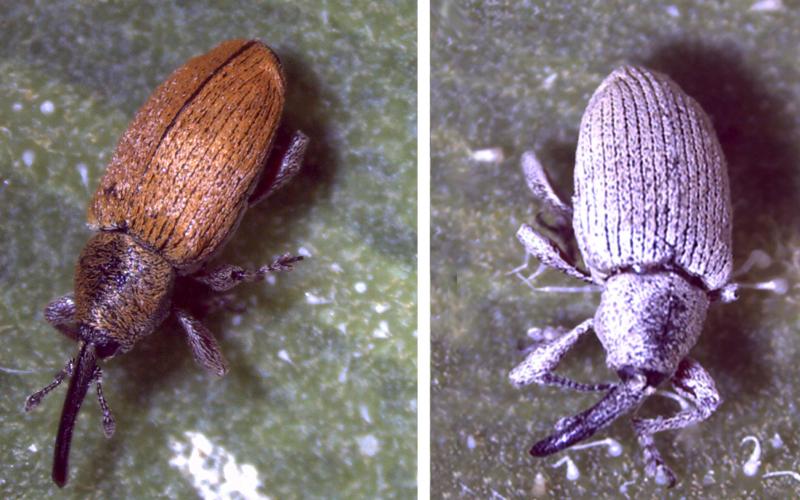
Differentiating Two Species of Sunflower Seed Weevils
While scouting sunflower, there are two types of seed weevils that you may encounter. They are the red sunflower seed weevil and the gray sunflower seed weevil. It is possible to observe both of these species on a single sunflower head.
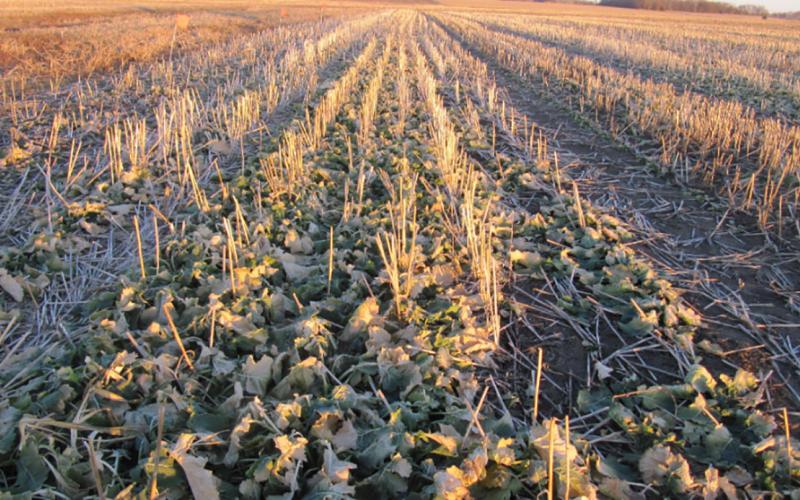
Cover Crops After Small Grains
In last few years, interest in using cover crops has been increasing tremendously among crop and livestock producers in South Dakota. Growing cover crops following small grain is gaining more attention due to feasibility in cover crops species selection and also the time of the year where cover crops receive longer growing and establishing time than following row crops.
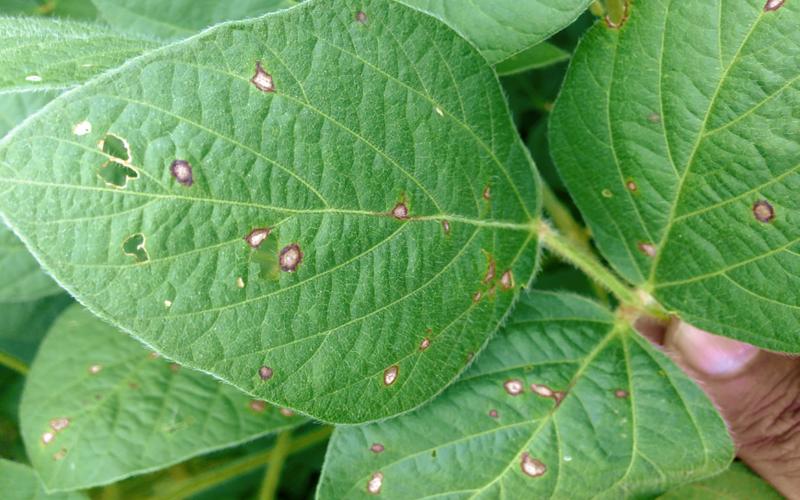
Frogeye Leaf Spot Developing in Soybeans
Frogeye leaf spot, also known as Cercospora leaf spot, was found in several soybean fields scouted the week of August 19, 2019. Frogeye leaf spot is characterized by irregular to circular lesions, which are tan-to-gray in color with reddish-purplish borders.
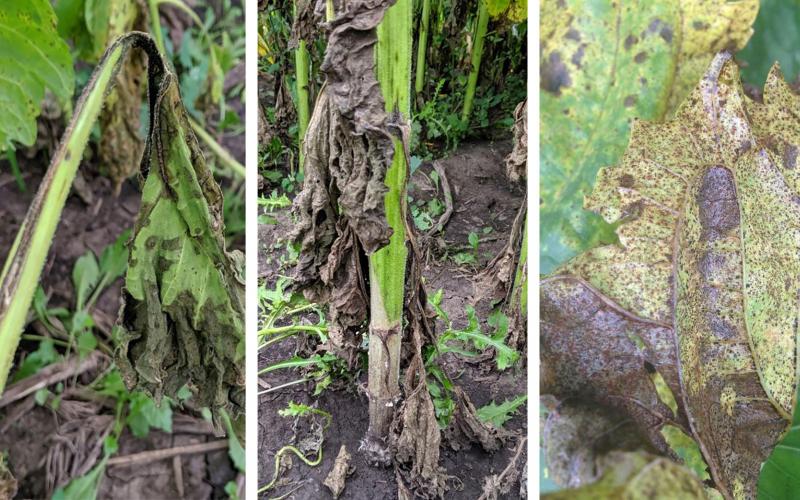
Bacterial Stem Rot, Sclerotinia Basal Rot and Sunflower Rust Developing in Sunflower
Sunflower scouted this week in Brookings and Kingsbury counties were found with bacterial stem rot, Sclerotinia basal rot and sunflower rust. This area has had plenty of moisture, which favors several diseases to develop in sunflower.
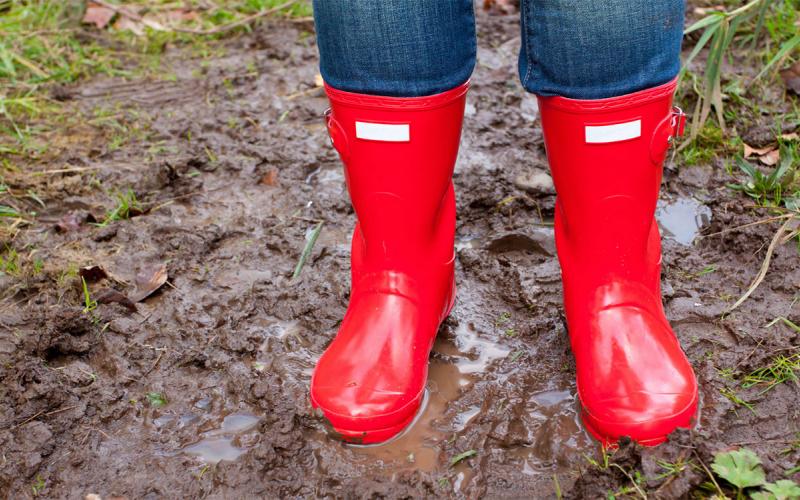
Preparing and Planting a Garden in a Cold, Wet Spring
Wet, cool springs present ideal conditions for soil and plant issues. Learn some expert tips for identifying and managing some of the most-common problems in soggy gardens.