Search
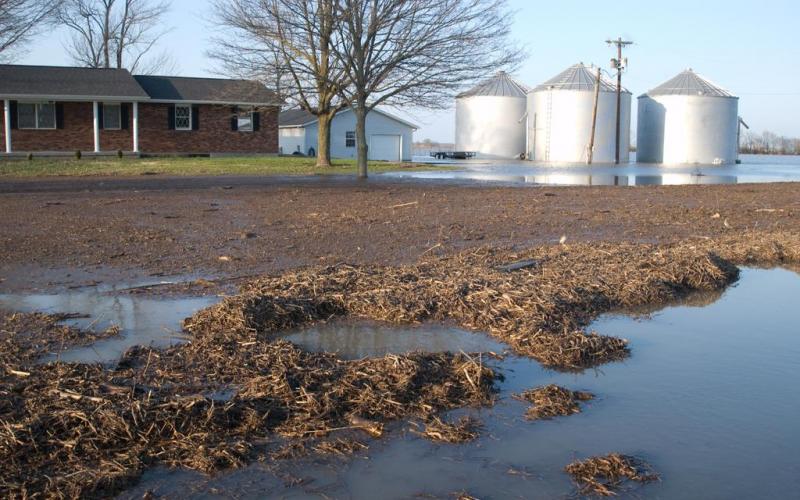
Checking and Treating Domestic Water Supplies After a Flood
Depending on its location, domestic well water supplies can oftentimes be negatively impacted during a flood.
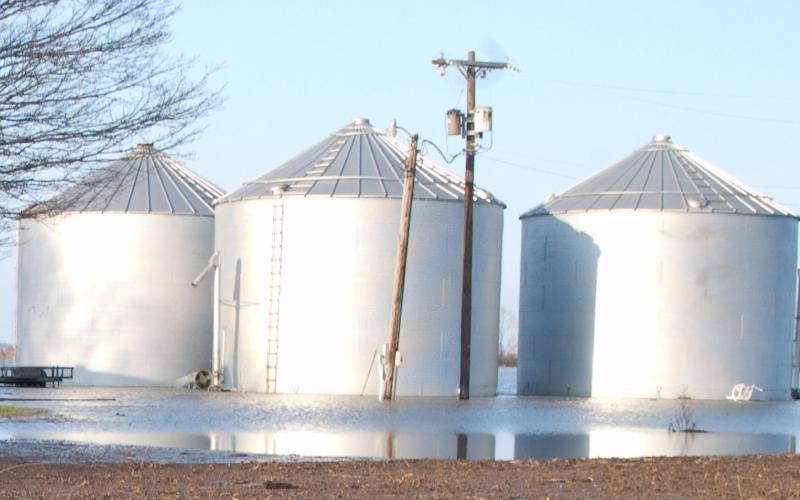
Stored Grains and Flooding
According to the Food and Drug Administration, grain inundated by watercourses is considered adulterated and must be destroyed. The portion of the grain that is not affected by the water can still be salvaged for its use.
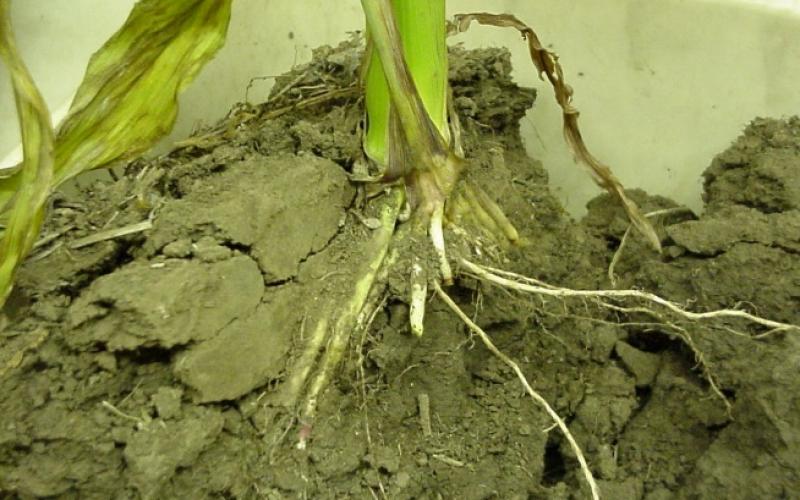
Planting Into Wet Soils
It is evident that there are high chances of planting into wet soils this spring. This is not a good decision when normal soil conditions appear to be attainable, but this year we may not have a choice.
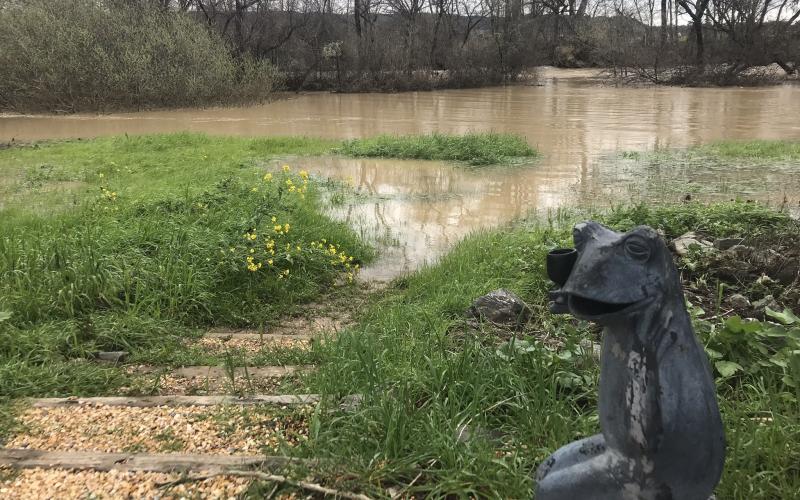
Flooded Gardens
Soil from gardens that were recently flooded may not be safe for growing fruit and vegetables this summer. Depending on the location, flood waters may contain contaminants or disease-causing organisms.
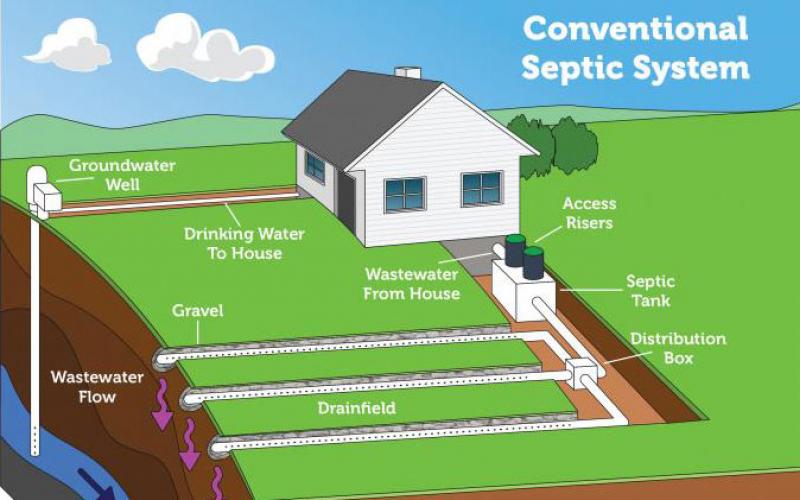
Septic Systems and Flooding
Septic systems may not always be a homeowner’s first concern during a flood. However, as South Dakotans continue to navigate an exceptionally wet spring, some consideration should be given to your septic system to prevent damage to your home and protect your family’s health.
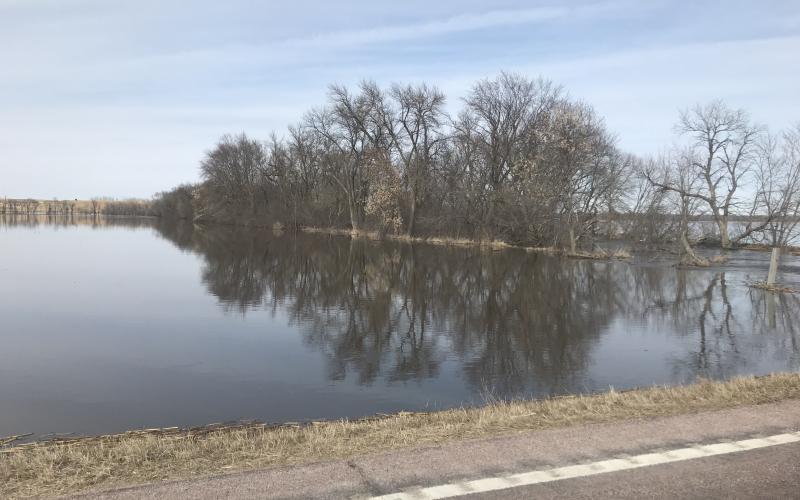
Managing Flooded Alfalfa
As floodwaters rise again in parts of South Dakota, spring planting seems to feel further and further away. One crop that is often overlooked in the hustle and bustle of the approaching planting season is alfalfa.
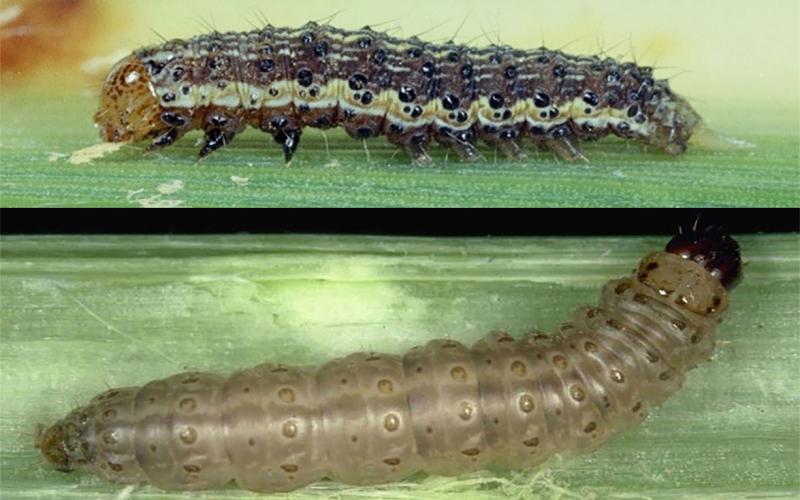
A Case of Mistaken Caterpillar Identity
Tweets about European corn borer (Ostrinia nubilalis) caterpillars in the stems of conventional corn and feeding in the whorls of corn are crossing my Twitter feed. Unfortunately, there is a problem with some of these tweets. Not all of the caterpillars that are being identified as European corn borer caterpillars are actually European corn borer caterpillars!
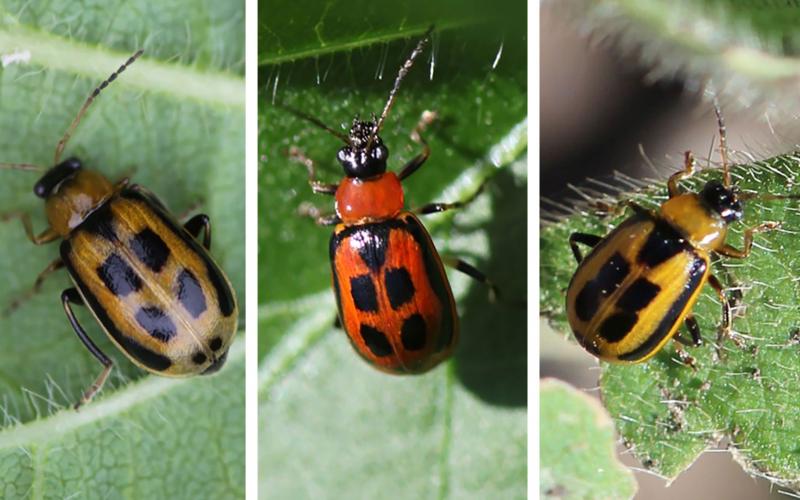
Bean Leaf Beetles Are Back: Adults Observed Near Beresford
Earlier this year, we observed a large emergence of overwintering bean leaf beetles throughout much of the state. We are again observing quite a few bean leaf beetles beginning to emerge. These emerging beetles are the result of overwintering beetles mating and laying eggs.
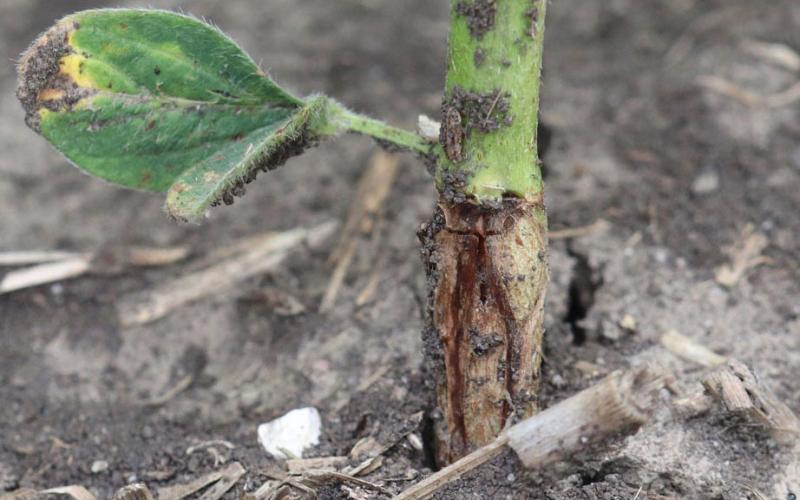
How to Scout For Soybean Gall Midge
Soybean gall midge have been reported in three counties in South Dakota in the past week: Clay, Union and Lincoln. Scouting for soybean gall midge can be as simple as finding wilting or dying plants along the edge of the field, or it can be rather difficult if the plants are currently asymptomatic.
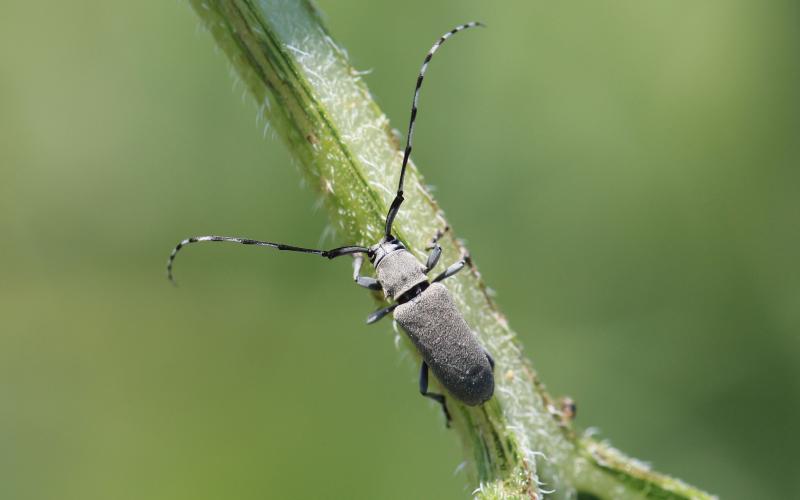
Dectes Stem Borer Adults Active in Sunflower
In South Dakota, one of the insects that is commonly observed in sunflower is the Dectes stem borer larva. At this point in the season, adults are beginning to become active with females laying eggs in sunflower plants.