Search
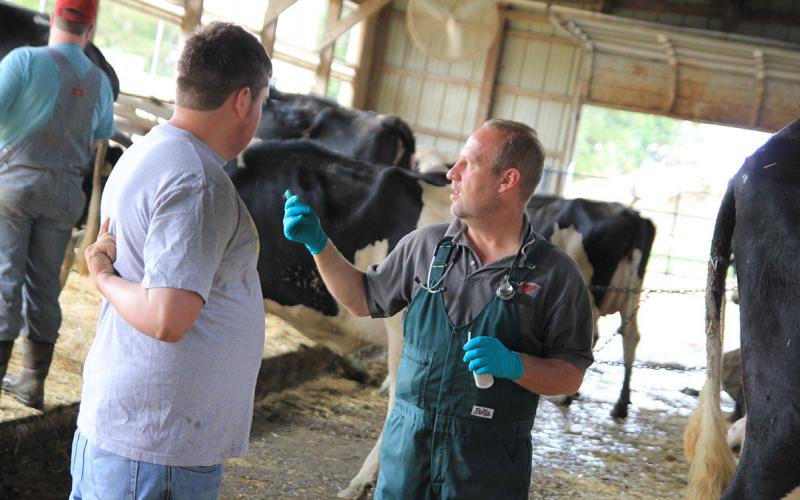
Coaching vs. Evaluations To Improve Ag Employee Performance
One of the most difficult things farm managers have to master is coaching employees. Using appropriate coaching methods with employees will help you as a manager to achieve the desired employee performance you are looking for in your operation.
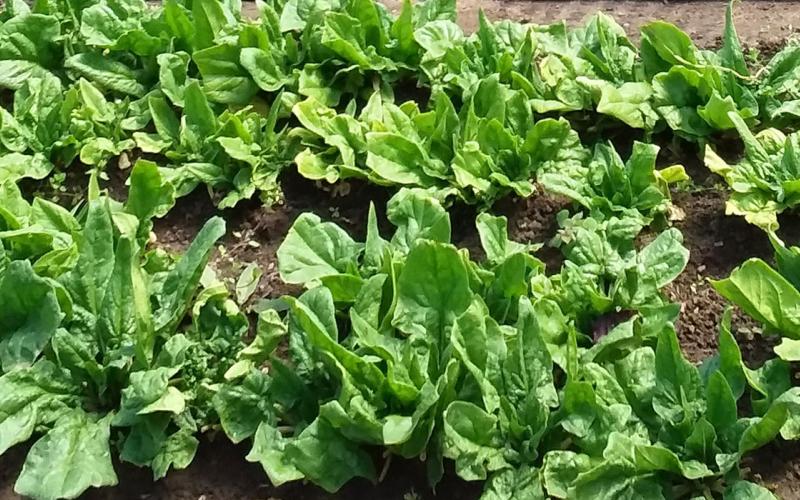
Salad Greens: How to Grow It
Salad greens, grown for their leaves, are cool-season crops. Most salad greens can be planted very early in the spring, and many will germinate in soil temperatures as low as 40° Fahrenheit.
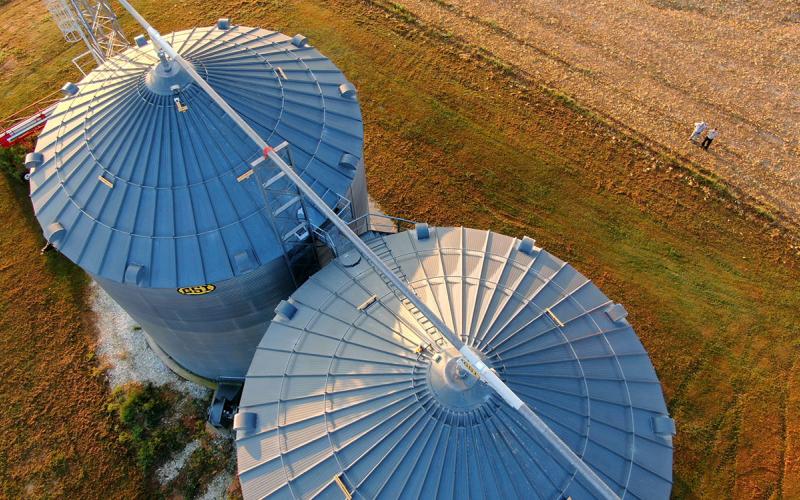
Managing Production Costs To Boost Soybean Profitability
Soybeans are one of the major crops in South Dakota in terms of both acres planted and sales values. To determine the potential to increase net profit from soybean production, individual producers are encouraged to compare their own yields and input costs with benchmark levels.
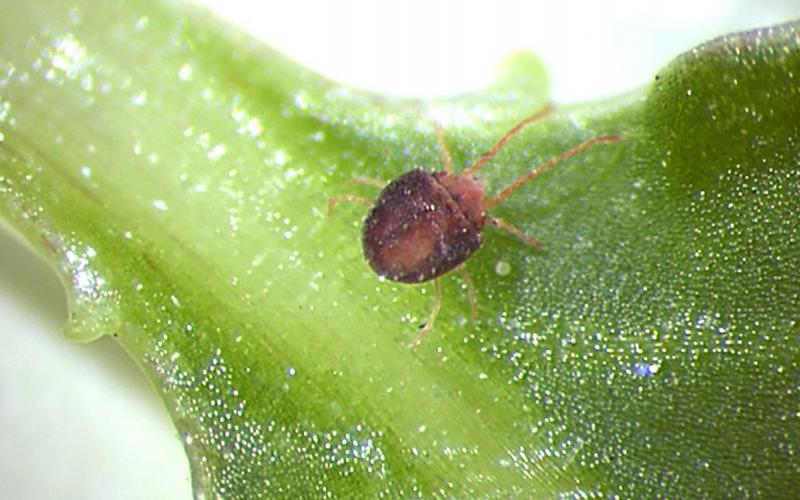
What Are Those Little Red Mites on My House?
The periods of unseasonably warm weather, especially in Western South Dakota, have temporarily brought several insects and other arthropods out of their winter hiding places. One of the arthropods getting attention lately has been the clover mite.
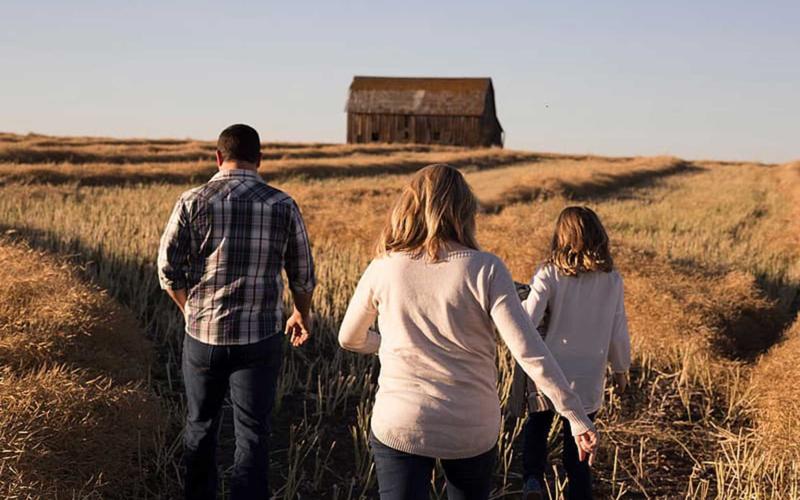
SDSU Extension to Host Another Round of Workshops for Next Generation Land Seekers
December 22, 2020
According to the USDA 2017 Census of Agriculture, one in four producers is a beginning farmer with 10 or fewer years of experience.
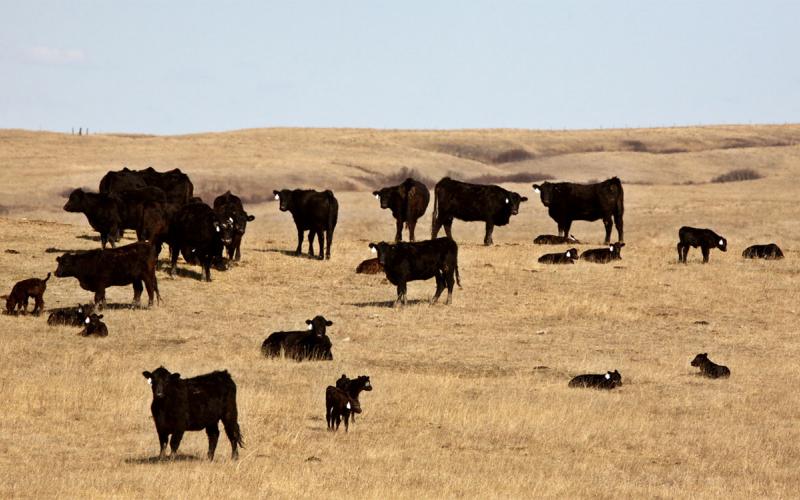
Selecting a Calving Season Based on Matching Nutritional Needs and Resources
Choosing the calving season is a complex and highly individual decision for each beef cattle producer. A primary consideration in pasture-based cow-calf operations is choosing a calving season that will best match the forage supply to forage demand.
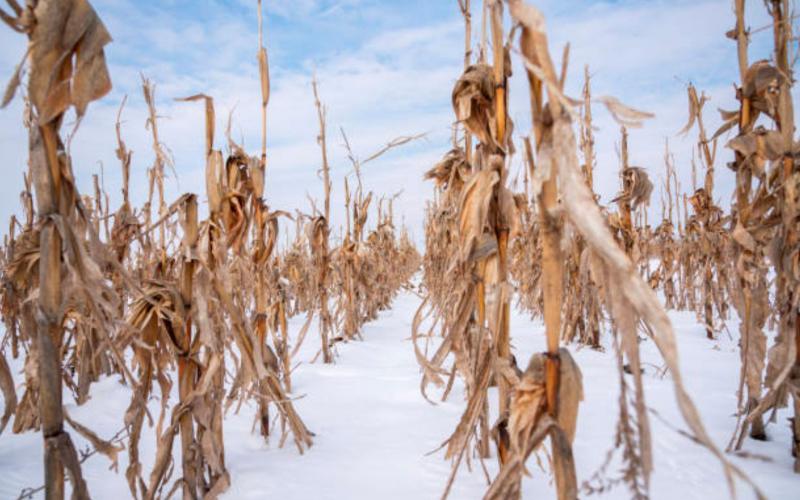
SDSU Extension Invites Growers to Take Coffee Break Online and Talk Corn
December 23, 2020
Do you have questions about corn? Join us for more information January 12 15!

New Training Options Available for Pesticide Applicators in 2021
January 07, 2021
Join us for more information on the pesticide applicator training in 2021.
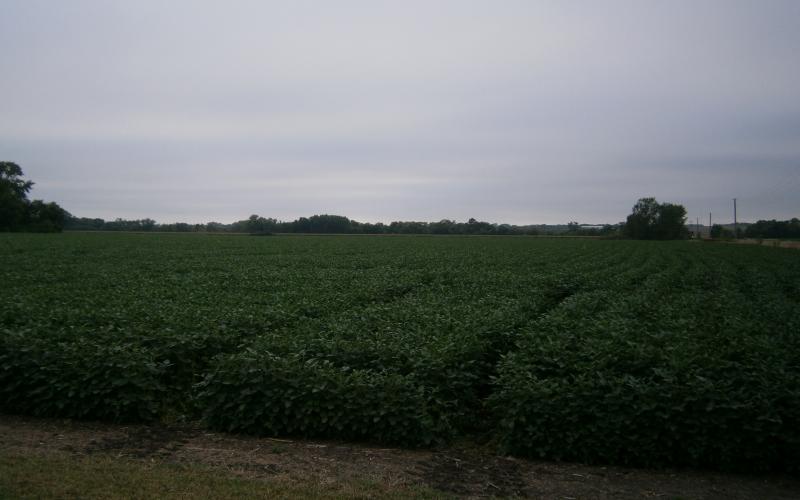
SDSU Extension’s Soybean Week Dives into Pest Management, Soil Health and 2021 Outlook
January 07, 2021
Want to know more about weed control, research, planting dates, and fungicide? Join us on January 19 - 22.
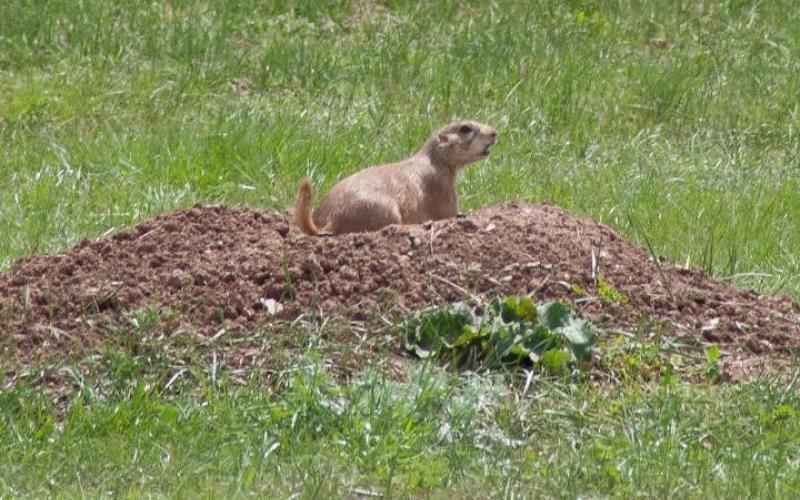
Prairie Dog Management in South Dakota
Fact sheet for the management of prairie dogs in South Dakota