Search
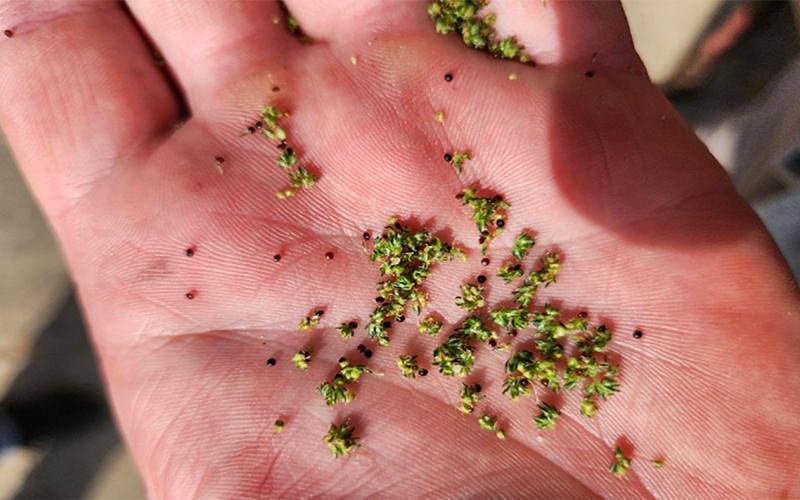
Isolated Female Waterhemp Plant Produced Seed: Implications that pollen is in the air
Recent observations by the SDSU Extension Weed Science team highlight that pollen can move far distances to pollinate isolated female plants. This reinforces the need to effectively manage weeds in fields and adjacent areas.
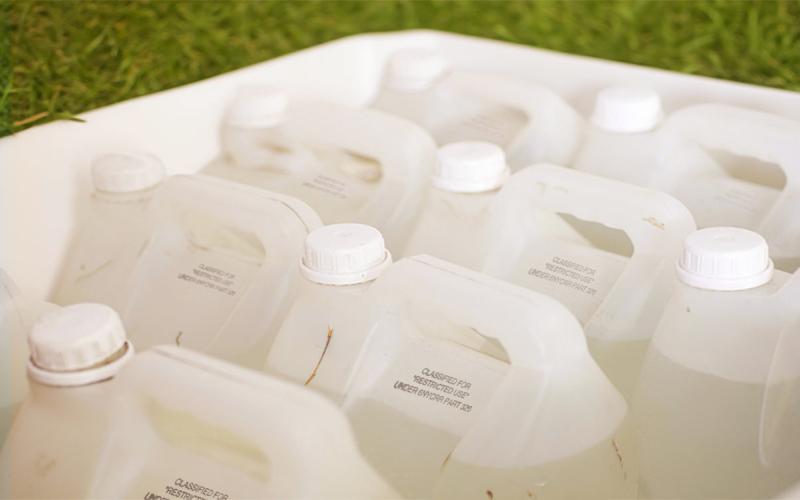
Managing Waste Pesticides: Restricted Use Pesticides
While pesticides are intended only to impact pests, they can have negative consequences on unintended targets, such as humans and wildlife, if not handled properly. Learn what steps you need to take to safely dispose of unused pesticides and comply with regulations.
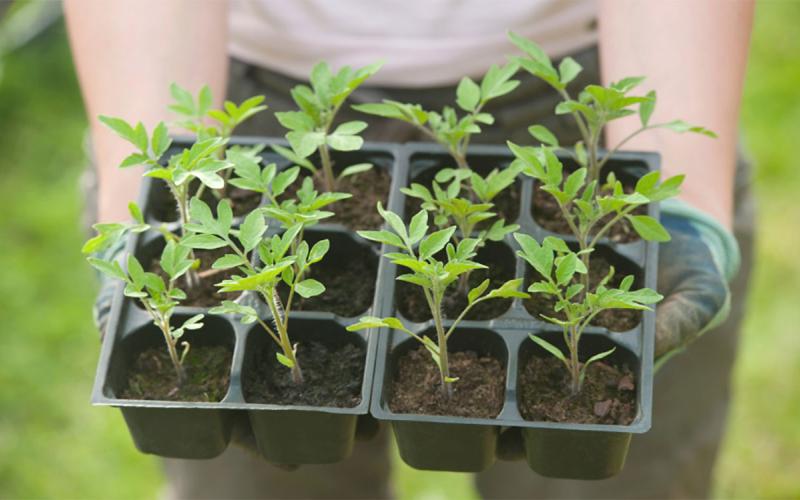
When Should I Plant My Warm-Season Vegetables?
Knowing when to plant warm-season vegetables can be a challenge in South Dakota when there are dramatic temperature swings each spring. Learn some expert tips for getting started!
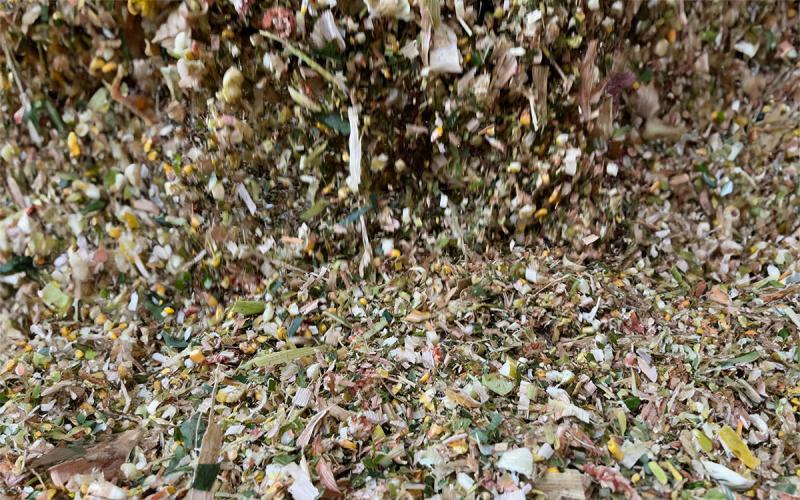
Best Management Practices for Corn Silage Harvest
Ensiling involves many different components to ensure a successful harvest and high-quality, safe feedstuff. Learn some expert tips to consider when chopping and storing corn silage to maximize the value and quality of your harvest.
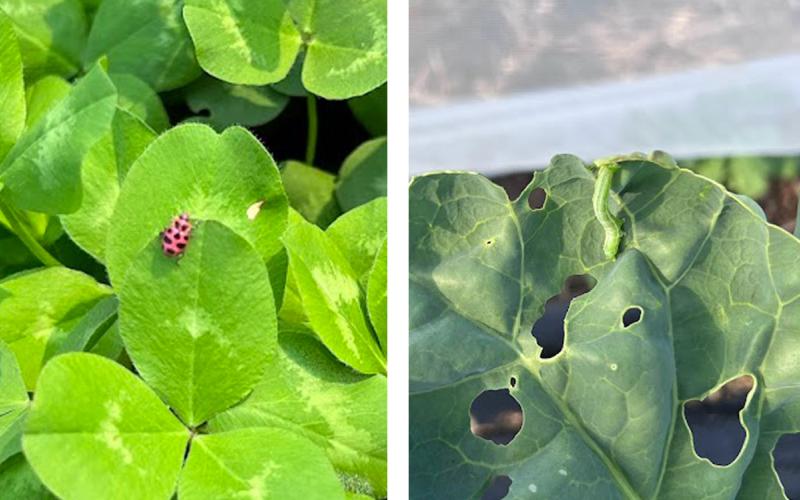
Friends and Foes of Brassica Crops
Brassica crops are a group of plants widely cultivated for their nutritional value and versatility in agriculture. Understanding their relationship with beneficial and detrimental insects is crucial for maintaining healthy crops and productive harvests.
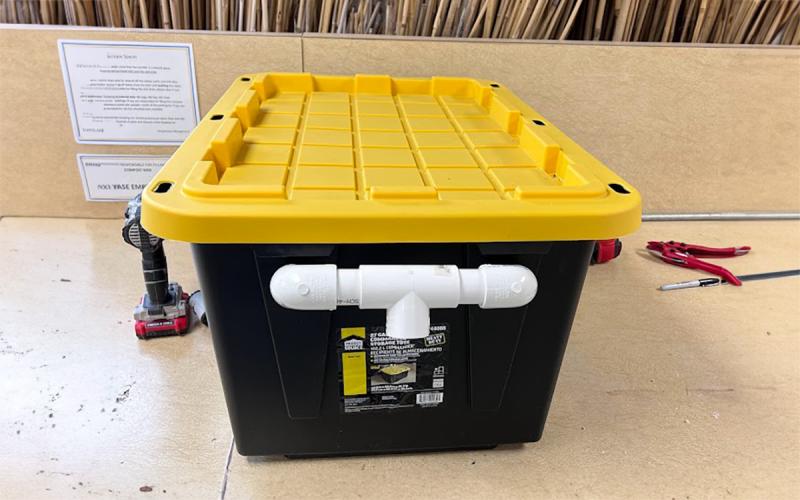
Insect Bioconversion: How to Compost With Black Soldier Flies
Much like composting, black soldier flies can be used in a rearing container to convert organic matter into nutrient-rich food, which can then be used in your garden. Learn how to construct a rearing container with this step-by-step guide!
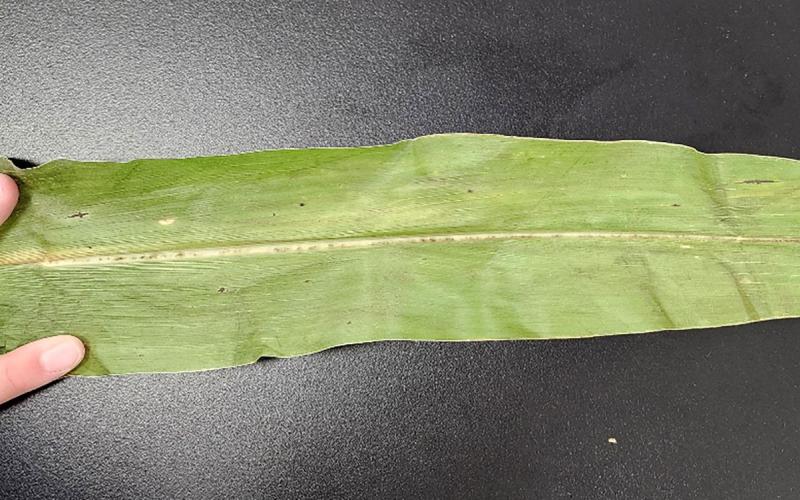
South Dakota Tar Spot Update: September 13, 2024
Tar spot was recently found in Turner, Clay, Union, Yankton, and Bon Homme Counties. Low levels of tar spot do not indicate a need to spray, but they do indicate that fields should be routinely scouted until harvest.
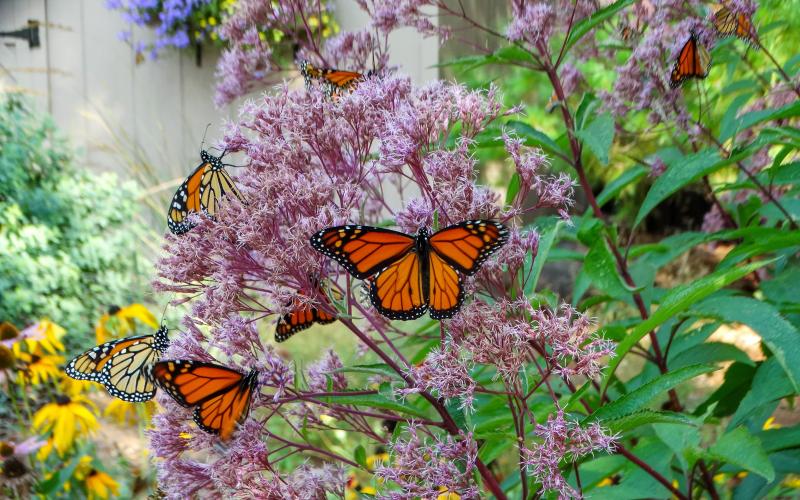
SDSU Extension Master Gardener Club Guidebook
Guidebook for SDSU Extension Master Gardener Clubs
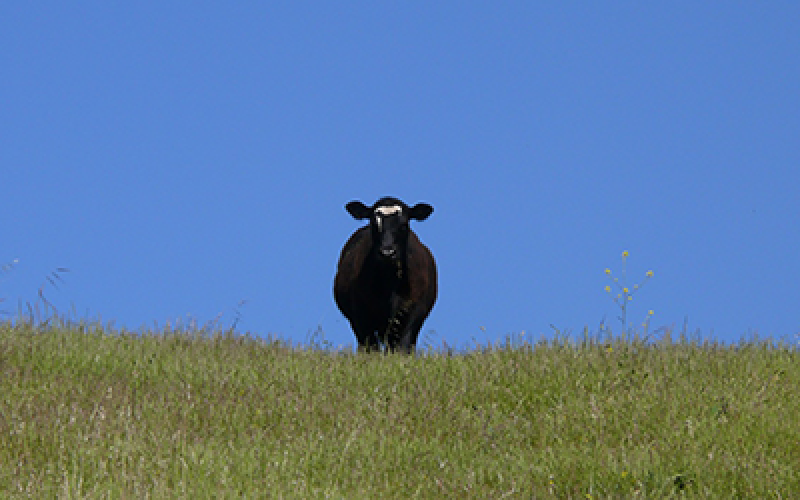
Grazing and Recreation on South Dakota School and Public Lands
Ryan Brunner, Commissioner of State School and Public Lands, shares some excellent information for those interested in understanding more about grazing and hunting on South Dakota school and public lands.
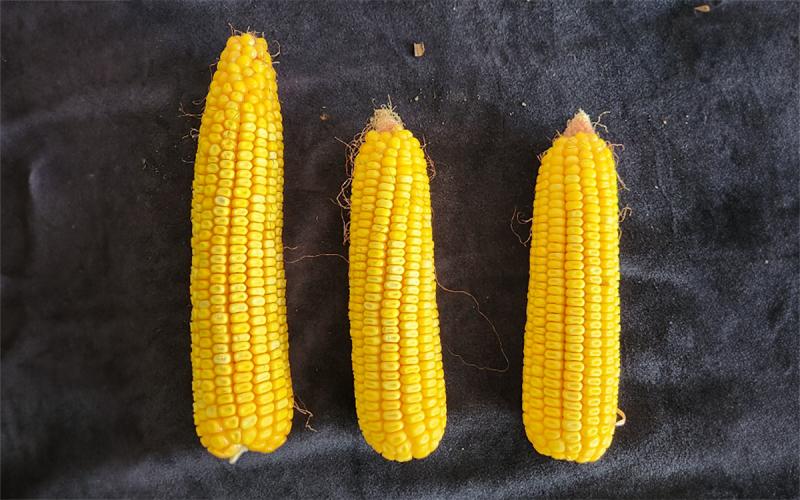
Another Revisitation of Using 2,4-D and Dicamba for Corn Weed Management: Application timing and rates matter
While doing some final weed control ratings this season, ears were pulled from plants in plots treated with 2,4-D, dicamba, and a standard Group 27 herbicide program pre-and-postemergence. Learn what impacts these herbicides had on the ear's size and appearance.