Search
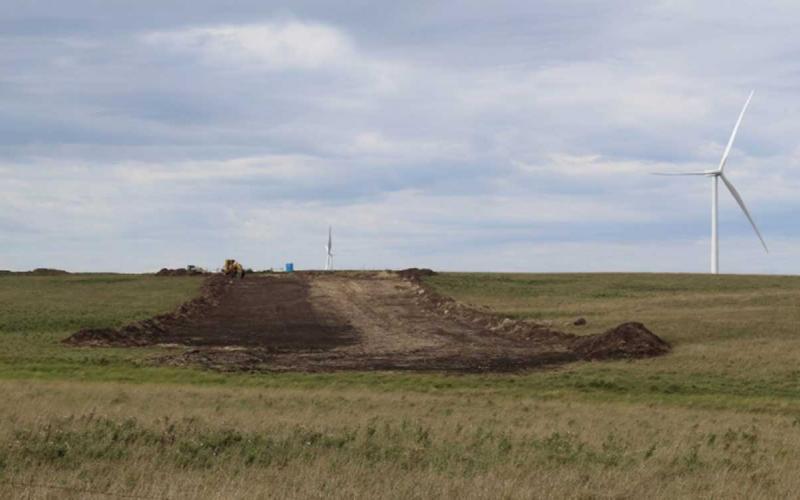
Understanding Contract Language and Restoring Native Grassland Damage after Energy Development
Energy development on private lands can result in locally heavy land manipulation. Of particular concern is the manipulation of native grasslands and other sensitive areas and how it will affect those areas in the short-and-long-term.
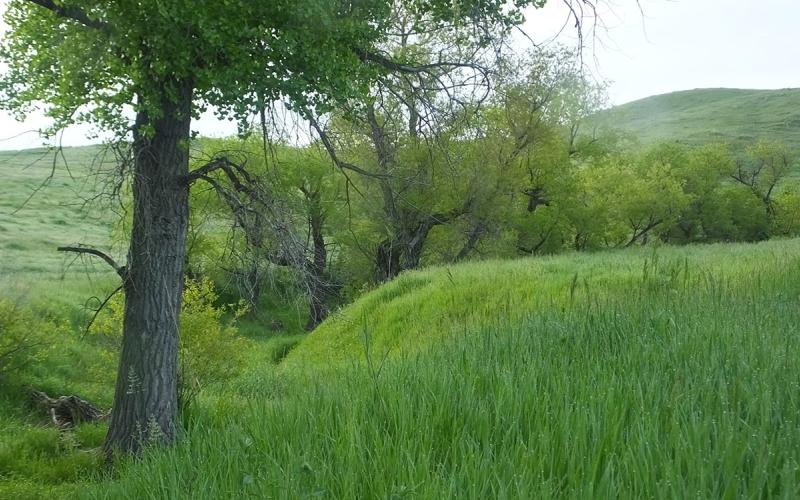
Ranching and Prairie Streams: Riparian Vegetation
Riparian vegetation consists of the collection of plants that thrive along streams, riverbanks, and wetlands. Learn about the many ecological benefits this vegetation provides.
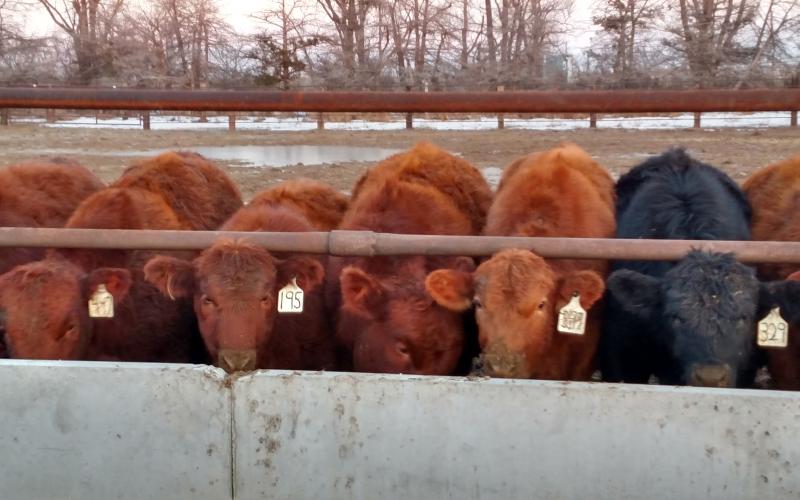
Don’t Let Dry Conditions Take a Toll on Breeding Success
If you feel pastures are not going to provide adequate nutrients to prepare cows for breeding, here are some management strategies that can be done to potentially stimulate estrus, maintain good pregnancy rates, and save some feed resources too.
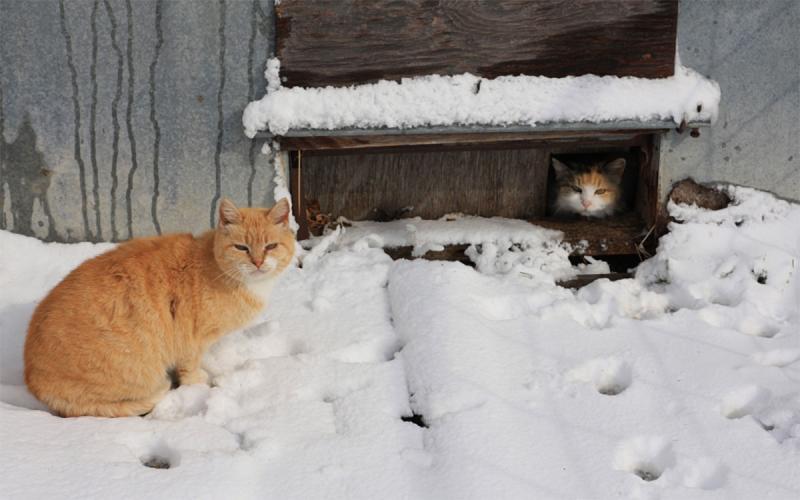
Cat Death Losses Due to Highly Pathogenic Avian Influenza in South Dakota
Veterinarians and laboratory diagnosticians are fielding reports of death losses in cat populations linked to avian influenza infections.

Yellow Sweet Clover: Information and Management
Sweet clover is an opportunistic plant that is going to be abundant in pastures and hay fields when growing conditions are favorable, ideally for two consecutive years. Although it can cause problems, it is valuable to wildlife and pollinators and is a nutritious forage source.
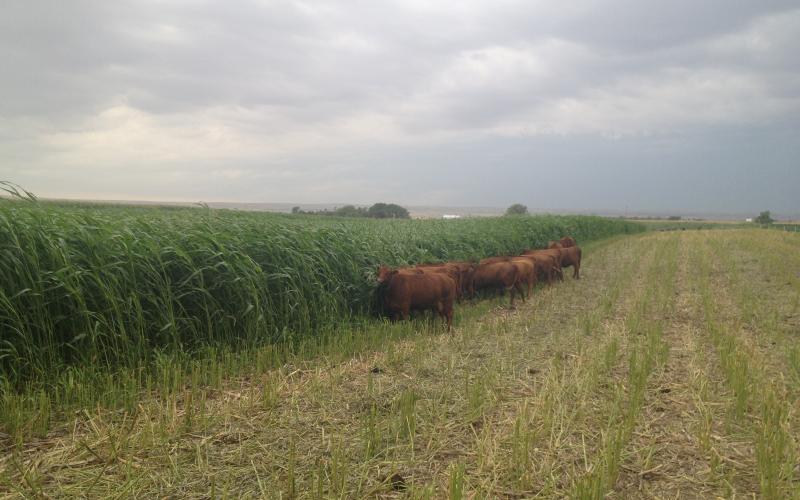
Delayed Planting Challenges: Alternative Forages
With the excessively wet planting conditions much of South Dakota is now experiencing, many producers are looking for “Plan B” to meet forage needs for their livestock, or as a commodity that can be marketed to livestock producers.
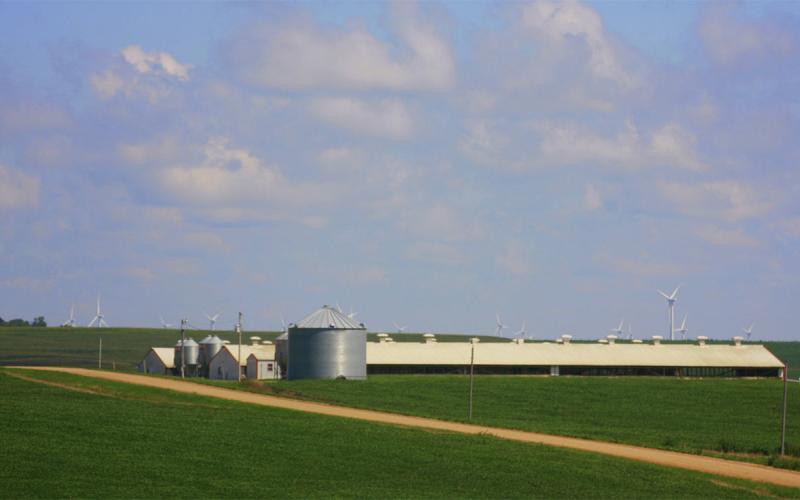
What Is Green About Pig Farming in South Dakota?
From reducing energy waste to state-of-the-art facility designs, learn some of the many ways South Dakota hog producers are working together to reduce their impact on the environment.
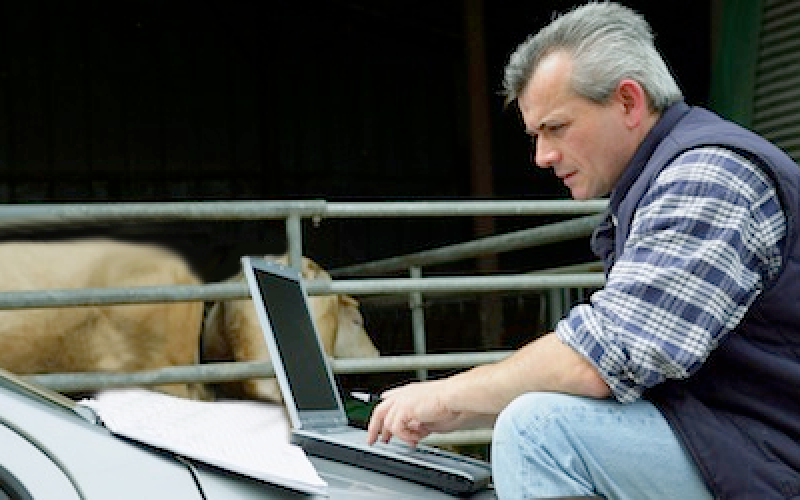
Opportunities for Open Cows
It’s that time of year when driving along the countryside or sitting in the sale barn cows start to show up with an “O” drawn on her side as the Veterinarian called her open on pregnancy check day.
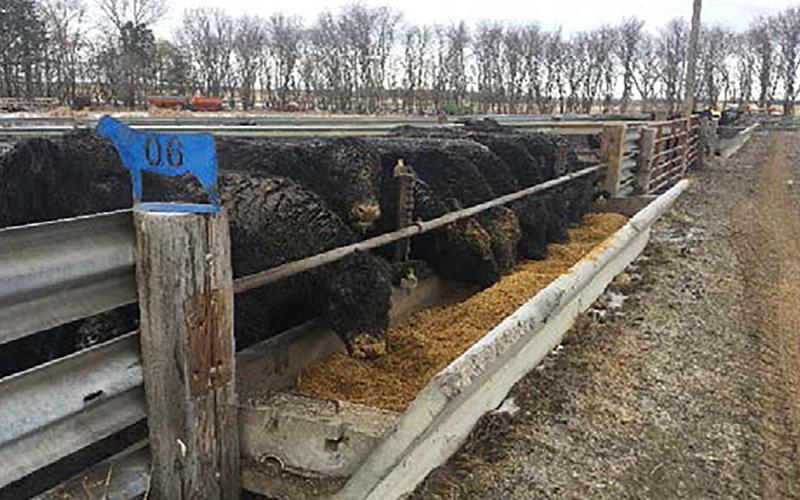
Case Study: Effect of Adding More Concrete to Open Pens
Mud caused by excessive precipitation dramatically reduces cattle performance. Pouring additional concrete and working on improving pen surfaces are approaches that can improve poor-weather performance in an open yard.
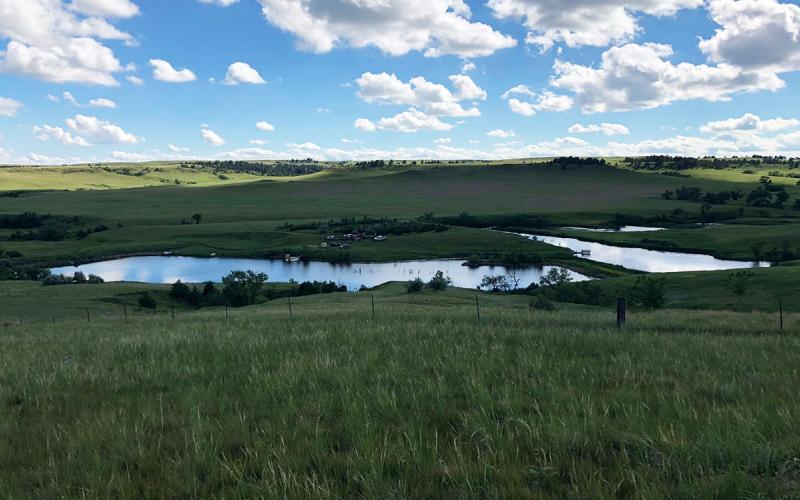
Why Grassland Management?
Grassland management involves more than simply moving livestock from one pasture to the next. Successful grassland managers are educated in grassland health and strive to improve their personal understanding of key grassland components.