Search
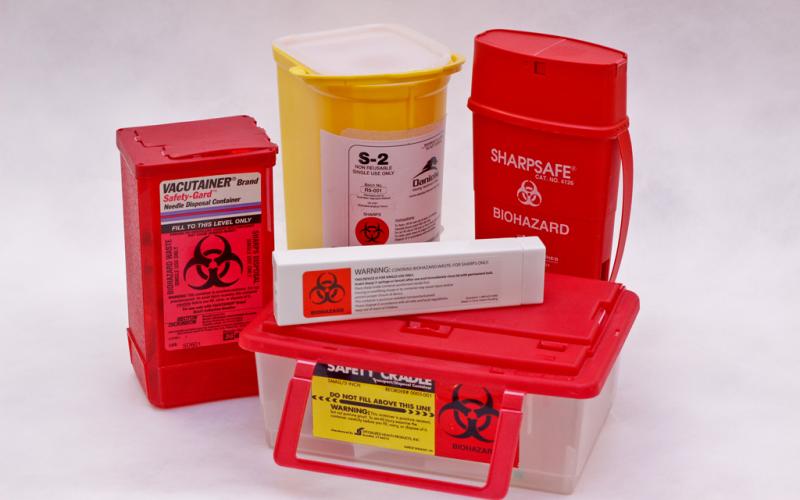
Where Do the Sharps Go?
Sharps used in livestock husbandry practices are considered medical or infectious waste. Regardless of why an animal received a shot, it is important to dispose of the needle in a safe way.
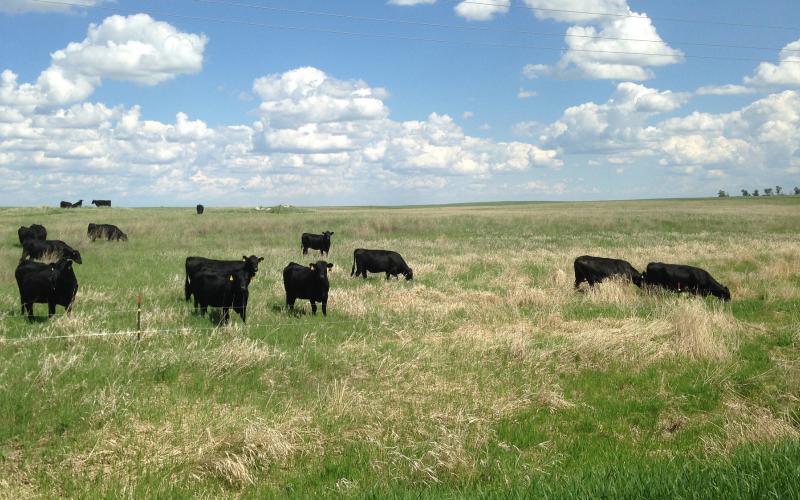
South Dakota Grazing Management Practices: Current & Future
Grazing land occupies 54% of rural land and accounts for a key portion of land use in South Dakota. Many grassland problems can be avoided by using efficient grazing management practices.

Capsicum Oleoresin Fed to Grow-Finish Pigs Improved Carcass Value
Feed additives are low incorporation, non-nutritive, feed ingredients designed to provide benefits in the growth, feed efficiency, and/or feed intake of animals and ultimately lower the cost of production.
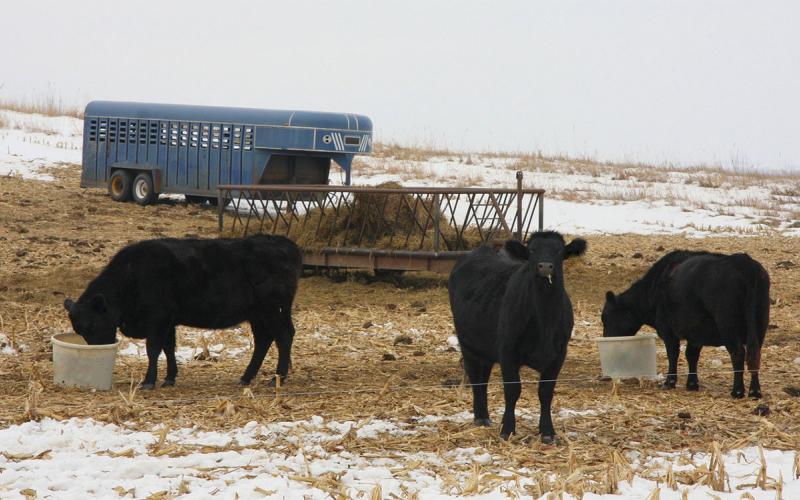
Cold Temperatures Impact Forage Intake
Decreasing temperatures impact the amount of energy required by cattle. Learn some management considerations to reduce the possibility of metabolic disturbance during periods of colder weather.
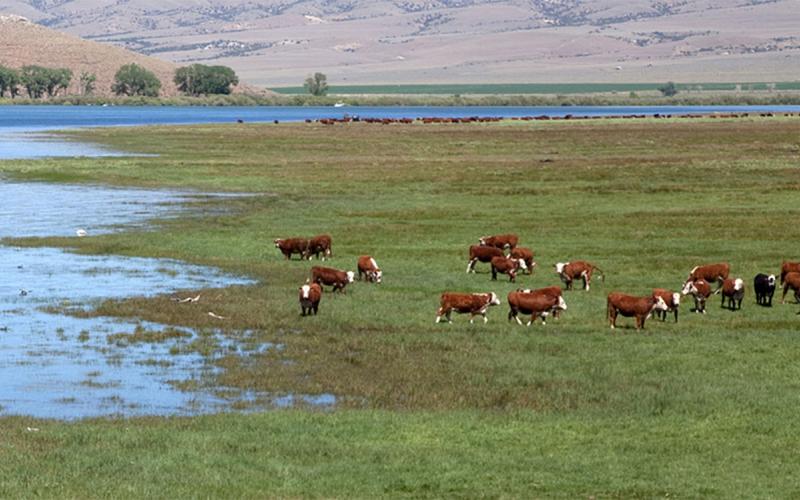
Management of Flood-Damaged Pastures
Receding flood water is just the start of recovering pasture ground following a flood event. Learn some expert tips for thoroughly evaluating damaged pastures before regrazing.
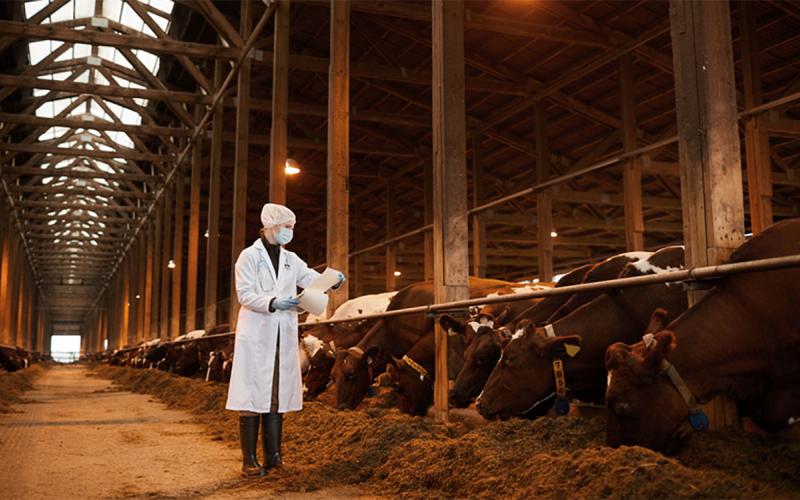
Avian Influenza Viruses in Dairy Cows: What is the role of biosecurity?
The recent finding of an avian influenza virus in dairy cows suffering from a previously unknown disease syndrome has brought attention to disease control and detection methods on dairy operations.
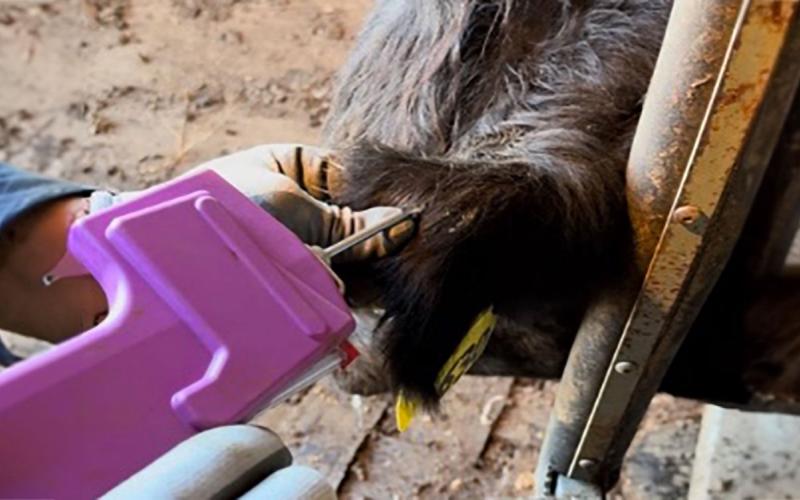
Implanting Nursing Calves
Implanting nursing calves is a cost-effective way to increase weaning weight and improve your financial bottom-line. Learn some expert tips for choosing the right implant for your operation.
A Disaster-Ready Strategy for Cattle Operations
Cattle producers can minimize risk and maximize resilience. Having a written emergency action plan and routine exercise of the plan helps ensure animal welfare and business continuity.
Private Applicator Training for Pesticides
Private applicator certification is required before an agricultural producer can purchase or use a restricted use pesticide.

Testing for E. coli in Raw Meat Products: Basic information for meat processors
While the risk of Shiga-toxigenic Escherichia coli (STEC) should be taken seriously, the incidence of positive STEC tests can be mitigated by proper animal, carcass, and product handling, as well as robust sanitation policies and practices.