Search
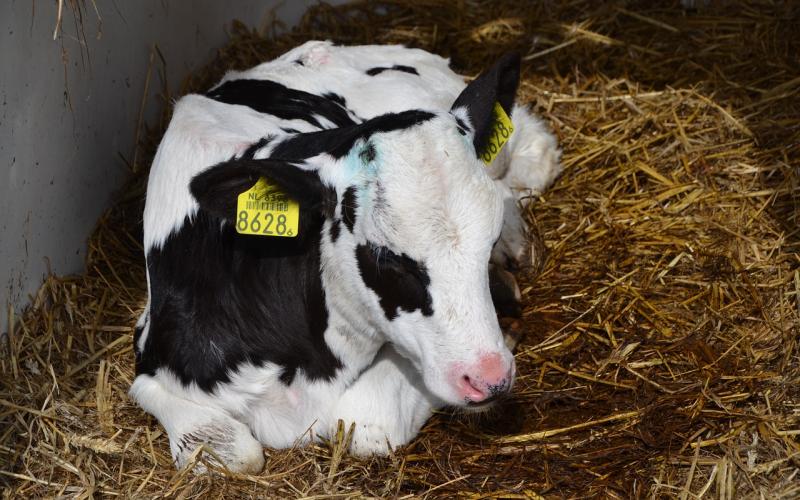
Ringworm: Don’t Let it Ruin Your Show Season
Ringworm is a common problem in animals that can bring a show season to a screeching halt.

Winter Mineral Nutrition for Beef Cows
Winter supplementation often focuses heavily on meeting protein and energy requirements of cows and tends to leave mineral nutrition as almost an afterthought. In reality, meeting all nutrient requirements, including energy, protein, minerals, vitamins, and water are equally important.

Grain Overloads: A Possible Consequence of Cornstalk Grazing
Corn residues are a great source of winter feed, but in certain situations, cattle producers should be aware of the possibility of grain overloads, which can impact herd health.
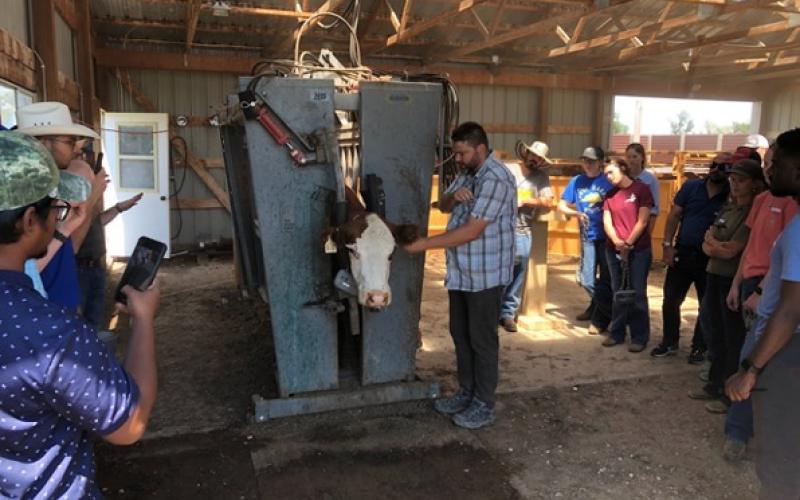
13 participate in first SDSU Extension Precision Livestock Field School
November 01, 2023
South Dakota State University Extension hosted its first Precision Livestock Field School from July 31 to Aug. 2, 2023, at the Cottonwood Field Station near Philip, South Dakota.
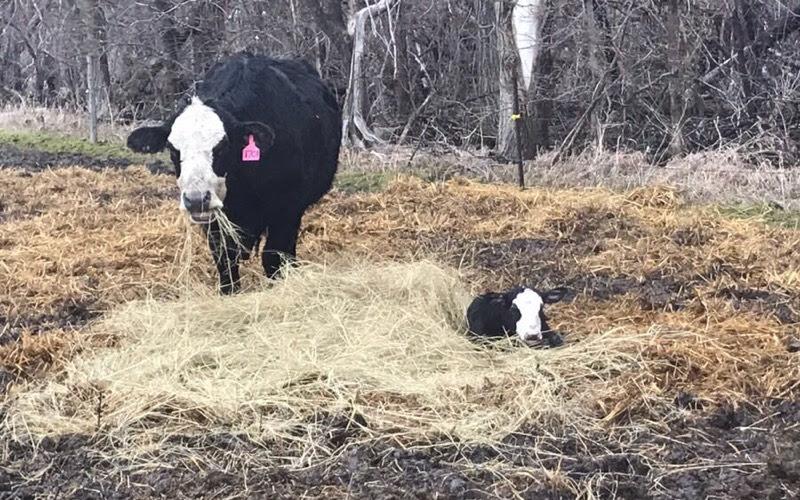
Planning for a Muddy Breeding Season
Early calving spring cow herds have wrapped up calving and are preparing for breeding season. If you are having flashbacks to breeding in the mud of 2018, try approaching this year with an open mind and review breeding season protocols with a “mud” backup plan.
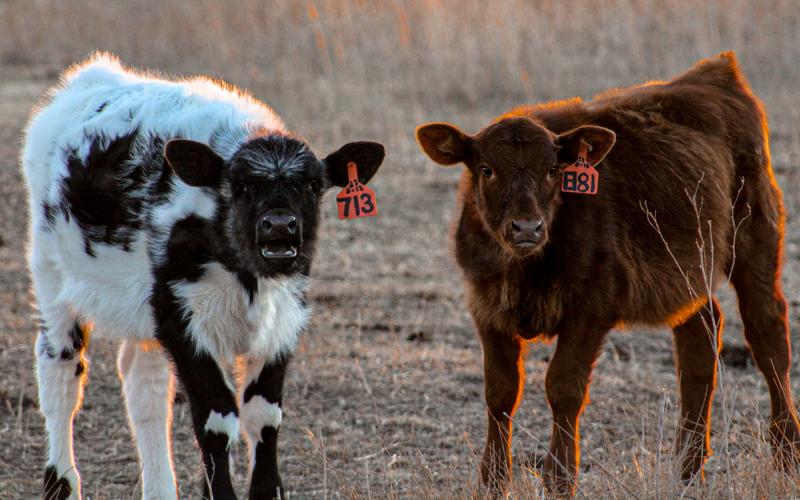
Combatting Drought Conditions With Early Weaning
Producers experiencing drought conditions should consider early weaning to reduce fall grazing pressure and facilitate some pasture recovery before dormancy.
How Does Your Herd Measure Up?
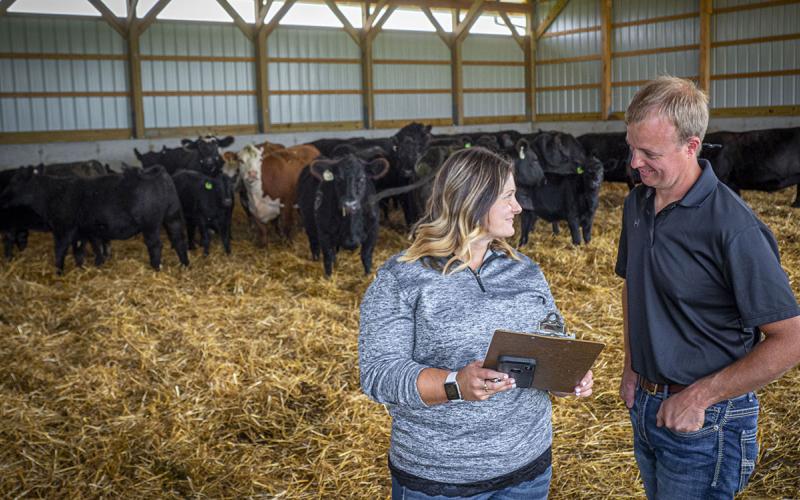
Female herd longevity is important for beef producers. Since foot and udder problems can be genetic, tracking scores can help producers make informed management decisions for herd females.
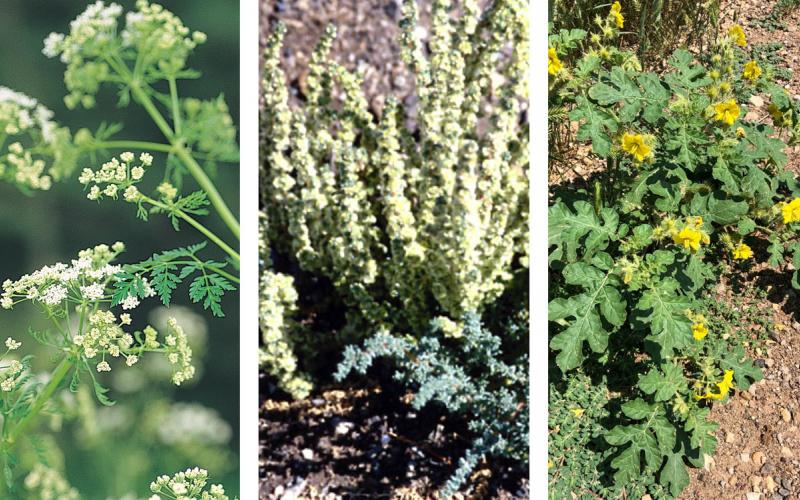
Poisonous Plants on Rangelands: Hemlock, Halogeton and Buffalo Bur
Several species of poisonous plants are invasive and can easily establish dense stands when there is a disturbance on rangelands. Hemlocks, halogeton and buffalo bur can all be found throughout South Dakota and are toxic to livestock.
Rotational Grazing Improves Stocking Capacity and Ranch Profitability
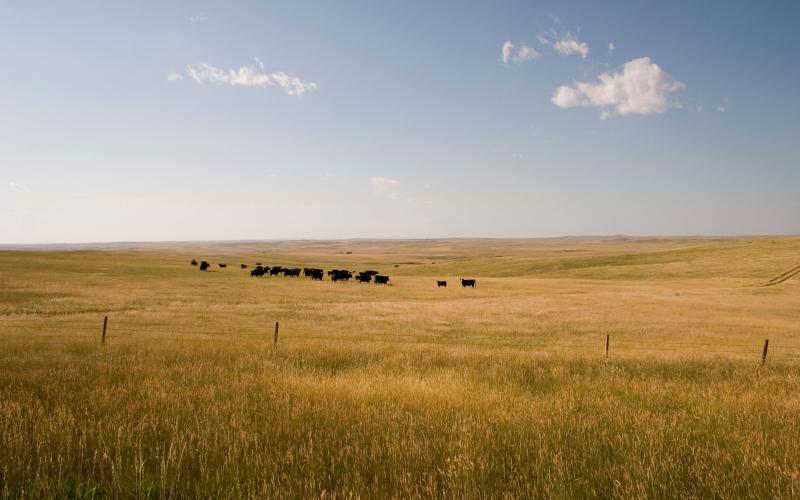
Livestock stocking rate is considered as one of the most important decisions that ranchers can make, as heavy stocking rate causes grassland degradation and adversely impact the sustainable delivery of ecosystem services.
South Dakota Teams Perform Well at National Land, Range & Homesite Judging Contest
June 08, 2022
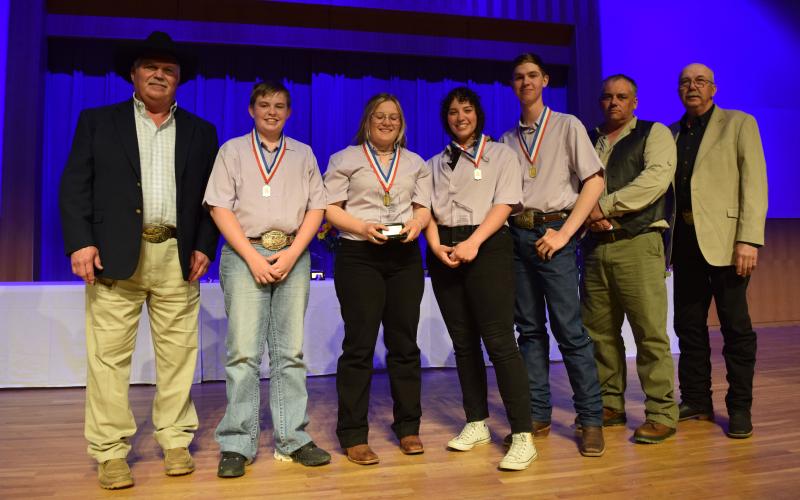
After two years of cancellations, a record attendance of more than 1,000 FFA and 4-H members competed in the National Land, Range, and Homesite Judging contest according to the Oklahoma Association of Conservation Districts, the contest’s main sponsor.