Search
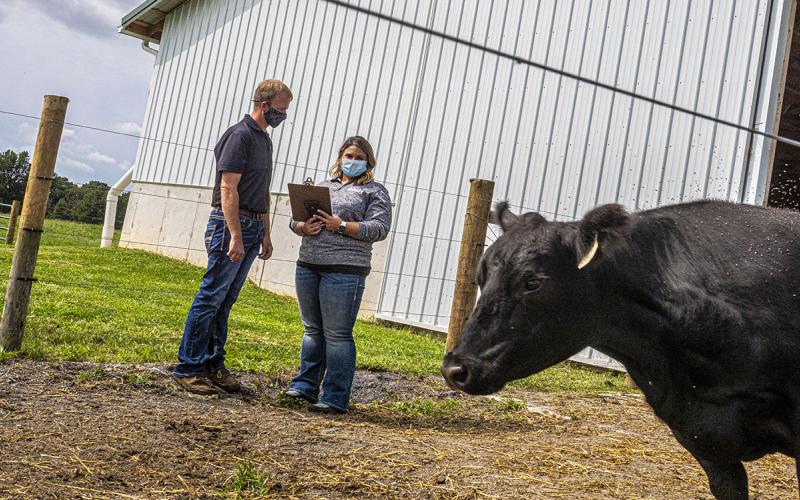
SDSU Extension hosting Beef Quality Assurance training in Wall
July 09, 2024
South Dakota State University Extension will host a Beef Quality Assurance training for anyone involved in raising or handling cattle.
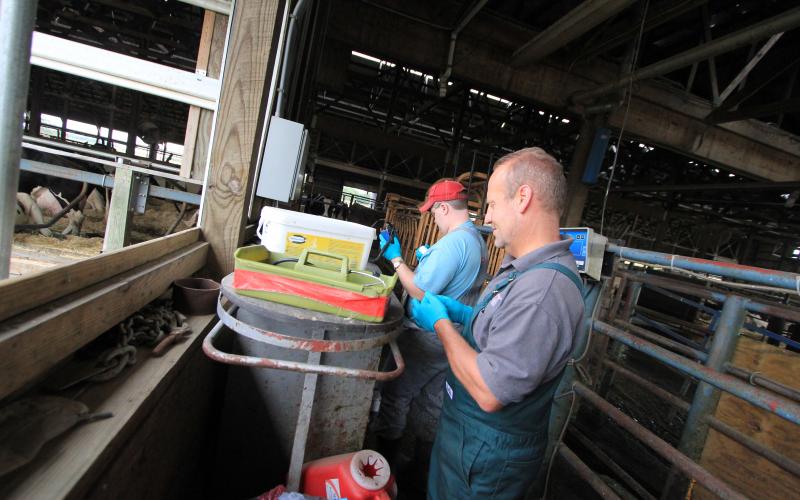
Prevention of Needlestick Injuries in Livestock Production
Within agricultural production a good share of livestock producers perform routine veterinary work themselves. This includes administering vaccinations or treatments for common disease or sickness. A result of performing this type of work there is increased risk for injury do to a needle stick injury.
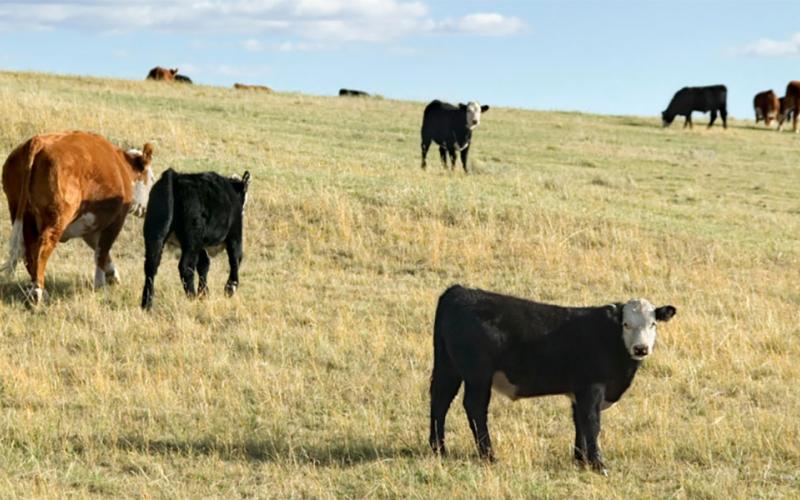
Barriers To Rotational Grazing: Perceptions From Ranchers in the Dakotas
Despite the potential benefits of rotational grazing, its adoption rate has stagnated in recent years. To help understand major barriers faced by producers towards rotational grazing, we conducted a survey among ranchers in the U.S. Great Plains.
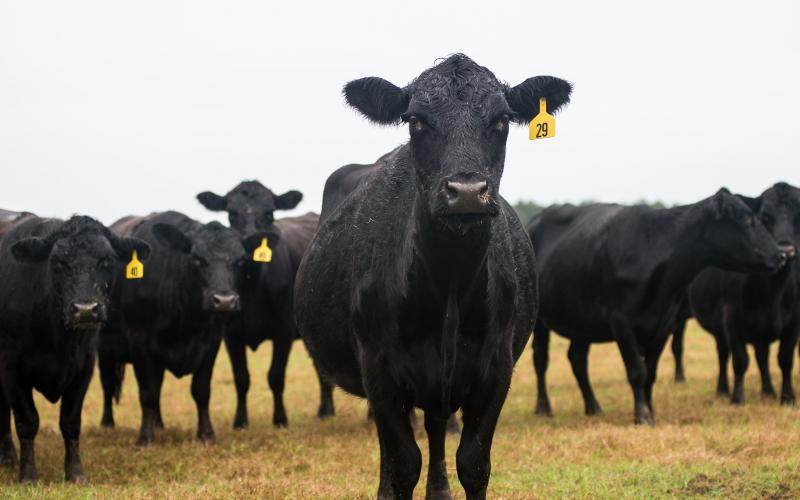
2021 Beef Heifer Synchronization Protocols
With the 2021 Artificial Insemination Beef Sire Directories now available, it is time to think about breeding season, especially if you will be using synchronization.

Incorporating Corn Into Beef Cow Rations Can Save Forage and Feed Expenses
For operations with the right facilities and management ability, replacing forage with corn can stretch forage supplies and potentially reduce feed costs.

Johne’s Disease Testing in Beef Herds: Looking at the Available Tests
Once thought to be a dairy cattle problem, Johne’s Disease is increasingly a topic of conversation for beef seedstock and commercial producers alike. An understanding of the Johne’s Disease testing options available is a good first step in devising a herd health plan.
Minimizing the Neospora Threat by Using Serology in Beef Replacement Heifer Selection
Neospora caninum is one of the lesser-known causes of infectious reproductive failure in beef herds. It’s always possible for herds to encounter new Neospora infections in a given year, but in herds in which it’s already established, using Neospora serology can be one consideration in choosing replacement heifers.
Trichomoniasis: A Tricky Cause of Reproductive Failure in Beef Cattle
Trichomoniasis in cattle is caused by a protozoal organism that lives indefinitely in the sheath of infected bulls. Once transmitted to a cow or heifer, it causes an inflammation in the female reproductive tract that results in the eventual loss of the pregnancy.
Heat Stress in Feedlot Cattle
High temperatures, humidity and low air movement create the perfect storm for heat stress in feedlots. Learn some expert tips for maintaining performance and reducing losses as we approach the hottest months of the year.
Equation of Reproductive Efficiency
The key factors to reproductive success in beef cattle are proper management, nutrition, health, and selection, while reproductive technologies can enhance management if the previous factors are in sync.