Search
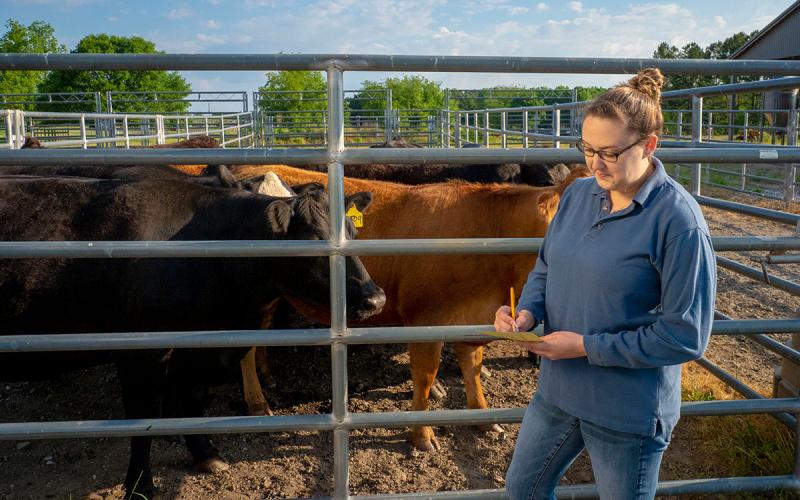
Receiving Management Matters
There are multiple factors that influence cattle help during transportation and receiving. Proper management during these events can avoid negative implications to health and performance.
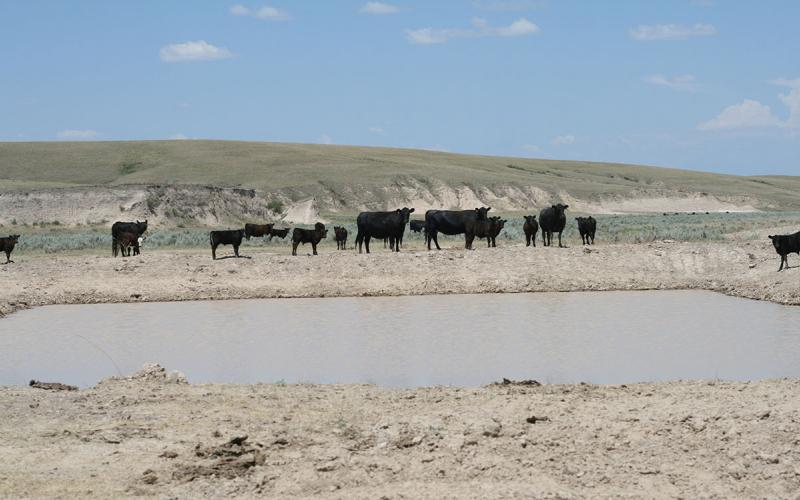
Drought Planning
A drought plan will be an essential component to your overall grazing plan, as it provides guidance in making decisions during critical times when forage may be lacking.
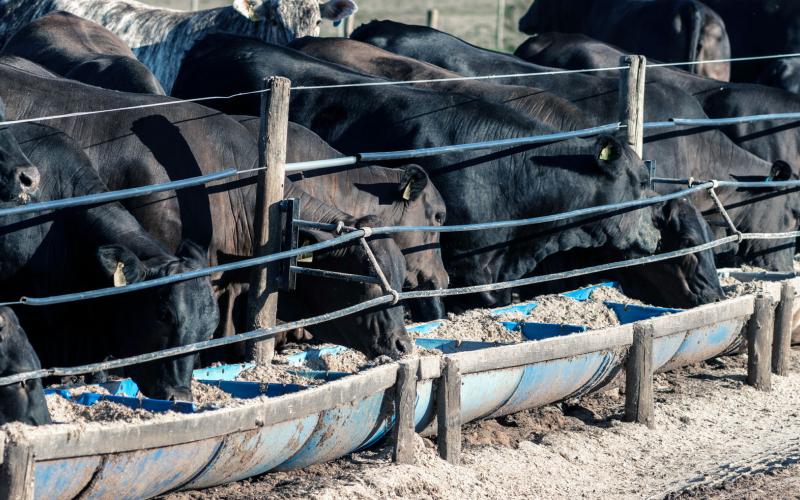
Cull Cow Management and Marketing Opportunities
No matter the reason for culling, it is important to evaluate the opportunity to add value to cull cows at marketing, as they make up a significant portion of annual ranch income.

Building and Retaining a Skilled Agricultural Workforce: Challenges and Strategies
Building a strong, motivated workforce is essential to the future of agriculture. A team from SDSU Extension is exploring the challenges and opportunities facing our agricultural community.
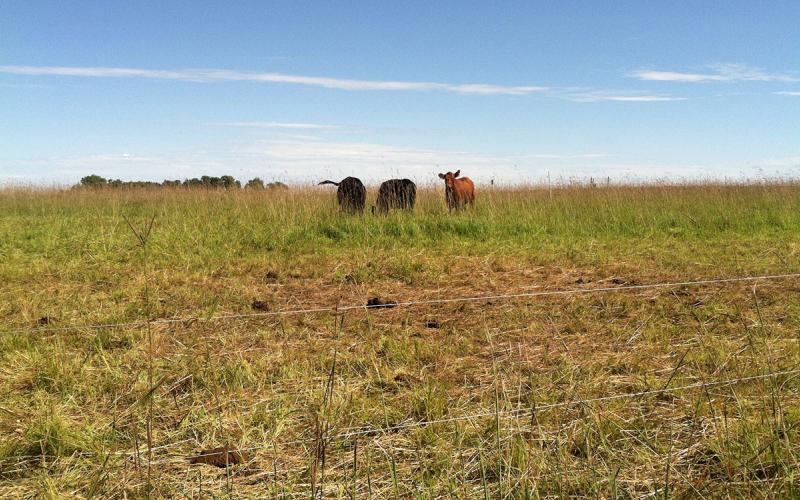
Connecting Nutrition and Conservation: The Importance of CPS 592
Conservation Practice Standard (CPS) 592 is a practical feed management framework that helps producers move toward greater profitability, accountability, and sustainability without sacrificing performance.
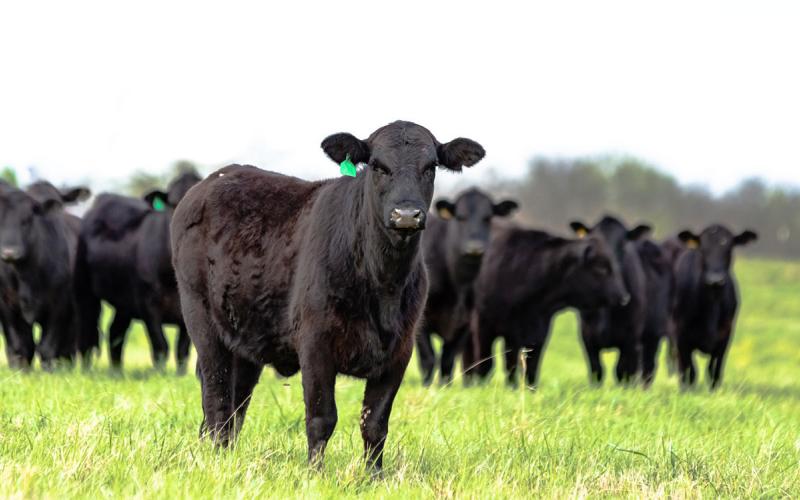
Can Early Weaning Benefit First-Calf Heifers?
First-calf heifers pose specific challenges for cattle producers. Learn how strategic weaning decisions can impact the performance and profitability of this challenging group.
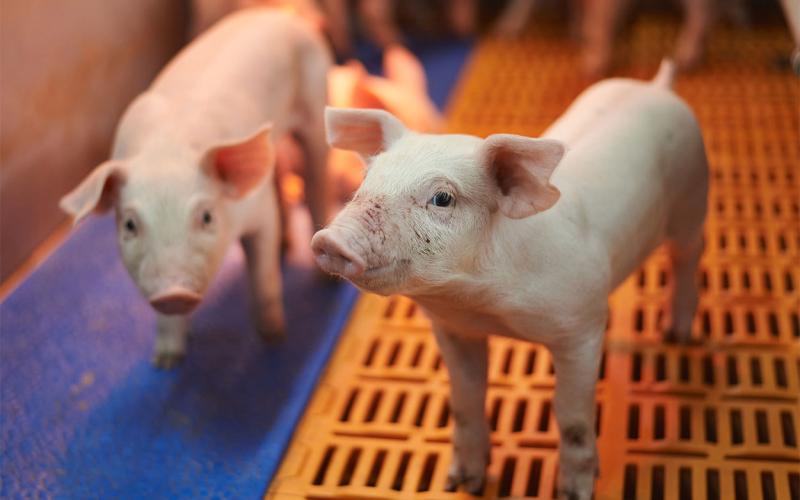
Nursery Pig Management
Piglet transitions from the farrowing room to the nursery or wean-to-finish barn are important foundational steps towards producing full-market value finisher pigs.
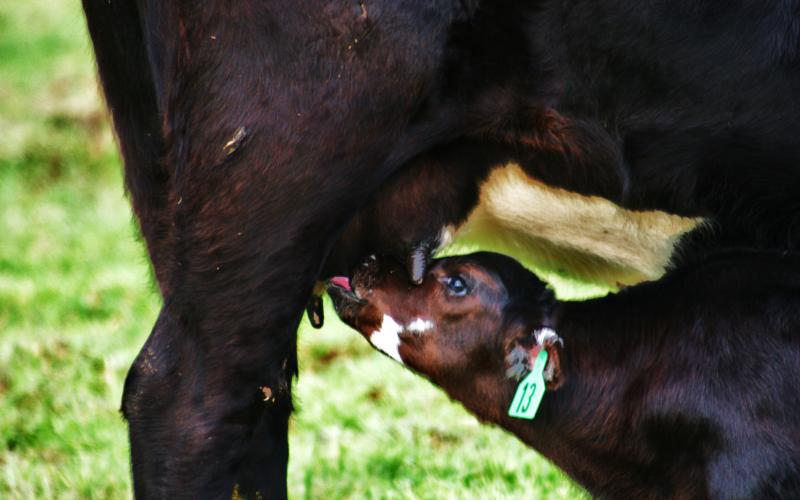
The Suckling Effect
As soon as the calf hits the ground, the reproductive clock of the cow starts to tick. In order to maintain the annual production cycle of the cowherd, cows and heifers must overcome postpartum anestrus within 83 days of calving.
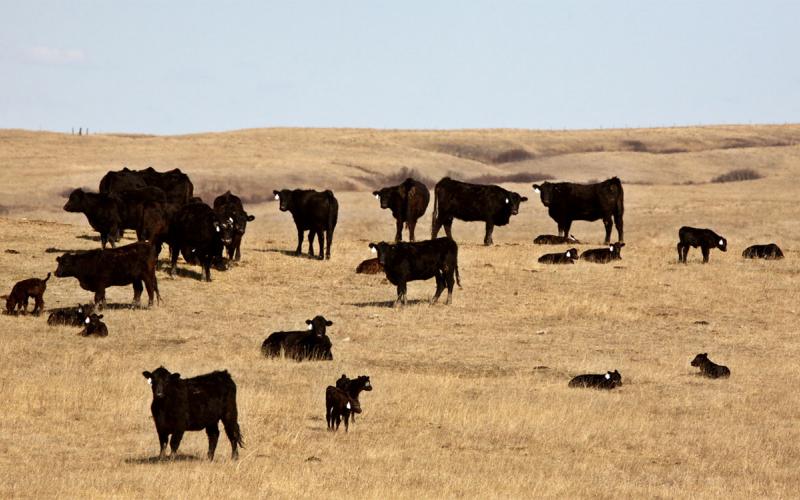
Selecting a Calving Season Based on Matching Nutritional Needs and Resources
Choosing the calving season is a complex and highly individual decision for each beef cattle producer. A primary consideration in pasture-based cow-calf operations is choosing a calving season that will best match the forage supply to forage demand.

The Impact of Mature Cow Size on Profitability in Cow-Calf Operations
The mature weight of the U.S. cow herd has steadily increased over time. While larger cows are often perceived as more productive, this trend brings several economic challenges.