Search
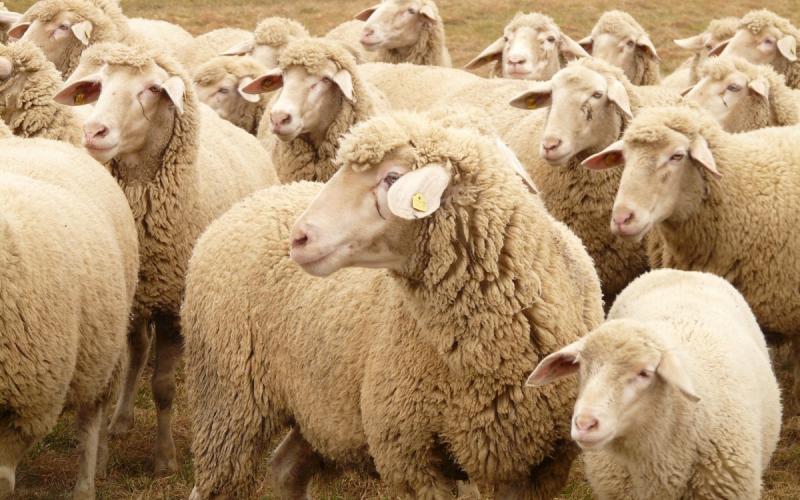
Use of the EAZI-BREED Sheep CIDR in Spring Mated Ewes
Efforts to manage the reproductive cycle of the ewe have been a focus of producers and researchers for decades. By nature sheep are seasonal breeders with active ewe estrus cycles expected from late-August until January in the Upper Midwest and in a state of anestrous (non-cyclic) for the other months. Recently a commercial progesterone intra-vaginal device, the EAZI-BREED sheep CIDR (controlled internal drug release) was approved in the US to synchronize estrus in mature ewes during the anestrous period.

SDSU Extension welcomes new livestock field specialist
April 30, 2024
South Dakota State University Extension is pleased to welcome Addie Womack as a new Livestock Production and Stewardship Field Specialist.
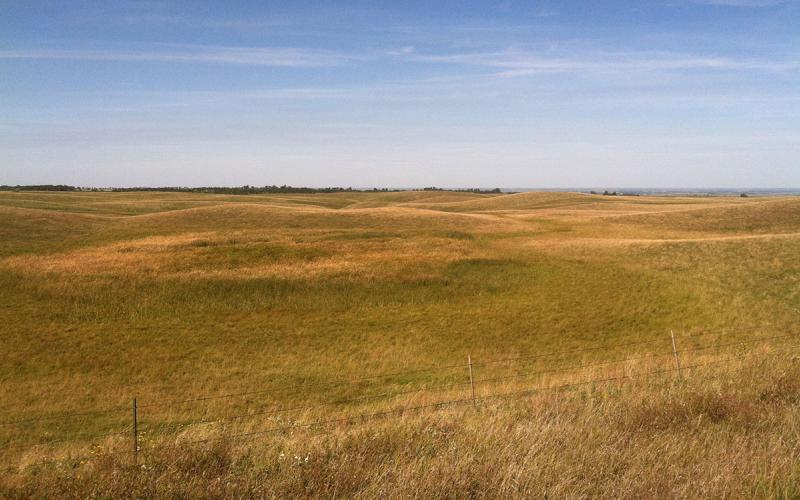
Grassland Management Do’s and Don’ts
This article is intended to address the variety of questions we receive related to establishing, re-establishing and maintaining grass-based plantings for grazing, hay, wildlife and recreation.
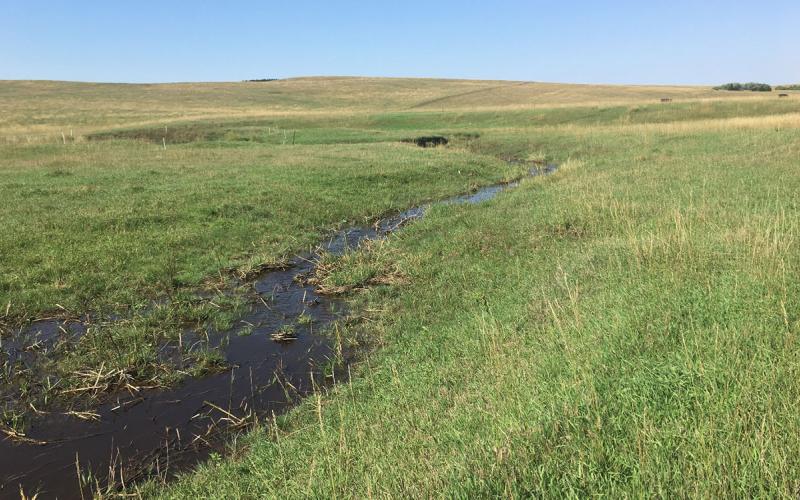
Fall Grazing: A Cautionary Tale
It is very tempting to graze new, green cool-season grasses when pastures are dry most of the summer. However, caution should be taken to not overgraze this green-up.

Factors That Influence Plant Development and Growth
Year-to-year variability in climate can result in large swings in annual forage production for livestock producers. Learn some key considerations to observing and mitigating the effects of this variability.
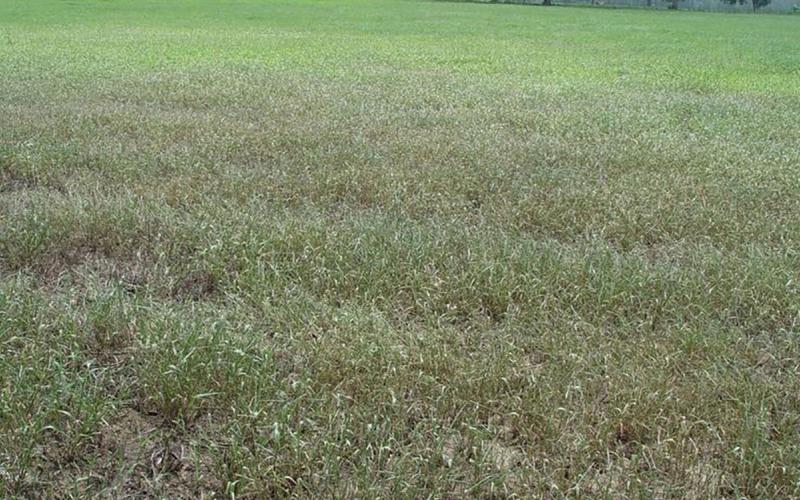
Fall Armyworm Caterpillars Causing Issues in South Dakota
This week we started to receive reports of pastures and alfalfa stands that have been heavily fed on by fall armyworm caterpillars. Typically, these pests are not an issue in South Dakota. However, populations have been very large in many states during 2021, and they have now moved into South Dakota.

Hormones in Beef: Myths vs. Facts
Confusion and concern often surround the use of hormones in beef production. It's important to understand that hormones are naturally occurring in cattle, and if they were eliminated completely, the animal could not survive.
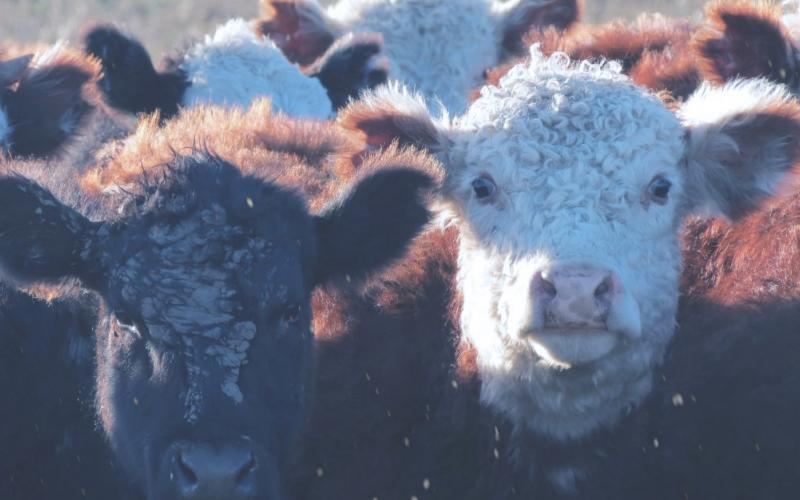
Does Cold Weather Contribute to Pneumonia in Calves?
Prolonged winter cold has some fairly obvious effects on cattle of all ages.
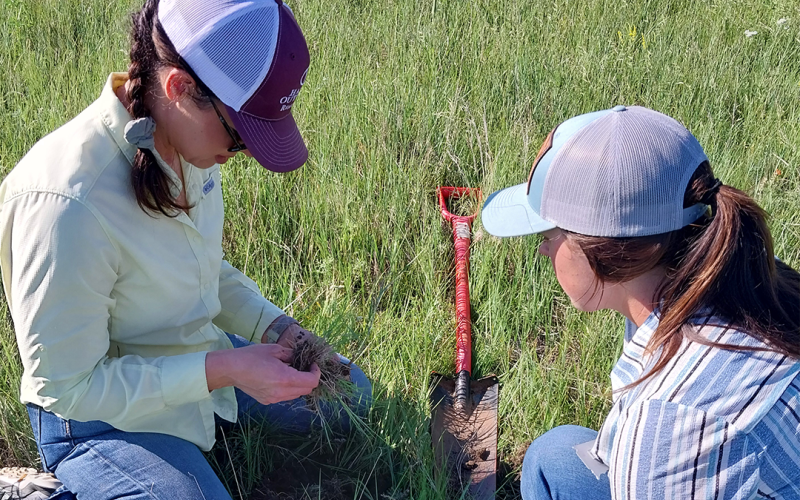
Save the date for SDSU Extension Women on the Range grazing workshop July 22-24
May 20, 2025
Women in agriculture are invited to attend the 2025 South Dakota State University Extension Women on the Range Grazing Workshop on July 22–24 at Wedge Tent Ranch near Faith.
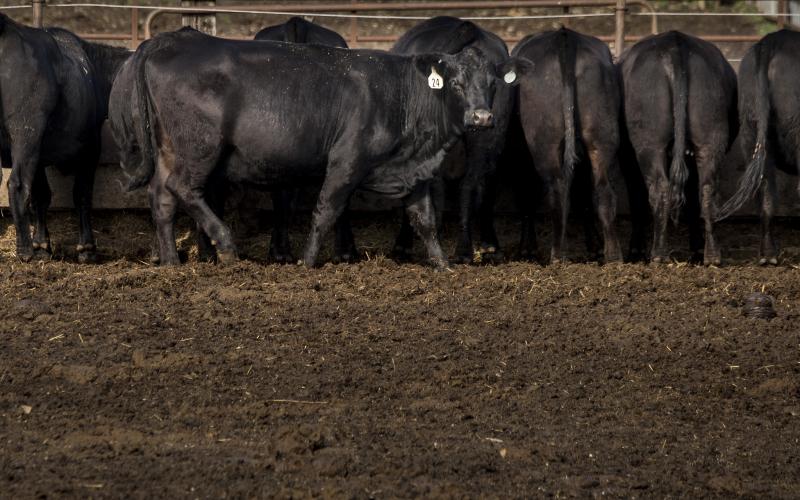
Do Temperament and Breed Type Play a Role in Feeding Efficiency and Carcass Quality?
Is there a relationship between temperament and profitability in cattle? A recent study conducted by Texas A&M University took a closer look at the impacts that temperament and breed types can have on feedlot growth performance, feed efficiency, feeding behavior, carcass characteristics, and value in finishing beef heifers.